
Trapped in the Cycle: Mental Health and Addiction Among Oil Sands Workers

Alberta’s oil sands are a symbol of economic prosperity, drawing thousands of workers from across Canada with the promise of high wages and steady employment. But beneath the surface of success lies a mounting crisis. For many oil sands workers, the harsh reality of isolation, long hours, and emotional stress has created a vicious cycle of mental health challenges and addiction. Trapped between demanding work conditions and limited access to support, workers are increasingly struggling in silence.

The Pressure-Cooker Environment

Life in the oil sands is physically and mentally demanding. Workers often endure 12-hour shifts for several consecutive days, living in remote camps far removed from family, community, and support networks. The isolation of these camps—combined with the repetitive nature of the work and harsh environmental conditions—creates an atmosphere where mental health can quickly deteriorate.

Workers are under constant pressure to perform in safety-sensitive environments where mistakes can be deadly. This ongoing stress, compounded by job insecurity during economic downturns, takes a heavy toll. For many, symptoms of anxiety, depression, and burnout become part of everyday life.

Turning to Substances for Relief

In the absence of meaningful mental health resources, many workers turn to substances as a way to cope. Alcohol, opioids, methamphetamine, and cocaine are commonly used, often starting recreationally but evolving into dependency. Stimulants help workers stay awake and push through exhaustion, while depressants provide temporary relief from stress and emotional pain.

The use of substances may seem like a personal choice, but it is often a symptom of deeper systemic problems. Without healthy outlets for stress and without accessible support, many workers see no other option. Over time, addiction becomes another part of the cycle—masking deeper mental health struggles but never solving them.

The Consequences Are Widespread

The impact of mental health issues and addiction among oil sands workers extends far beyond the job site. Workplace accidents, absenteeism, and declining productivity affect the entire industry. Meanwhile, workers’ families suffer emotionally and financially, as addiction and mental illness strain relationships and destabilize home life.

Communities surrounding the oil sands, such as Fort McMurray, have seen the social effects as well—rising rates of addiction, overdose, crime, and homelessness. Emergency services and healthcare providers in these regions are often stretched thin, struggling to meet the growing demand for mental health and addiction support.

Breaking the Cycle

To break this dangerous cycle, action must be taken at every level. Employers must recognize mental health as a workplace priority, offering resources such as on-site counseling, peer support programs, and training to identify early signs of distress. Shifting the workplace culture to one that encourages openness rather than silence is critical.

Governments and health authorities must also increase investment in mental health and addiction services in northern and remote regions. Expanded treatment access, telehealth options, and community outreach are essential to supporting workers who need help but face geographical and logistical barriers.

Conclusion

Oil sands workers power a significant part of Canada’s economy, but too many are trapped in a cycle of stress, isolation, and addiction. It’s time to break that cycle—not just with policy changes and programs, but with compassion and commitment to worker well-being. Only then can we create a truly sustainable industry—one where both productivity and people thrive.

Behind the Paycheck: How Isolation and Stress Fuel Addiction in the Oil Sands

Alberta’s oil sands have long been associated with economic opportunity and high-paying jobs. For thousands of workers, employment in the oil sands promises financial security, with salaries often exceeding six figures. However, behind the lucrative paychecks lies a harsh reality: long hours, physical exhaustion, and deep isolation. These conditions have contributed to a growing mental health and addiction crisis that quietly grips many in the industry.

The Isolated Life of Oil Sands Workers

Oil sands work is not your typical nine-to-five job. Workers often spend weeks at a time living in remote camps, far from family, friends, and the comforts of home. These camps are typically located hundreds of kilometers from the nearest city, surrounded by wilderness and industrial equipment. While some camps offer basic recreational amenities, many workers describe life there as monotonous, lonely, and mentally draining.

The rotational schedules—commonly 14 days on, 7 days off—create further distance from normal life. Workers are away during birthdays, anniversaries, and family events. Over time, this separation from loved ones and everyday social interaction fosters feelings of isolation and detachment, which can lead to depression and anxiety.

Stress and Substance Abuse: A Dangerous Mix

The oil sands industry is physically demanding and mentally taxing. Employees operate heavy machinery, work in extreme weather conditions, and face the constant pressure of meeting production quotas. Fatigue, stress, and the fear of layoffs during economic downturns add layers of emotional strain.

For many workers, substances become a way to cope with these challenges. Stimulants like cocaine and methamphetamine are used to stay alert during long shifts, while alcohol, cannabis, and opioids help workers unwind after work. What starts as recreational use can quickly spiral into addiction, especially when combined with chronic stress and limited access to mental health support.

The Hidden Costs of Addiction

Addiction in the oil sands affects more than just the individual worker. Substance abuse can lead to workplace accidents, decreased productivity, and strained relationships both on the job and at home. In safety-sensitive environments, impairment is particularly dangerous, increasing the risk of injuries and fatalities.

Families also bear the emotional and financial burdens of a loved one’s addiction. Marriages suffer, children grow up without consistent parental presence, and home life becomes unstable. Additionally, local communities near oil sands sites have seen increases in crime, homelessness, and overdose deaths related to substance abuse.

Toward a Healthier Industry

Addressing the mental health and addiction crisis in the oil sands requires a cultural shift. Employers must prioritize worker wellness, offering confidential access to counseling, addiction support, and mental health resources. Work camps should provide more recreational and social activities to combat isolation, along with education programs that reduce the stigma surrounding mental health.

Governments and healthcare providers must also play a role by expanding treatment options in Northern Alberta and improving access to telehealth services for workers in remote locations.

Conclusion

The paychecks from the oil sands may be large, but the human costs are often hidden. Isolation, stress, and addiction have created a crisis that cannot be ignored. By recognizing the problem and taking action, Alberta’s oil sands industry can work toward a future where workers thrive—not just financially, but mentally and emotionally as well.

Breaking the Cycle: Addressing Substance Abuse in Alberta’s Resource Economy

Alberta’s resource-based economy—driven largely by oil, gas, and mining—has been a cornerstone of Canadian prosperity for decades. It has created jobs, built communities, and powered national growth. But beneath the surface of this success lies a troubling and persistent issue: substance abuse among workers in the resource sector. For many, the economic cycle of boom and bust is mirrored by a personal cycle of stress, addiction, and relapse. Addressing this crisis is no longer optional—it is essential to the health of both workers and the economy itself.

The Highs and Lows of Resource Work

Resource jobs in Alberta often come with high wages, but they also bring intense physical demands, long hours, and remote work environments. Workers frequently spend weeks away from home, living in camps with limited social interaction and access to support systems. This isolation, combined with job-related stress and fatigue, can create a breeding ground for mental health issues and substance abuse.

During boom periods, when work is plentiful and money is flowing, many workers turn to drugs and alcohol to celebrate, relieve stress, or stay awake through exhausting shifts. When the industry slows down—due to market fluctuations, layoffs, or global crises like COVID-19—the uncertainty and financial strain only worsen the situation, often leading to increased substance use.

A Widespread Crisis

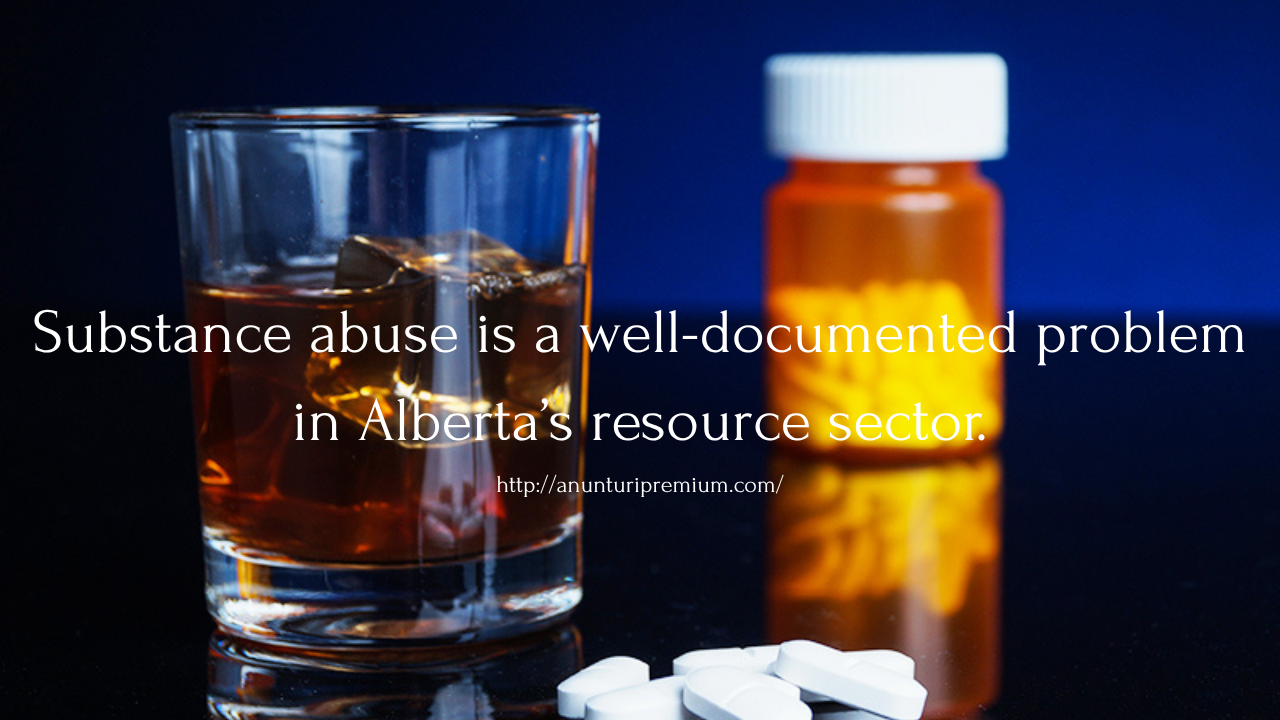
Substance abuse is a well-documented problem in Alberta’s resource sector. Studies and local reports consistently show higher rates of alcohol and drug use among oil and gas workers compared to national averages. Methamphetamine, cocaine, opioids, and alcohol are commonly used—either to enhance performance or to escape the physical and emotional toll of the job.

The consequences are far-reaching. Substance abuse contributes to workplace accidents, absenteeism, declining productivity, and higher turnover rates. It also places enormous pressure on healthcare systems, emergency services, and families. Communities like Fort McMurray, Grande Prairie, and Cold Lake have witnessed spikes in addiction-related incidents, overdoses, and mental health crises.

Breaking the Cycle

Addressing substance abuse in Alberta’s resource economy requires a proactive, multi-layered strategy. First, industry leaders must recognize that addiction is not a personal failing—it is a health issue rooted in working conditions, culture, and access to support. That means implementing mental health initiatives, peer support networks, and confidential addiction treatment programs.

Second, governments must increase funding for addiction services in resource-based regions, ensuring workers can access help when they need it. Mobile outreach units, harm reduction services, and telehealth counseling can help bridge the gap for those in remote or isolated areas.

Finally, breaking the cycle requires a cultural shift. We must challenge the stigma around addiction and mental health in male-dominated, high-pressure industries. Open dialogue, education, and leadership by example can create a safer, healthier environment for workers.

Conclusion

Substance abuse in Alberta’s resource economy is more than an individual struggle—it’s a systemic issue tied to the structure and stress of the industry itself. By investing in support, compassion, and lasting change, we can break the cycle and build a more resilient workforce. The future of Alberta’s economy depends not only on what we extract from the ground, but on how we care for the people who make it possible.