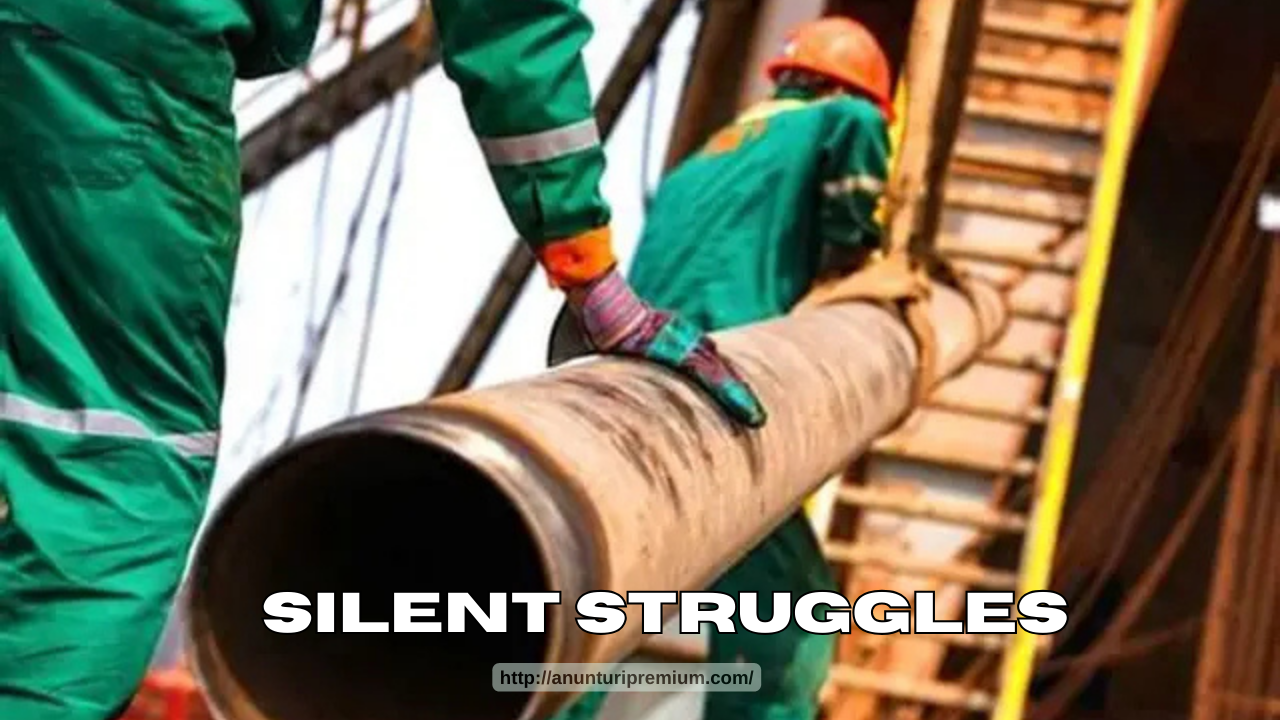
Silent Struggles: Why Oil Sands Workers Turn to Drugs and Alcohol

The oil sands of Alberta are often portrayed as a land of opportunity, where hard work leads to financial stability and prosperity. Yet behind the promise of high wages and steady employment lies a hidden reality. Many workers in the oil sands silently battle overwhelming stress, loneliness, and exhaustion. For some, the pressure becomes unbearable, leading them to turn to drugs or alcohol as a way to cope. This growing issue highlights not just a workplace concern but a pressing public health crisis that demands compassionate solutions.

The Hidden Burden of Isolation

Life in the oil sands often means weeks spent in remote camps, far removed from family, friends, and community. The rotational schedules, typically long stretches of work followed by brief periods of rest, can make it difficult for workers to maintain meaningful relationships or establish balance in their personal lives.

Isolation creates fertile ground for emotional strain. Without strong social support, workers may experience loneliness, depression, and anxiety. In these conditions, drugs and alcohol can feel like an immediate, although destructive, escape from the emptiness of camp life.

Stress and Fatigue: Fuel for Substance Use

The oil sands industry is physically and mentally demanding. Workers endure long hours of labor-intensive tasks, often in harsh climates where safety risks are high. The constant fatigue and pressure to perform at peak levels can lead individuals to seek quick relief.

Substances like alcohol or stimulants become tempting outlets. Alcohol may provide a way to unwind after an exhausting shift, while stimulants can mask fatigue during long hours. However, these short-term solutions quickly spiral into dependency, leaving workers caught in a cycle that threatens both their health and livelihood.

The Stigma of Seeking Help

One of the greatest barriers to addressing addiction in the oil sands is stigma. Many workers fear being judged, misunderstood, or even losing their jobs if they admit to struggling with substance use. This silence allows addiction to take root, often progressing to dangerous levels before help is sought.

Breaking this stigma is essential. Conversations about mental health and addiction must be normalized in the workplace and beyond. When workers know they are not alone and that support is available, they are more likely to seek help early.

Pathways to Healing and Recovery

At Anunturi Premium, the approach to recovery is built on compassion and individualized care. Every person’s struggle is unique, which is why treatment is tailored to address both the physical and emotional aspects of addiction. Services include:

  • Inpatient care for those who need structured, intensive support.
  • Outpatient programs that allow individuals to continue working while receiving treatment.
  • Holistic therapies that nurture body, mind, and spirit through practices like mindfulness, nutrition, and fitness.
  • Faith-based care for those seeking deeper spiritual healing.

This comprehensive model not only helps workers overcome substance use but also equips them with healthy coping strategies for stress, isolation, and fatigue.

Choosing a Better Path

The struggles faced by oil sands workers are real and deeply human. Turning to drugs or alcohol may feel like the only option in the moment, but lasting recovery is possible. With the right support, workers can reclaim their health, rebuild their relationships, and find new ways to manage the pressures of life in the oil sands.

If you or someone you love is struggling in silence, now is the time to take the first step. Reach out to Anunturi Premium for compassionate, personalized care and begin the journey toward healing and hope.
The Human Toll of the Oil Sands: Addiction, Anxiety, and the Price of Prosperity

Alberta’s oil sands are often celebrated for their economic contributions and high-paying employment opportunities. Yet beneath the surface of this industrial success lies a hidden human cost. Workers in the oil sands face long hours, physically demanding labor, and extended periods away from family and community. Over time, these pressures can lead to heightened anxiety, depression, and substance abuse. Understanding the human toll of oil sands work is essential for creating pathways to recovery and mental wellness.

Isolation and Its Impact on Mental Health

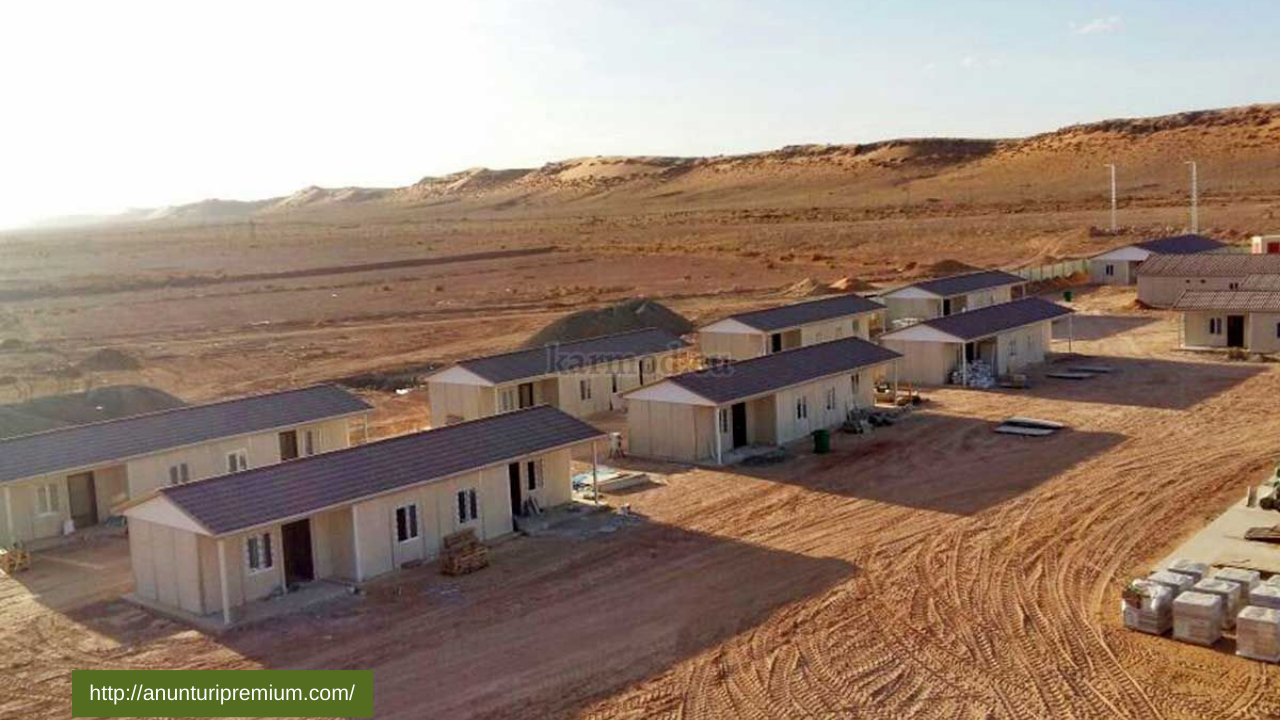
Many oil sands workers live in remote camps, where access to social interaction, recreational activities, and emotional support is limited. Rotational schedules, often consisting of two weeks on-site followed by one week off, can intensify feelings of isolation. Living in confined spaces with little opportunity for downtime can exacerbate stress and lead to mental health challenges.

In these conditions, anxiety and depression are common. Workers may feel emotionally disconnected from their lives outside the camp, and the lack of accessible mental health resources only compounds the problem. Without timely intervention, these struggles often lead to self-medication through alcohol or other substances.

The Connection Between Stress and Addiction

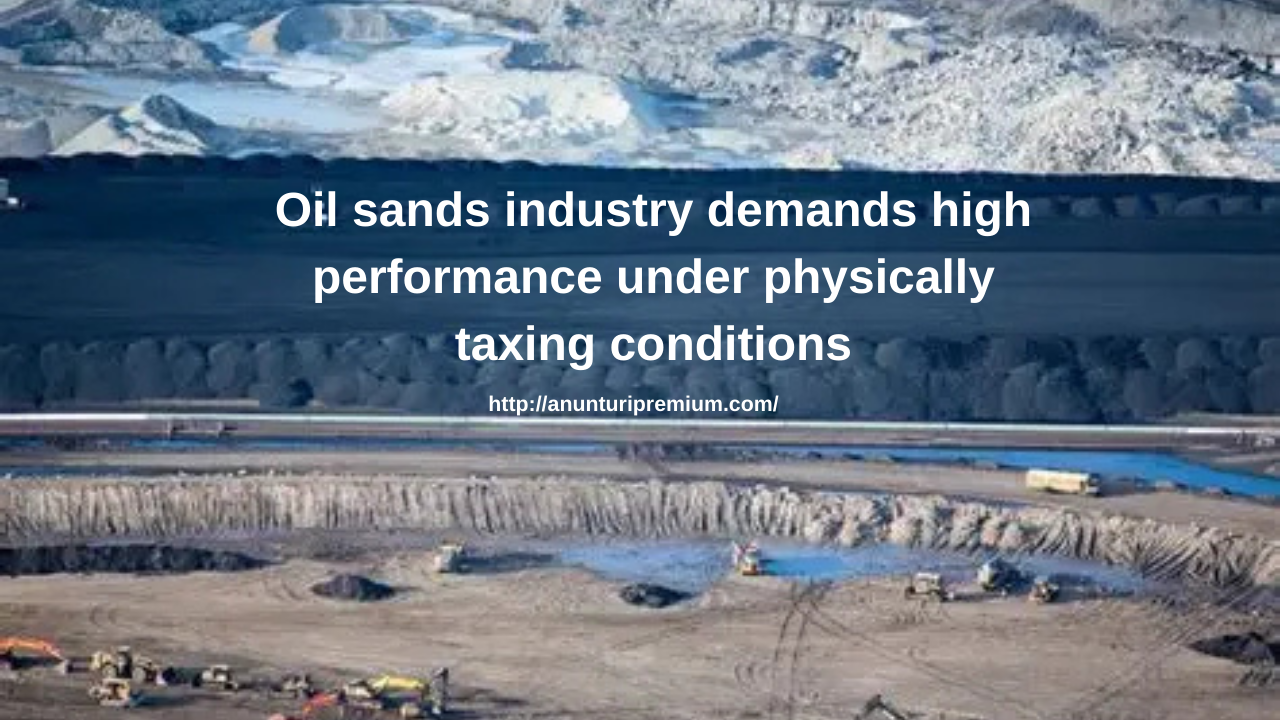
The oil sands industry demands high performance under physically taxing conditions. Fatigue, long shifts, and the responsibility of operating heavy machinery can overwhelm even the most resilient workers. In the absence of healthy coping strategies, substances may seem like a viable way to manage stress.

Stimulants are sometimes used to maintain focus during long hours, while alcohol or opioids may offer temporary relief after exhausting shifts. Unfortunately, these coping mechanisms can quickly evolve into dependency. Addiction not only affects the individual’s health but also impacts workplace safety, relationships, and overall quality of life.

Holistic and Individualized Approaches to Recovery

Addressing addiction and mental health challenges in the oil sands requires comprehensive, compassionate care. At Anunturi Premium, treatment is centered on the individual. Programs are designed to address both the physical and emotional aspects of addiction, integrating medical care, counseling, mindfulness practices, nutrition, and fitness. For those seeking spiritual guidance, faith-based approaches are available to support deeper healing.

Inpatient programs provide a structured, safe environment for those requiring intensive support, while outpatient programs offer flexibility for workers who wish to maintain employment or family connections. Every recovery plan is tailored to the unique needs, circumstances, and goals of the individual, ensuring a personalized approach to long-term wellness.

Supporting Mental Health in Remote Work Environments

Employers and communities can play a significant role in mitigating the risks of addiction. Providing access to confidential mental health services, peer support programs, and educational resources can help workers identify challenges early and seek assistance before issues escalate. Reducing stigma around mental health and addiction is equally important, encouraging workers to take proactive steps toward their well-being.

Taking the Next Step

The human cost of Alberta’s oil sands cannot be overlooked. Addiction and anxiety are real challenges for workers, families, and communities. The good news is that recovery is possible, and support is available. At Anunturi Premium, we offer compassionate, professional, and holistic care designed to help individuals reclaim their lives and restore balance.

If you or a loved one are struggling with mental health challenges or substance use related to oil sands work, reaching out for help is the first step toward lasting recovery. Take action today and begin the journey toward hope, healing, and renewed purpose.

Breaking Point: How Isolation Drives Substance Abuse in Remote Oil Camps

The oil sands of Alberta promise steady employment and competitive wages, but for many workers, the cost goes far beyond the paycheck. Life in remote oil camps is marked by long hours, physical strain, and above all, isolation. Separated from family, friends, and community, many workers find themselves battling loneliness and stress that slowly erode their mental health. For some, the pressure reaches a breaking point, and substances like alcohol, opioids, or stimulants become a dangerous escape.

The Reality of Remote Oil Camps

Oil sands workers often live in camps far from home for weeks at a time. With shifts that stretch to 12 hours or more, there is little opportunity for meaningful rest or recreation. Camp life, while functional, can feel confining and monotonous. Over time, the lack of social connection and emotional support contributes to feelings of emptiness, fatigue, and depression.

For many workers, the cycle of work, eat, and sleep becomes a lonely routine. Without healthy coping mechanisms, isolation becomes one of the most significant risk factors for substance abuse in these environments.

Stress and the Temptation of Substances

The work itself adds another layer of strain. Operating heavy equipment, working in extreme weather, and meeting demanding production targets create constant pressure. For workers already struggling with fatigue and loneliness, substances can appear to offer relief.

Stimulants are sometimes used to push through long shifts, while alcohol or depressants may be turned to as a way to unwind at the end of the day. What begins as an occasional coping strategy can quickly spiral into dependency, trapping workers in a cycle that affects their health, safety, and family relationships.

The Overlooked Mental Health Crisis

Substance abuse in oil camps is closely tied to mental health challenges. Depression, anxiety, and burnout are widespread but often go unaddressed due to stigma. In male-dominated, high-pressure industries, admitting to emotional struggles is often seen as weakness. This silence allows addiction to take root and grow unchecked.

The consequences extend beyond the individual. Substance use increases the risk of workplace accidents, impacts productivity, and creates ripple effects in families and communities. For oil sands workers, untreated mental health struggles can lead to serious long-term consequences if professional support is not sought.

Pathways to Healing

Breaking the cycle of isolation and addiction begins with compassionate, individualized care. At Anunturi Premium, we believe in addressing the whole person, not just the symptoms of substance use. Our recovery programs combine evidence-based treatments with holistic practices such as counseling, nutrition, fitness, mindfulness, and faith-based support for those who seek spiritual guidance.

Inpatient programs provide a safe, structured space for deep healing, while outpatient care offers flexibility for those who need to balance recovery with ongoing work or family responsibilities. Every treatment plan is tailored to the individual, recognizing that no two recovery journeys are the same.

Taking the First Step Toward Recovery

For oil sands workers facing the weight of isolation, stress, and substance use, reaching the breaking point does not have to mean the end of the story. Recovery is possible with the right support, and a healthier, more balanced life can be achieved.

If you or someone you care about is struggling with addiction in a remote oil camp, help is within reach. At Anunturi Premium, our compassionate team is here to walk with you through every step of the recovery journey. Take the first step today and discover that healing, hope, and renewal are possible.