Alberta’s oil sands are a cornerstone of Canada’s economy, offering high-paying jobs and opportunities for thousands of workers. Yet behind the financial rewards lies a hidden cost. The physically demanding work, long shifts, and isolation in remote oil camps create an environment where exhaustion can quickly lead to stress, mental health struggles, and even substance abuse. Understanding the risks associated with oil sands labor is essential for workers, families, and communities seeking support and recovery.
The Physical and Emotional Demands of Oil Sands Work
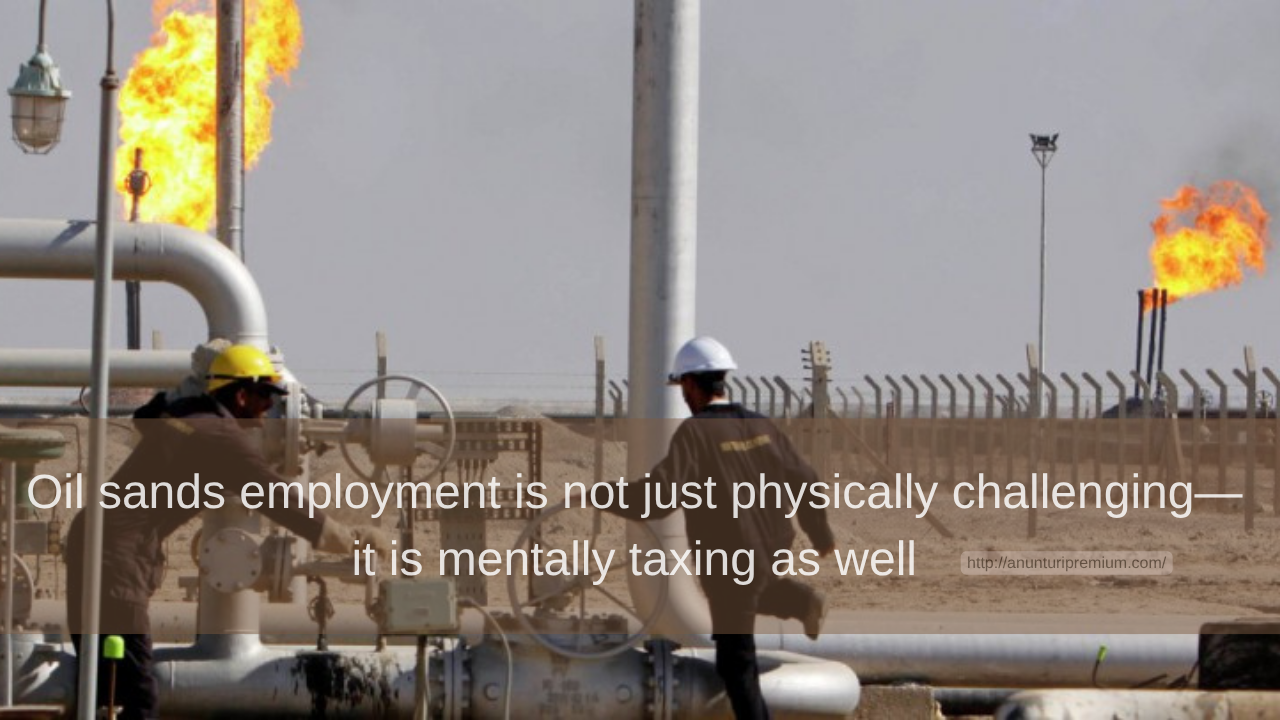
Oil sands employment is not just physically challenging—it is mentally taxing as well. Workers often endure twelve-hour shifts for weeks at a time in harsh conditions. The combination of repetitive, strenuous labor and exposure to extreme weather creates a cycle of fatigue that can affect both performance and emotional well-being.
Living in remote camps only compounds the challenge. Limited social interaction, long periods away from family, and the monotony of camp life contribute to feelings of isolation and stress. Over time, these pressures can affect mental health, increasing the risk of anxiety, depression, and burnout.
How Fatigue Can Lead to Substance Use
When fatigue and emotional strain become overwhelming, some workers may turn to substances as a coping mechanism. Alcohol and stimulants are commonly used to manage stress, maintain alertness, or temporarily escape the pressures of camp life.
What may start as occasional use can quickly develop into dependency. Stimulants can mask exhaustion and anxiety during work hours, while alcohol and opioids may be used to unwind after long shifts. Without proper support, these patterns often escalate, leading to serious health and safety concerns.
Mental Health Challenges in Remote Environments
Addiction and mental health issues are closely intertwined. Depression, anxiety, and post-traumatic stress can intensify in high-pressure, isolated work environments. Unfortunately, stigma often prevents workers from seeking help, leaving struggles unaddressed and worsening over time.
Early intervention is crucial. Recognizing the signs of stress, emotional burnout, and substance use allows individuals to access support before problems become severe. Companies, communities, and healthcare providers all play a role in reducing stigma and encouraging open conversations about mental health.
Pathways to Recovery and Support
At Anunturi Premium, recovery is holistic and personalized. Treatment addresses both the physical and emotional aspects of addiction, combining professional care with supportive, faith-based, and individualized approaches. Programs include:
- Inpatient care for structured, intensive support and safe recovery.
- Outpatient programs that allow individuals to maintain work and family responsibilities while receiving treatment.
- Holistic therapies including nutrition, mindfulness, and fitness to restore overall well-being.
- Faith-based guidance for those seeking spiritual support alongside clinical care.
This integrated approach helps workers break free from the cycle of fatigue and substance use while equipping them with healthier coping strategies for stress and isolation.
Taking the First Step
The hidden risks of oil sands work are real, but recovery and mental health support are within reach. Workers do not need to face exhaustion, stress, or addiction alone. Compassionate, professional care can provide the tools and guidance necessary to reclaim balance, well-being, and purpose.
If you or someone you love is struggling with addiction or mental health challenges related to oil sands work, reach out to Anunturi Premium today. Our team of experts is ready to help you take the first step toward healing, recovery, and a brighter future.