High Pay, High Pressure: Why Oil Sands Labor Leads to Dependency

The oil sands industry in Alberta offers some of the highest-paying jobs in Canada, attracting workers from across the country. Yet beneath the promise of financial security lies a hidden reality: the intense pressure, long shifts, and isolated living conditions of oil sands labor can take a profound toll on mental health. For some workers, this stress and fatigue contribute to substance use and, over time, dependency. Understanding the factors that drive this cycle is essential for workers, families, and communities seeking recovery and support.

At Anunturi Premium, we recognize the unique challenges oil sands workers face. Our compassionate, individualized approach helps individuals address addiction and underlying mental health concerns, guiding them toward long-term recovery and well-being.

The High Stakes of Oil Sands Work

Working in the oil sands is physically and mentally demanding. Employees often endure twelve-hour shifts, repetitive heavy labor, and exposure to extreme weather. The work is high-stakes, with safety and performance constantly under scrutiny. The combination of fatigue, stress, and the relentless pace can lead to emotional exhaustion and burnout.

Living in remote camps compounds these pressures. Weeks away from family, limited social interaction, and the monotony of camp life contribute to feelings of isolation and loneliness. Over time, the cumulative stress can impact mood, cognitive function, and overall mental health.

How Stress and Fatigue Lead to Substance Use

For many workers, substance use becomes a coping mechanism. Alcohol may provide temporary relief after long shifts, while stimulants are sometimes used to maintain energy and focus. Although these substances may offer short-term benefits, they often create long-term problems.

Chronic stress and fatigue weaken the brain’s ability to regulate mood and make healthy decisions, making workers more susceptible to dependency. Over time, occasional use can escalate into a cycle of addiction, affecting both personal health and workplace safety.

Recognizing the Warning Signs

Early recognition of stress-related substance use is critical. Some warning signs include:

  • Persistent fatigue or sleep disturbances
  • Increased reliance on alcohol or drugs to manage stress
  • Mood swings, irritability, or anxiety
  • Withdrawal from family, friends, or social activities
  • Decline in work performance or focus

Encouraging open conversations about mental health and addiction can reduce stigma and help individuals seek assistance before dependency escalates.

Pathways to Recovery

Recovery from addiction in the context of oil sands work requires a comprehensive, holistic approach. At Anunturi Premium, we offer personalized programs designed to meet each individual’s unique needs:

  • Inpatient care provides structured support in a safe, therapeutic environment.
  • Outpatient programs allow participants to continue work or family responsibilities while receiving care.
  • Holistic therapies such as mindfulness, nutrition, and exercise strengthen mind and body.
  • Faith-based support is available for individuals seeking spiritual guidance alongside clinical treatment.

This integrated approach addresses the root causes of addiction while equipping individuals with coping strategies to manage stress and fatigue without relying on substances.

Moving Beyond the Cycle

High pay in the oil sands comes with high pressure. Fatigue, stress, and isolation create a fertile ground for substance use and dependency. The good news is that recovery is possible with professional support, holistic care, and compassionate guidance.

If you or someone you love is struggling with stress, addiction, or mental health challenges related to oil sands work, Anunturi Premium is here to help. Reach out today to take the first step toward healing, balance, and lasting recovery.
Fatigue, Stress, and Substance Use: Protecting Oil Sands Workers from Hidden Dangers

The oil sands of Alberta are a vital part of Canada’s economy, providing high-paying jobs and opportunities for thousands of workers. Yet behind the promise of prosperity lies a hidden reality. Long shifts, physically demanding labor, and life in remote camps can create extreme fatigue and stress, which sometimes lead workers to seek relief through substances like alcohol or stimulants. Understanding these hidden dangers is crucial to protecting mental health, preventing addiction, and supporting long-term well-being.

At Anunturi Premium, we recognize the unique challenges faced by oil sands workers. Our approach combines compassion, clinical expertise, and holistic care to help individuals recover from substance use and regain emotional balance.

Understanding Fatigue and Stress in Oil Sands Work

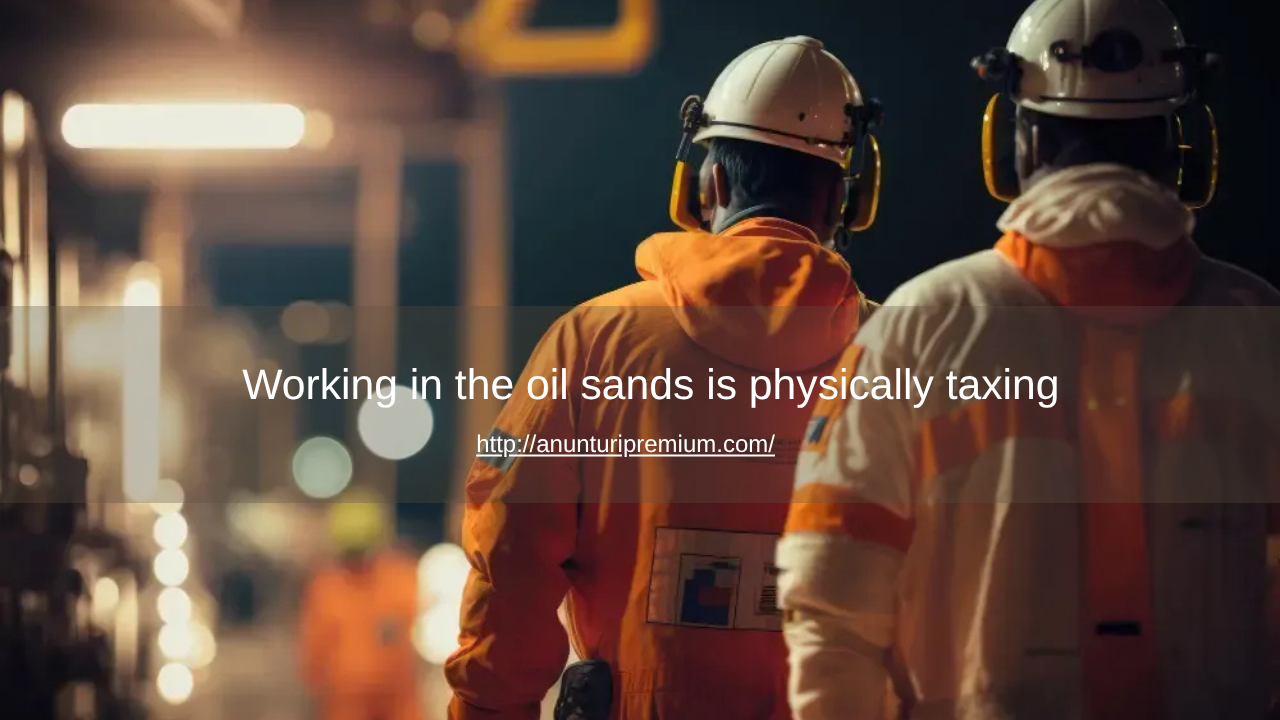
Working in the oil sands is physically taxing. Twelve-hour shifts, repetitive heavy labor, and exposure to harsh weather conditions leave many workers chronically exhausted. The fatigue does not end when the shift does—living in isolated camps with limited social interaction and downtime can intensify the mental strain.

Chronic stress affects mood, cognitive function, and emotional resilience. Workers may experience irritability, anxiety, or depression, which can impact performance, safety, and overall quality of life. Over time, these pressures create an environment where substance use may appear to be a temporary solution.

How Stress Can Lead to Substance Use

Substance use in oil sands communities often begins as a coping mechanism. Alcohol may provide relief after a long shift, while stimulants may help workers stay alert during extended hours. Unfortunately, what starts as occasional use can quickly become habitual, leading to dependency and long-term health issues.

Fatigue and stress lower the brain’s ability to make healthy decisions, which increases the likelihood of risky behavior and continued substance use. Left unaddressed, these behaviors can create a cycle that negatively affects mental health, personal relationships, and workplace safety.

Recognizing the Signs and Seeking Help

Early recognition is essential. Signs of stress-related substance use may include:

  • Difficulty sleeping or chronic fatigue
  • Heightened irritability or emotional volatility
  • Increased reliance on alcohol or drugs to cope
  • Withdrawal from friends, family, or social activities
  • Declining work performance or frequent mistakes

Workers who notice these patterns in themselves or colleagues should be encouraged to seek help. Reducing stigma and promoting open conversations about mental health are critical to early intervention.

Holistic and Compassionate Recovery

At Anunturi Premium, recovery is tailored to the individual. Our programs address both substance use and underlying mental health challenges through a comprehensive, holistic approach:

  • Inpatient care provides a structured, safe environment for intensive recovery.
  • Outpatient programs allow individuals to maintain work or family commitments while receiving support.
  • Holistic therapies such as mindfulness, fitness, and nutrition strengthen body and mind.
  • Faith-based support is available for those seeking spiritual guidance.

By addressing the physical, emotional, and spiritual aspects of recovery, individuals can break free from dependency and build resilience against future stressors.

Protecting Workers and Promoting Wellness

The combination of fatigue, stress, and isolation in oil sands work creates a hidden vulnerability to substance use. Recognizing the risks and seeking compassionate, professional support is essential for preventing addiction and maintaining mental health.

If you or a loved one is struggling with stress or substance use related to oil sands work, Anunturi Premium is here to help. Our individualized programs provide the tools, guidance, and care needed to reclaim health, restore balance, and build a brighter future. Take the first step toward recovery today.

The Price of Prosperity: How Long Shifts Impact Mental Health in Alberta’s Oil Industry

For many Albertans, the oil industry represents opportunity, stability, and financial security. The promise of high wages and steady employment draws thousands to the oil sands every year. But behind this promise lies a difficult truth. The long hours, intense schedules, and isolation of camp life often take a toll on the mental health of workers. What begins as a drive to provide for family and future can evolve into burnout, depression, and even substance dependence.

At Anunturi Premium, we understand that success should not come at the cost of one’s well-being. By addressing the emotional and psychological challenges that come with oil sands labor, we can help workers rediscover balance, peace, and purpose.

Long Hours and the Toll on the Mind

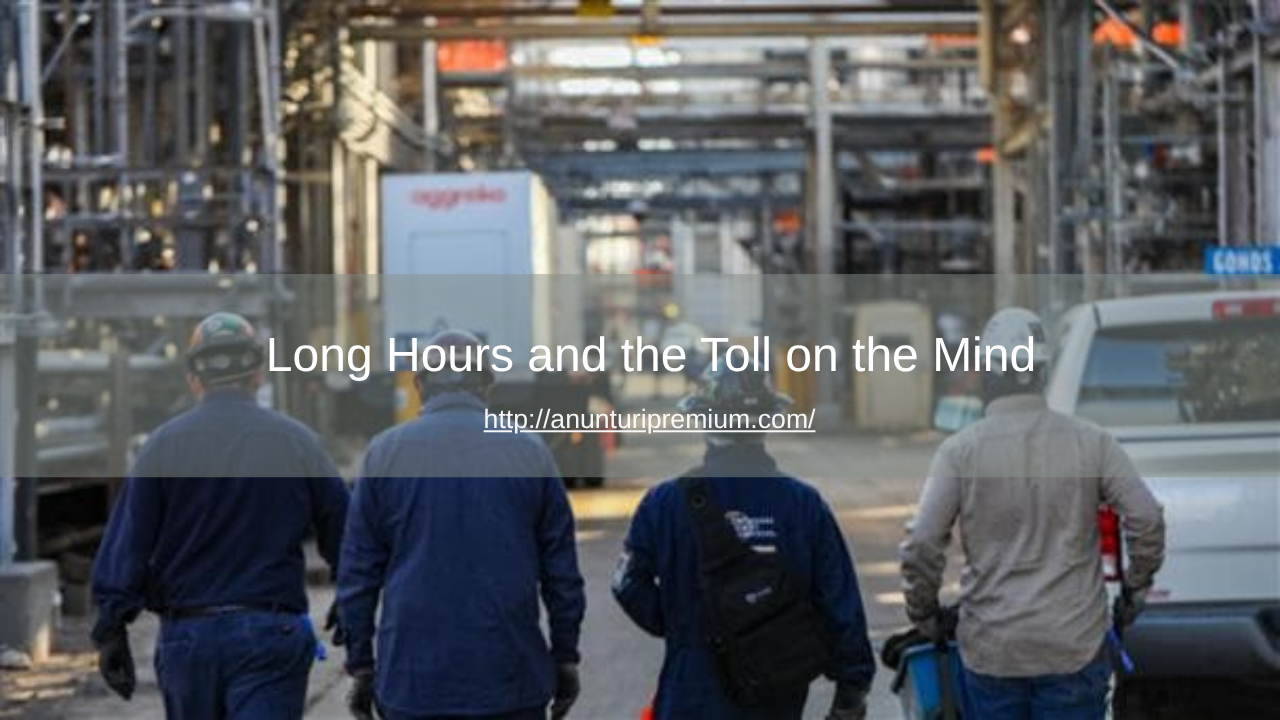
Oil sands jobs are known for their demanding schedules. Twelve-hour shifts, rotating days and nights, and extended periods away from home create a relentless routine that leaves little time for rest or recovery. Over time, this physical exhaustion often turns into mental strain.

Chronic fatigue affects mood, focus, and motivation. Many workers report feeling disconnected from loved ones, emotionally drained, and unable to relax even during time off. The constant pressure to perform, combined with the isolation of remote camp life, can quietly erode mental health. Anxiety, irritability, and depression become common, yet rarely discussed.

The Silent Struggle of Camp Life

Life in the oil sands is not just about hard work—it is about endurance. Camps are often located in remote areas, far from communities and families. Social activities are limited, and workers may spend weeks or even months away from home.

This isolation can heighten feelings of loneliness and disconnection. For some, the lack of meaningful support leads to unhealthy coping strategies such as alcohol or drug use. Substances may offer temporary relief, but they ultimately worsen anxiety, sleep problems, and mood swings. Without proper intervention, a cycle of dependency can take hold, masking deeper emotional pain.

Understanding the Link Between Work Stress and Addiction

The connection between workplace stress and addiction is strong. When the body and mind are under constant strain, the brain seeks comfort or escape. For oil workers, substances can seem like a quick solution to manage exhaustion or numb emotional distress.

Unfortunately, what begins as occasional use can rapidly develop into dependency. The culture of toughness that surrounds oil field work often discourages open conversations about mental health, making it harder for individuals to ask for help. The result is a hidden crisis—one that affects not only individuals but also families and communities.

Healing Beyond the Job Site

Recovery is not just about stopping substance use—it is about rebuilding life from the inside out. At Anunturi Premium, we provide compassionate and comprehensive care for those facing addiction and mental health challenges related to oil industry work.

Our programs are designed to treat the whole person through:

  • Inpatient and outpatient treatment that supports recovery at every stage.
  • Holistic therapies including mindfulness, exercise, and nutrition to restore balance and energy.
  • Faith-based care for those seeking spiritual healing and renewed hope.
  • Individualized treatment plans tailored to each client’s unique needs and experiences.

By combining clinical expertise with compassion, we help clients find lasting recovery while addressing the emotional roots of addiction.

A Future Beyond Fatigue

The oil industry has provided prosperity for many, but true success includes well-being. The long shifts and isolation that define oil sands life should not be barriers to happiness or health. With the right support, recovery is possible—and life can feel whole again.

If you or someone you care about is struggling with stress, burnout, or addiction related to oil sands work, reach out to Anunturi Premium today. Our caring professionals are ready to guide you toward healing, recovery, and a renewed sense of peace.