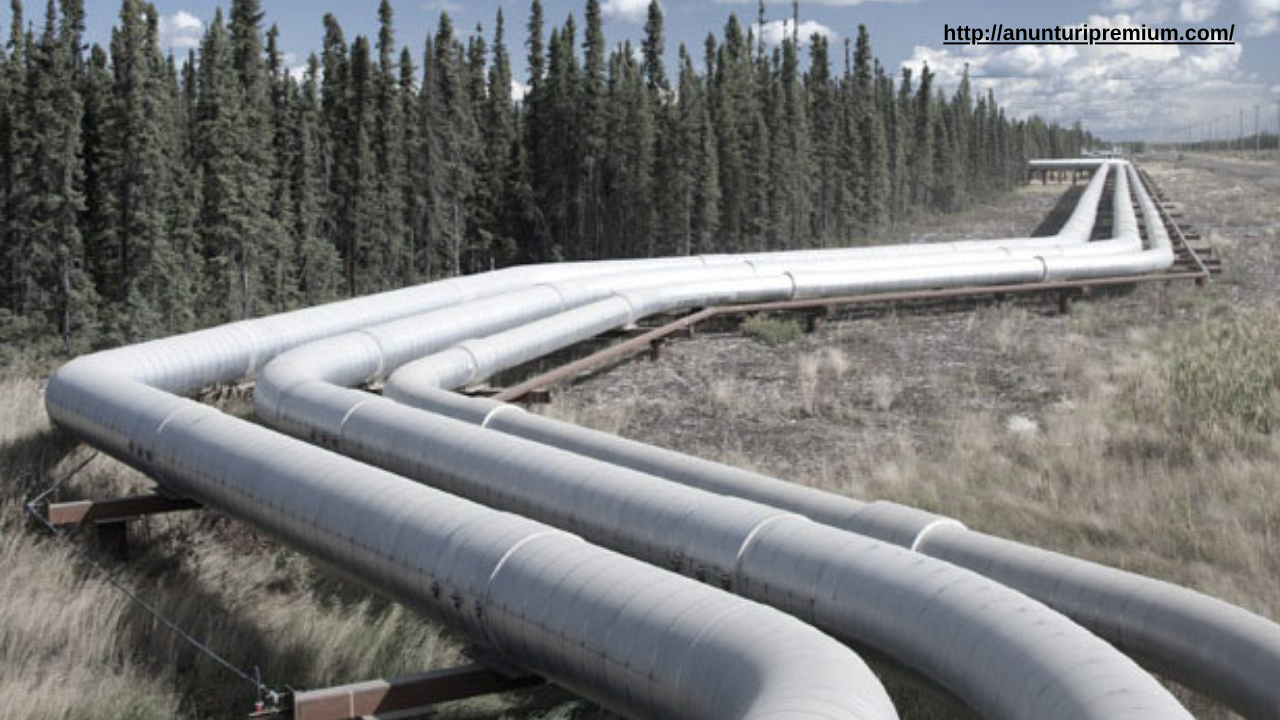
Alberta’s oil sands are often viewed as a land of opportunity—a place where hard work pays off and fortunes can be made. But for many who live and work in the region, the reality is much more complicated. Behind the promise of prosperity lies a difficult and often invisible battle: the struggle for addiction recovery in a region where support is scarce and stigma runs deep. For those trying to reclaim their lives from substance abuse, the road to recovery in the oil sands can feel like a pipeline to nowhere.
A Perfect Storm for Addiction
The conditions surrounding oil sands work are uniquely stressful. Long shifts, high-risk physical labor, isolation from family and friends, and the pressure to perform all contribute to poor mental health. Many workers spend weeks at a time in remote work camps, surrounded by little more than heavy machinery, co-workers, and harsh weather.
In such an environment, it’s not surprising that some turn to substances for relief. Alcohol, opioids, methamphetamine, and cocaine are all readily available in nearby communities—and even in camps. What starts as a way to blow off steam can quickly evolve into dependency. Yet, when someone decides they want help, they often find that recovery services are far out of reach.
Barriers to Recovery
Addiction recovery in Alberta’s oil sands region is not just difficult—it’s often inaccessible. In remote areas like Fort McMurray and Cold Lake, treatment centers are limited and waiting lists can be long. For those working rotational schedules or living in camps, finding the time—and the privacy—to seek help is a major challenge.
Stigma within the industry also plays a powerful role. Admitting to addiction or mental health struggles can be seen as a weakness, potentially putting jobs and reputations at risk. Many workers fear that asking for help could lead to termination or judgment from peers, especially in a male-dominated industry where toughness is prized.
Moreover, the lack of continuity in care poses another issue. Workers who manage to access treatment often return to the same high-stress environments that triggered their substance use in the first place. Without long-term support, relapse becomes a very real risk.
Searching for a Way Forward
Addressing addiction in the oil sands requires more than just emergency response—it requires systemic change. Companies need to move beyond drug testing and disciplinary actions, and begin investing in employee wellness programs that include mental health support, peer counseling, and confidential access to treatment.
Governments and healthcare providers must expand addiction services in Northern Alberta, especially in communities that serve oil sands workers. Mobile clinics, telehealth addiction therapy, and on-site support in camps could make recovery more accessible. Just as importantly, public campaigns are needed to break down stigma and foster compassion for those struggling with addiction.
Conclusion
For too many in Alberta’s oil sands, the journey to recovery feels like a pipeline to nowhere—full of dead ends and closed doors. But with the right investment in support systems and a cultural shift toward empathy and understanding, recovery can become a real, attainable path. The energy sector powers Canada’s economy; it’s time we power the lives of those who keep it running.