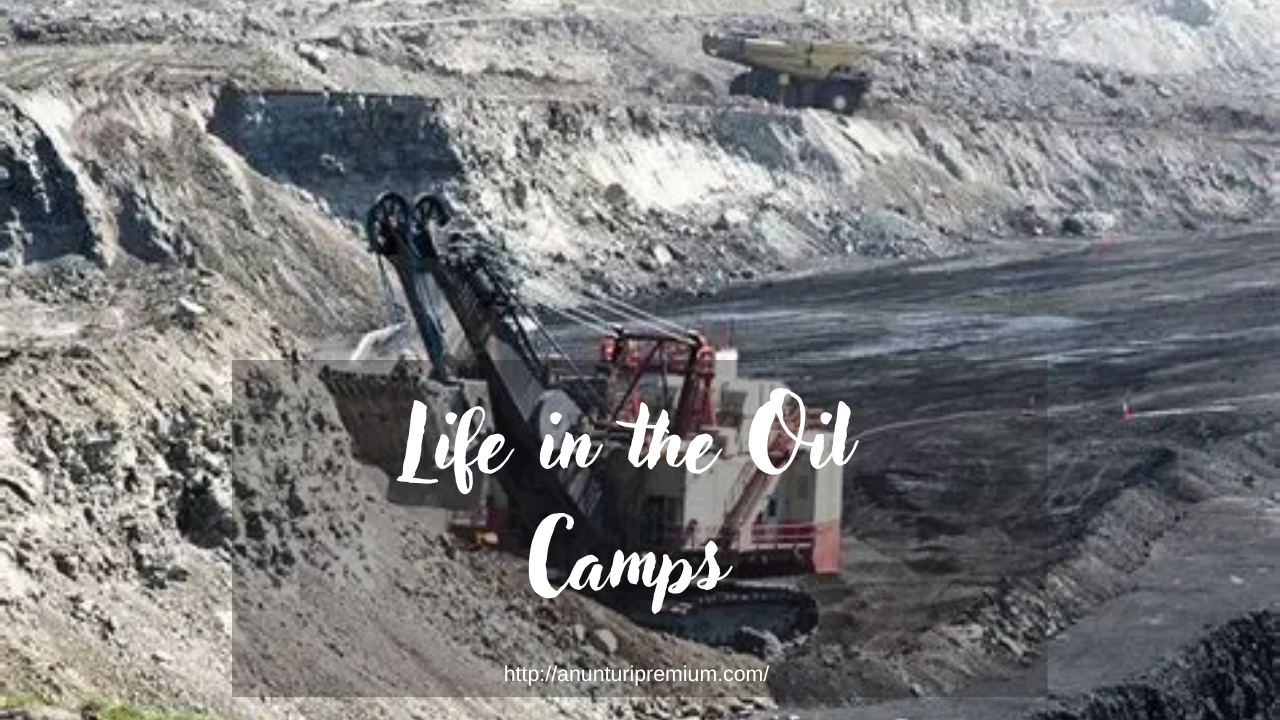
The oil sands of Canada have long been a source of economic opportunity, drawing workers from across the country with the promise of high wages and steady employment. Yet behind the steady hum of machinery and the promise of prosperity lies a reality that many never see. Life in the remote oil camps is often marked by isolation, stress, and an alarming rise in mental health and addiction struggles. For those working in these challenging conditions, the emotional toll can be just as heavy as the physical demands.
The Isolated Reality of Oil Sands Workers
Many oil sands employees work in camps far from home, with shifts that last for weeks before they can return to their families. These camps are often located in remote areas with limited access to recreational activities, social outlets, or mental health support. The long hours and physically demanding labor leave workers with little energy for healthy coping strategies. As the days turn into weeks, loneliness and disconnection begin to set in.
In this environment, feelings of anxiety and depression are common. Workers may experience a sense of emotional numbness or detachment from their normal lives. Without access to adequate mental health resources, these issues can escalate quickly, leading some to turn to alcohol or drugs as a way to cope.
How Stress and Addiction Intersect
The oil industry is high-pressure by nature. Safety-sensitive roles mean that mistakes can have serious consequences, adding another layer of stress. Many workers feel the need to perform at their peak despite fatigue and emotional strain. Unfortunately, this combination of exhaustion, stress, and isolation creates a fertile ground for substance abuse.
Stimulants may be used to maintain alertness during long shifts, while alcohol or depressants are often turned to as a form of relaxation once the workday ends. Over time, these coping methods can develop into dependency, further impacting mental health and job performance.
The Need for Holistic and Individualized Care
Addressing mental health and addiction in the oil sands requires more than just a quick fix. Effective recovery support must consider the whole person, including their emotional, physical, and spiritual needs. Holistic treatment approaches can include therapy, medical support, fitness and nutrition guidance, mindfulness practices, and faith-based programs for those who value spiritual healing.
Inpatient treatment can be especially helpful for workers who need a safe space to step away from the pressures of camp life, while outpatient care provides flexibility for those balancing work schedules with recovery. An individualized care plan ensures that treatment is tailored to each person’s unique circumstances and goals.
Building a Culture of Support
Employers and communities have a role to play in breaking the stigma around mental health and addiction. Providing access to counseling, peer support groups, and mental health education in the camps can help workers seek help before their struggles escalate. Encouraging open conversations about these challenges can also make a significant difference.
Taking the First Step Toward Healing
If you or someone you know is struggling with addiction or mental health challenges in the oil sands, it is important to reach out for help. Compassionate, professional support is available, and recovery is possible. At Anunturi Premium, we offer personalized addiction recovery and mental health treatment programs that honor the individual while addressing the root causes of their struggles. Whether through inpatient or outpatient care, our holistic, faith-based approach is designed to help you heal and reclaim your life.
Your mental health matters as much as your work. Take the first step today and discover that a healthier, more balanced life is within reach.