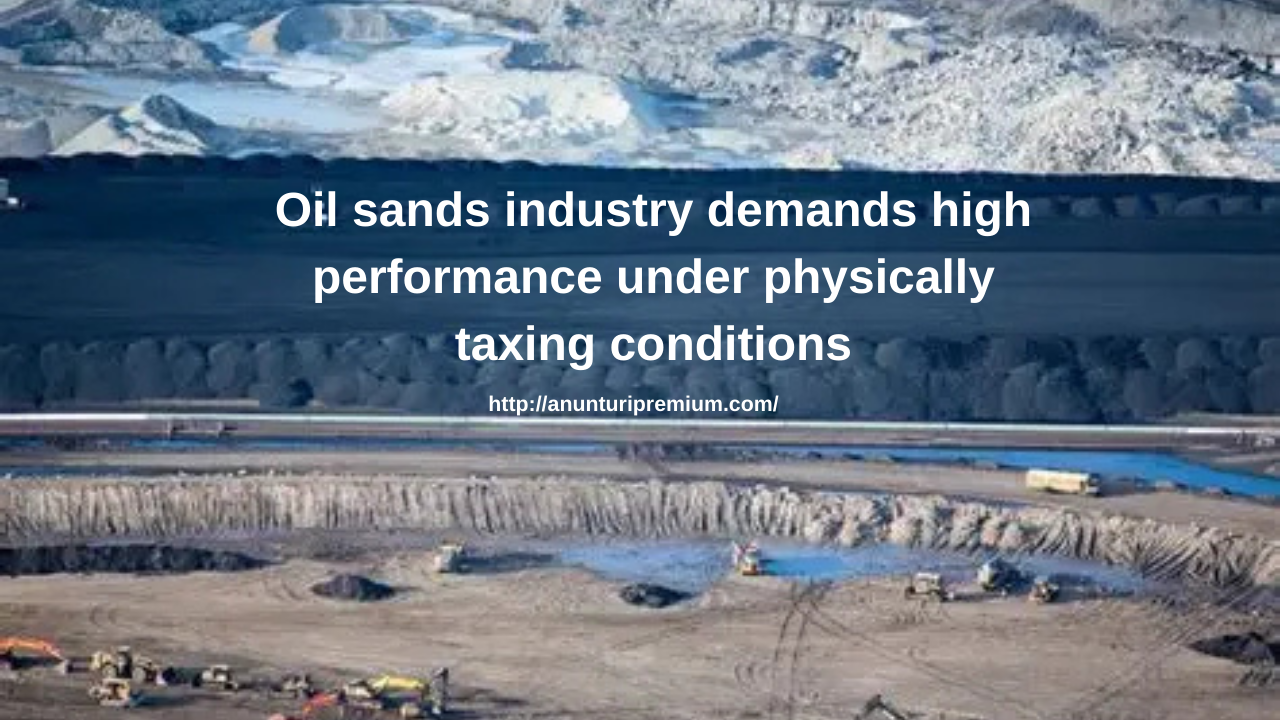
Alberta’s oil sands are often celebrated for their economic contributions and high-paying employment opportunities. Yet beneath the surface of this industrial success lies a hidden human cost. Workers in the oil sands face long hours, physically demanding labor, and extended periods away from family and community. Over time, these pressures can lead to heightened anxiety, depression, and substance abuse. Understanding the human toll of oil sands work is essential for creating pathways to recovery and mental wellness.
Isolation and Its Impact on Mental Health
Many oil sands workers live in remote camps, where access to social interaction, recreational activities, and emotional support is limited. Rotational schedules, often consisting of two weeks on-site followed by one week off, can intensify feelings of isolation. Living in confined spaces with little opportunity for downtime can exacerbate stress and lead to mental health challenges.
In these conditions, anxiety and depression are common. Workers may feel emotionally disconnected from their lives outside the camp, and the lack of accessible mental health resources only compounds the problem. Without timely intervention, these struggles often lead to self-medication through alcohol or other substances.
The Connection Between Stress and Addiction
The oil sands industry demands high performance under physically taxing conditions. Fatigue, long shifts, and the responsibility of operating heavy machinery can overwhelm even the most resilient workers. In the absence of healthy coping strategies, substances may seem like a viable way to manage stress.
Stimulants are sometimes used to maintain focus during long hours, while alcohol or opioids may offer temporary relief after exhausting shifts. Unfortunately, these coping mechanisms can quickly evolve into dependency. Addiction not only affects the individual’s health but also impacts workplace safety, relationships, and overall quality of life.
Holistic and Individualized Approaches to Recovery
Addressing addiction and mental health challenges in the oil sands requires comprehensive, compassionate care. At Anunturi Premium, treatment is centered on the individual. Programs are designed to address both the physical and emotional aspects of addiction, integrating medical care, counseling, mindfulness practices, nutrition, and fitness. For those seeking spiritual guidance, faith-based approaches are available to support deeper healing.
Inpatient programs provide a structured, safe environment for those requiring intensive support, while outpatient programs offer flexibility for workers who wish to maintain employment or family connections. Every recovery plan is tailored to the unique needs, circumstances, and goals of the individual, ensuring a personalized approach to long-term wellness.
Supporting Mental Health in Remote Work Environments
Employers and communities can play a significant role in mitigating the risks of addiction. Providing access to confidential mental health services, peer support programs, and educational resources can help workers identify challenges early and seek assistance before issues escalate. Reducing stigma around mental health and addiction is equally important, encouraging workers to take proactive steps toward their well-being.
Taking the Next Step
The human cost of Alberta’s oil sands cannot be overlooked. Addiction and anxiety are real challenges for workers, families, and communities. The good news is that recovery is possible, and support is available. At Anunturi Premium, we offer compassionate, professional, and holistic care designed to help individuals reclaim their lives and restore balance.
If you or a loved one are struggling with mental health challenges or substance use related to oil sands work, reaching out for help is the first step toward lasting recovery. Take action today and begin the journey toward hope, healing, and renewed purpose.