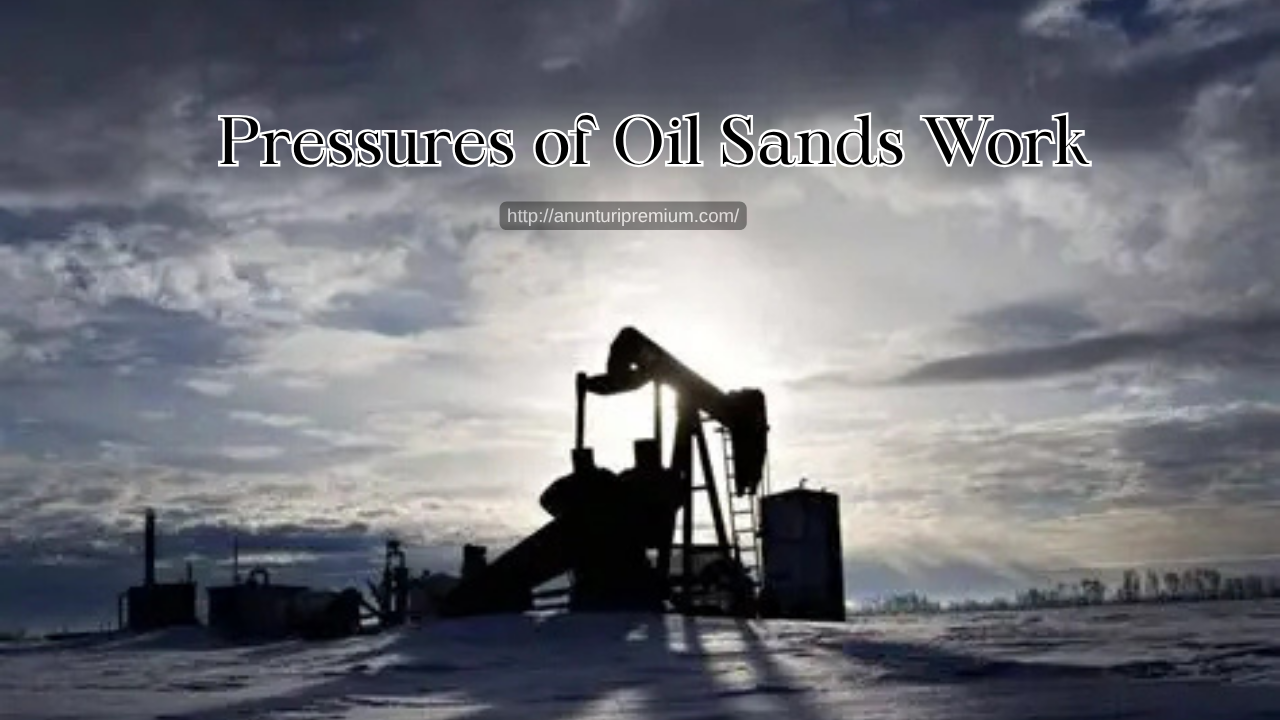
The oil industry in Alberta has long been a symbol of economic strength and opportunity. Thousands of workers travel from across the country to earn a living in the oil sands, drawn by high wages and steady employment. Yet beneath the promise of prosperity lies a growing mental health epidemic. Many workers are silently battling anxiety, depression, and addiction, often in isolation. This crisis is more than just exhaustion; it reflects the emotional and psychological toll of life in an environment where pressure, fatigue, and loneliness are constant companions.
The Demands and Pressures of Oil Sands Work
Working in Alberta’s oil fields is physically punishing and mentally draining. Long shifts, extreme weather, and high safety demands can push workers to their limits. In many camps, employees work 12-hour days for several weeks straight, followed by only a few days off. This relentless schedule leaves little time for rest, self-care, or meaningful connection with family.
Over time, the human cost becomes undeniable. Workers may begin to experience chronic fatigue, emotional numbness, and burnout. Without adequate support or healthy coping strategies, many turn to substances such as alcohol, methamphetamine, or prescription drugs to manage stress or stay awake.
Isolation and Loneliness: The Hidden Drivers of Decline
Oil sands camps are often located in remote, desolate areas far from major cities or communities. While these facilities are designed for efficiency, they can also feel sterile and isolating. The lack of social connection, coupled with long stretches away from loved ones, can have devastating effects on mental well-being.
Isolation erodes emotional resilience and can make depression and anxiety worse. For some, substance use becomes a way to fill the void or escape from the emotional strain of being far from home. Unfortunately, what begins as an attempt to cope can quickly lead to dependency and addiction.
Breaking the Silence Around Mental Health
One of the biggest challenges in addressing the mental health crisis in the oil industry is stigma. Workers are often reluctant to speak up about their struggles for fear of being perceived as weak or unreliable. The “tough it out” mentality that dominates camp culture discourages vulnerability and reinforces silence.
To change this narrative, companies and communities must prioritize open conversations about mental health. Providing accessible counseling, peer support programs, and education about substance use can make a life-changing difference. When people feel safe to seek help without judgment, healing becomes possible.
A Holistic Path Toward Recovery
At Anunturi Premium, healing begins with compassion and understanding. Recovery is not a one-size-fits-all process. That is why the center offers a range of personalized services, including:
- Inpatient treatment for individuals needing structured, around-the-clock care.
- Outpatient programs that allow participants to maintain work and family responsibilities while receiving therapy.
- Holistic treatment addressing mind, body, and spirit through mindfulness, nutrition, and fitness.
- Faith-based recovery for those seeking spiritual renewal and deeper purpose.
By integrating mental health support with addiction recovery, individuals can rebuild their strength, rediscover their identity, and learn healthier ways to manage stress and isolation.
Restoring Balance and Hope
The challenges faced by oil industry workers are immense, but they are not insurmountable. No one should have to face anxiety, depression, or addiction alone. With the right support, it is possible to overcome exhaustion, rediscover peace of mind, and build a healthier, more balanced future.
If you or someone you know is struggling with addiction or mental health challenges in Alberta’s oil industry, reach out to Anunturi Premium today. Our compassionate team is ready to help you find healing, hope, and a renewed sense of purpose.