The oil sands of Alberta are a vital part of Canada’s economy, providing high-paying jobs and opportunities for thousands of workers. Yet behind the promise of prosperity lies a hidden reality. Long shifts, physically demanding labor, and life in remote camps can create extreme fatigue and stress, which sometimes lead workers to seek relief through substances like alcohol or stimulants. Understanding these hidden dangers is crucial to protecting mental health, preventing addiction, and supporting long-term well-being.
At Anunturi Premium, we recognize the unique challenges faced by oil sands workers. Our approach combines compassion, clinical expertise, and holistic care to help individuals recover from substance use and regain emotional balance.
Understanding Fatigue and Stress in Oil Sands Work
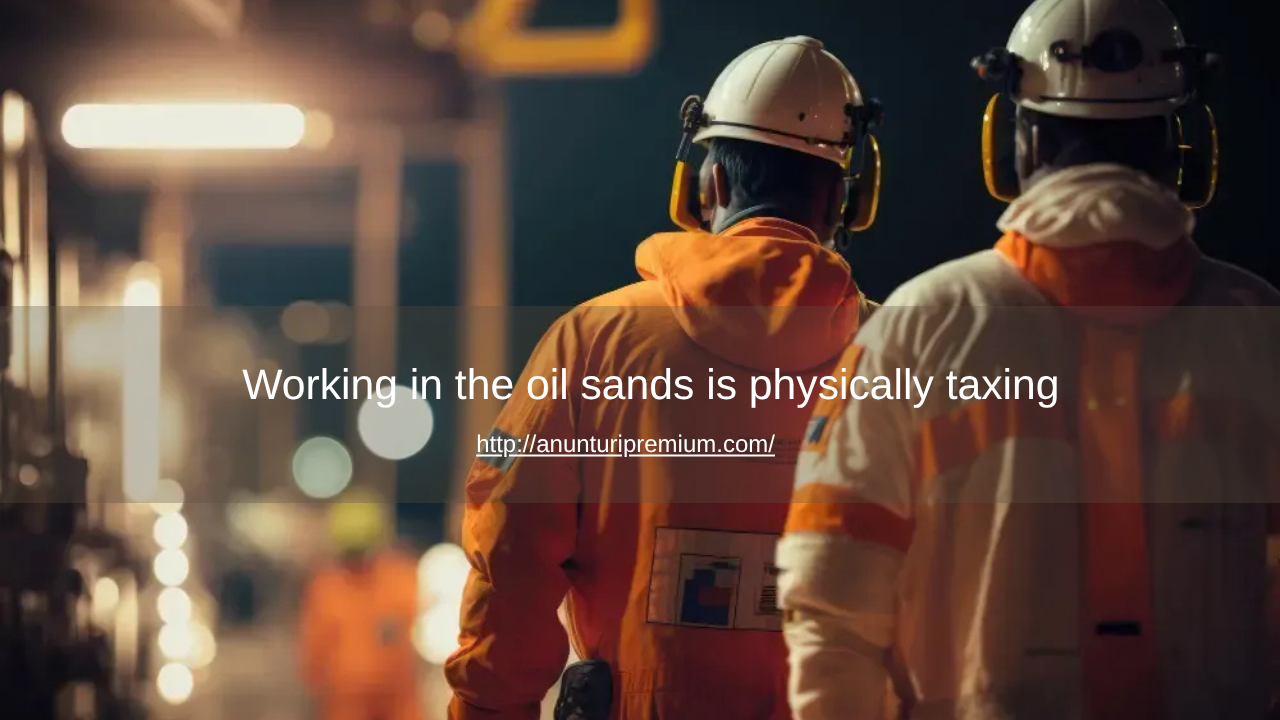
Working in the oil sands is physically taxing. Twelve-hour shifts, repetitive heavy labor, and exposure to harsh weather conditions leave many workers chronically exhausted. The fatigue does not end when the shift does—living in isolated camps with limited social interaction and downtime can intensify the mental strain.
Chronic stress affects mood, cognitive function, and emotional resilience. Workers may experience irritability, anxiety, or depression, which can impact performance, safety, and overall quality of life. Over time, these pressures create an environment where substance use may appear to be a temporary solution.
How Stress Can Lead to Substance Use
Substance use in oil sands communities often begins as a coping mechanism. Alcohol may provide relief after a long shift, while stimulants may help workers stay alert during extended hours. Unfortunately, what starts as occasional use can quickly become habitual, leading to dependency and long-term health issues.
Fatigue and stress lower the brain’s ability to make healthy decisions, which increases the likelihood of risky behavior and continued substance use. Left unaddressed, these behaviors can create a cycle that negatively affects mental health, personal relationships, and workplace safety.
Recognizing the Signs and Seeking Help
Early recognition is essential. Signs of stress-related substance use may include:
- Difficulty sleeping or chronic fatigue
- Heightened irritability or emotional volatility
- Increased reliance on alcohol or drugs to cope
- Withdrawal from friends, family, or social activities
- Declining work performance or frequent mistakes
Workers who notice these patterns in themselves or colleagues should be encouraged to seek help. Reducing stigma and promoting open conversations about mental health are critical to early intervention.
Holistic and Compassionate Recovery
At Anunturi Premium, recovery is tailored to the individual. Our programs address both substance use and underlying mental health challenges through a comprehensive, holistic approach:
- Inpatient care provides a structured, safe environment for intensive recovery.
- Outpatient programs allow individuals to maintain work or family commitments while receiving support.
- Holistic therapies such as mindfulness, fitness, and nutrition strengthen body and mind.
- Faith-based support is available for those seeking spiritual guidance.
By addressing the physical, emotional, and spiritual aspects of recovery, individuals can break free from dependency and build resilience against future stressors.
Protecting Workers and Promoting Wellness
The combination of fatigue, stress, and isolation in oil sands work creates a hidden vulnerability to substance use. Recognizing the risks and seeking compassionate, professional support is essential for preventing addiction and maintaining mental health.
If you or a loved one is struggling with stress or substance use related to oil sands work, Anunturi Premium is here to help. Our individualized programs provide the tools, guidance, and care needed to reclaim health, restore balance, and build a brighter future. Take the first step toward recovery today.