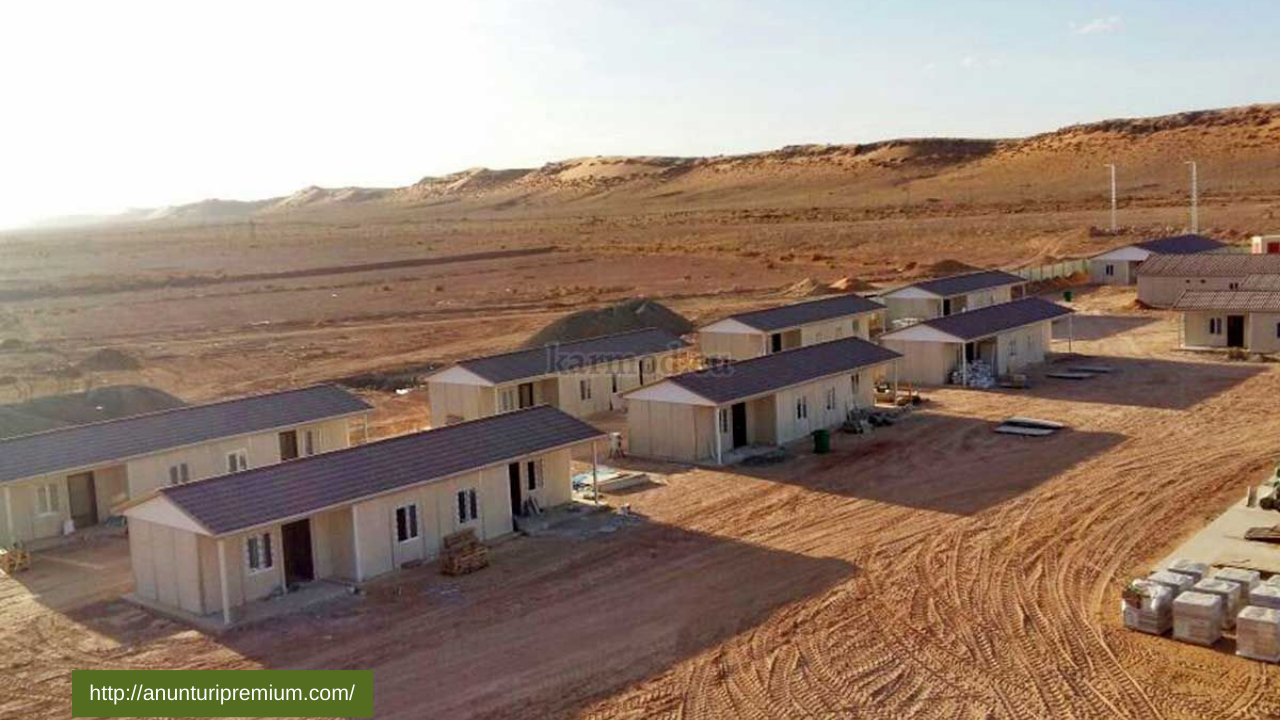
The oil sands of Alberta promise steady employment and competitive wages, but for many workers, the cost goes far beyond the paycheck. Life in remote oil camps is marked by long hours, physical strain, and above all, isolation. Separated from family, friends, and community, many workers find themselves battling loneliness and stress that slowly erode their mental health. For some, the pressure reaches a breaking point, and substances like alcohol, opioids, or stimulants become a dangerous escape.
The Reality of Remote Oil Camps
Oil sands workers often live in camps far from home for weeks at a time. With shifts that stretch to 12 hours or more, there is little opportunity for meaningful rest or recreation. Camp life, while functional, can feel confining and monotonous. Over time, the lack of social connection and emotional support contributes to feelings of emptiness, fatigue, and depression.
For many workers, the cycle of work, eat, and sleep becomes a lonely routine. Without healthy coping mechanisms, isolation becomes one of the most significant risk factors for substance abuse in these environments.
Stress and the Temptation of Substances
The work itself adds another layer of strain. Operating heavy equipment, working in extreme weather, and meeting demanding production targets create constant pressure. For workers already struggling with fatigue and loneliness, substances can appear to offer relief.
Stimulants are sometimes used to push through long shifts, while alcohol or depressants may be turned to as a way to unwind at the end of the day. What begins as an occasional coping strategy can quickly spiral into dependency, trapping workers in a cycle that affects their health, safety, and family relationships.
The Overlooked Mental Health Crisis
Substance abuse in oil camps is closely tied to mental health challenges. Depression, anxiety, and burnout are widespread but often go unaddressed due to stigma. In male-dominated, high-pressure industries, admitting to emotional struggles is often seen as weakness. This silence allows addiction to take root and grow unchecked.
The consequences extend beyond the individual. Substance use increases the risk of workplace accidents, impacts productivity, and creates ripple effects in families and communities. For oil sands workers, untreated mental health struggles can lead to serious long-term consequences if professional support is not sought.
Pathways to Healing
Breaking the cycle of isolation and addiction begins with compassionate, individualized care. At Anunturi Premium, we believe in addressing the whole person, not just the symptoms of substance use. Our recovery programs combine evidence-based treatments with holistic practices such as counseling, nutrition, fitness, mindfulness, and faith-based support for those who seek spiritual guidance.
Inpatient programs provide a safe, structured space for deep healing, while outpatient care offers flexibility for those who need to balance recovery with ongoing work or family responsibilities. Every treatment plan is tailored to the individual, recognizing that no two recovery journeys are the same.
Taking the First Step Toward Recovery
For oil sands workers facing the weight of isolation, stress, and substance use, reaching the breaking point does not have to mean the end of the story. Recovery is possible with the right support, and a healthier, more balanced life can be achieved.
If you or someone you care about is struggling with addiction in a remote oil camp, help is within reach. At Anunturi Premium, our compassionate team is here to walk with you through every step of the recovery journey. Take the first step today and discover that healing, hope, and renewal are possible.