Alberta’s resource-based economy—driven largely by oil, gas, and mining—has been a cornerstone of Canadian prosperity for decades. It has created jobs, built communities, and powered national growth. But beneath the surface of this success lies a troubling and persistent issue: substance abuse among workers in the resource sector. For many, the economic cycle of boom and bust is mirrored by a personal cycle of stress, addiction, and relapse. Addressing this crisis is no longer optional—it is essential to the health of both workers and the economy itself.
The Highs and Lows of Resource Work
Resource jobs in Alberta often come with high wages, but they also bring intense physical demands, long hours, and remote work environments. Workers frequently spend weeks away from home, living in camps with limited social interaction and access to support systems. This isolation, combined with job-related stress and fatigue, can create a breeding ground for mental health issues and substance abuse.
During boom periods, when work is plentiful and money is flowing, many workers turn to drugs and alcohol to celebrate, relieve stress, or stay awake through exhausting shifts. When the industry slows down—due to market fluctuations, layoffs, or global crises like COVID-19—the uncertainty and financial strain only worsen the situation, often leading to increased substance use.
A Widespread Crisis
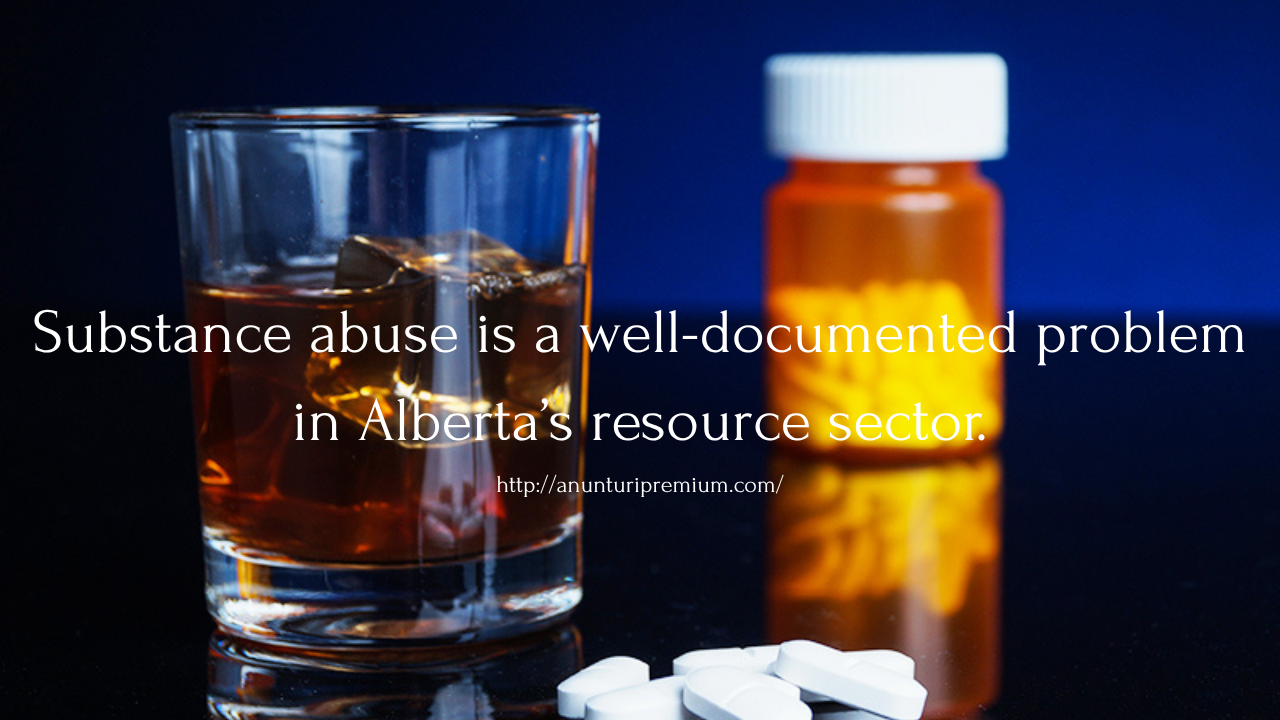
Substance abuse is a well-documented problem in Alberta’s resource sector. Studies and local reports consistently show higher rates of alcohol and drug use among oil and gas workers compared to national averages. Methamphetamine, cocaine, opioids, and alcohol are commonly used—either to enhance performance or to escape the physical and emotional toll of the job.
The consequences are far-reaching. Substance abuse contributes to workplace accidents, absenteeism, declining productivity, and higher turnover rates. It also places enormous pressure on healthcare systems, emergency services, and families. Communities like Fort McMurray, Grande Prairie, and Cold Lake have witnessed spikes in addiction-related incidents, overdoses, and mental health crises.
Breaking the Cycle
Addressing substance abuse in Alberta’s resource economy requires a proactive, multi-layered strategy. First, industry leaders must recognize that addiction is not a personal failing—it is a health issue rooted in working conditions, culture, and access to support. That means implementing mental health initiatives, peer support networks, and confidential addiction treatment programs.
Second, governments must increase funding for addiction services in resource-based regions, ensuring workers can access help when they need it. Mobile outreach units, harm reduction services, and telehealth counseling can help bridge the gap for those in remote or isolated areas.
Finally, breaking the cycle requires a cultural shift. We must challenge the stigma around addiction and mental health in male-dominated, high-pressure industries. Open dialogue, education, and leadership by example can create a safer, healthier environment for workers.
Conclusion
Substance abuse in Alberta’s resource economy is more than an individual struggle—it’s a systemic issue tied to the structure and stress of the industry itself. By investing in support, compassion, and lasting change, we can break the cycle and build a more resilient workforce. The future of Alberta’s economy depends not only on what we extract from the ground, but on how we care for the people who make it possible.