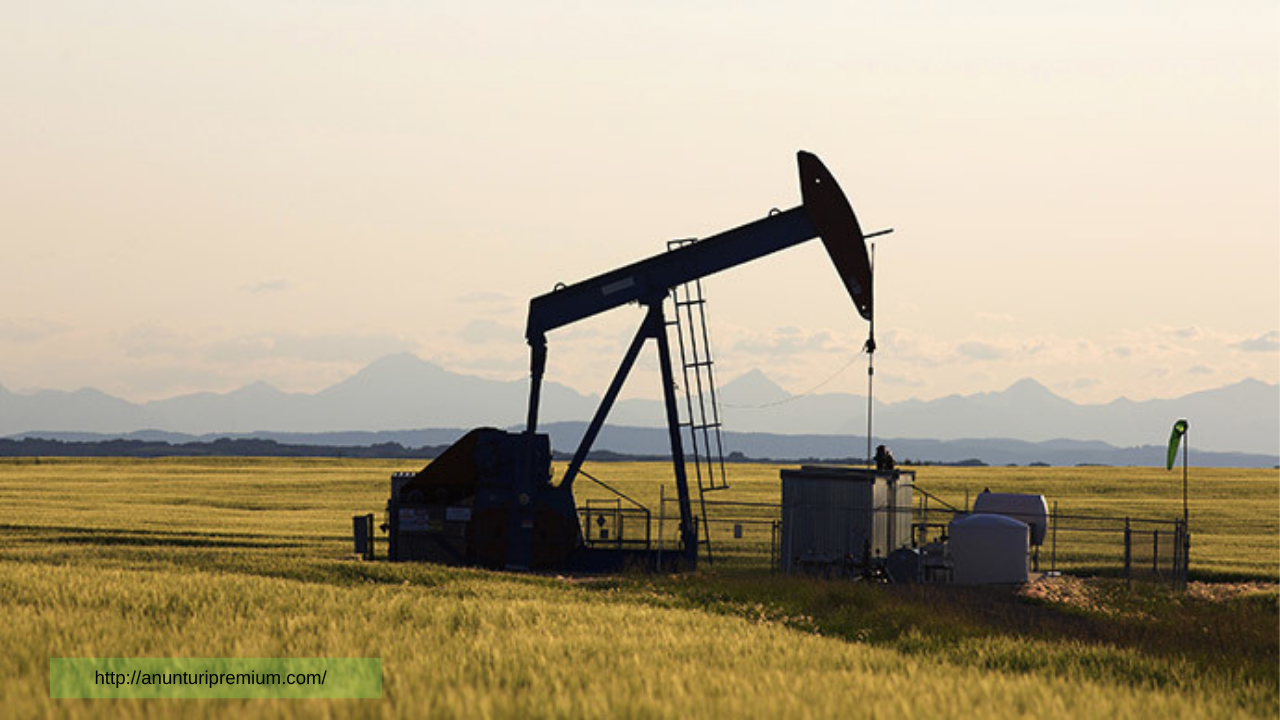
The oil sands of Alberta are often seen as a land of opportunity, where workers from across Canada seek stable jobs and high wages. Yet behind the promise of financial security lies a hidden struggle. Many oil sands workers face long, lonely shifts in remote camps, cut off from family and support systems. In this environment, stress and isolation can become overwhelming, leading some to turn to substances as a dangerous escape. Addiction in Alberta’s oil workforce is a growing concern that demands compassion, understanding, and access to meaningful recovery options.
The Isolated Life of Oil Sands Camps
Oil sands jobs are physically demanding, with shifts that often last 12 hours or more for weeks at a time. Workers live in camps located in isolated regions, where social interaction and recreational opportunities are limited. Over time, this isolation can create feelings of loneliness, anxiety, and disconnection from normal life.
Without regular contact with loved ones, many workers begin to feel emotionally detached, which makes the pressures of the job even harder to manage. In these conditions, substances can appear to offer temporary relief, even though they often make the underlying issues worse.
Stress, Fatigue, and Risky Coping Mechanisms
The oil industry is high stakes. Mistakes can lead to injury, financial loss, or even loss of life. Workers carry a constant sense of responsibility, while also managing long hours, fatigue, and harsh environmental conditions. When these stressors combine, many workers seek unhealthy coping mechanisms.
Alcohol, opioids, methamphetamine, and cocaine are commonly reported substances in oil camps. Stimulants may be used to push through exhaustion, while depressants are turned to as a way to unwind after grueling shifts. While these escapes may provide short-term relief, they often spiral into dependency, fueling a cycle of addiction that affects not only the worker but also their family and community.
The Hidden Mental Health Crisis
Addiction in the oil sands cannot be separated from mental health. Many workers experience depression, anxiety, and even symptoms of trauma due to the stressful and isolating nature of the job. Unfortunately, stigma still surrounds mental health challenges in these environments, making workers hesitant to speak up or seek help.
Without intervention, untreated mental health struggles often lead to substance abuse, creating a cycle that feels impossible to escape. Breaking that cycle requires accessible, holistic support that addresses both the addiction and the emotional pain driving it.
Pathways to Healing and Recovery
Recovery begins with compassionate, individualized care. For some workers, inpatient treatment provides a safe and structured environment to step away from the pressures of camp life. For others, outpatient care allows them to continue working while receiving professional support.
Holistic approaches to recovery consider the whole person, not just the addiction. This includes medical treatment, counseling, nutrition, fitness, mindfulness practices, and faith-based programs for those who value spiritual healing. By treating both the body and the mind, individuals can build healthier coping skills and begin to reconnect with a sense of purpose.
Taking the First Step
Addiction in Alberta’s oil workforce is not just a personal struggle. It is a public health issue that affects families, communities, and the stability of the industry itself. The good news is that recovery is possible, and help is available.
At Anunturi Premium, we understand the unique challenges faced by oil sands workers. Our addiction recovery and mental health programs are designed to meet each individual where they are, offering compassionate, personalized care that leads to lasting change. Whether through inpatient treatment, outpatient programs, or holistic healing strategies, our goal is to help people reclaim their lives and break free from the cycle of addiction.
If you or someone you love is struggling with addiction in the oil sands, know that you do not have to face it alone. Reach out today and take the first step toward healing, hope, and a brighter future.