Beyond the Job Site: Understanding Addiction Risks in Alberta’s Oil Sands Workforce

Addiction in Alberta’s oil sands workforce is about more than substance use on the job. It is a complex issue influenced by stress, isolation, mental health challenges, and the demanding realities of remote industrial work. Many workers enter the industry seeking financial opportunity and stability, but the pressures that come with long shifts and time away from home can gradually affect emotional and physical wellbeing. Understanding these risks is essential for creating effective pathways to recovery and helping individuals regain control of their lives.

The Unique Challenges Facing Oil Sands Workers

Oil sands employees often work in environments that are physically demanding and emotionally exhausting. Over time, these conditions can increase vulnerability to addiction and mental health struggles.

Long Rotations and Isolation

One of the biggest challenges in the oil sands industry is prolonged separation from family and support systems. Workers may spend weeks in remote camps with limited personal connection and little emotional support. This isolation can lead to loneliness, anxiety, and depression, which may increase the risk of turning to substances for relief.

High Pressure Work Environments

Oil sands work requires constant attention to safety, productivity, and physical performance. The pressure to meet expectations while working long hours can create chronic stress. Without healthy coping strategies, some individuals may rely on alcohol or drugs to relax or escape emotional strain.

Physical Pain and Fatigue

The physical demands of oil sands jobs can lead to injury, chronic pain, and exhaustion. In some cases, prescription medications used for pain management may contribute to dependency if proper support and monitoring are not in place.

Workplace Culture and Social Influence

In some environments, substance use may become normalized as part of social interaction after long shifts. This culture can make it harder for workers to recognize when casual use has become a serious problem.

The Connection Between Mental Health and Addiction

Mental health and addiction are deeply connected, especially in high stress industries like the oil sands.

Anxiety and Depression

Constant stress, fatigue, and time away from loved ones can contribute to anxiety and depression. When these mental health challenges go untreated, substance use may become a way to self-medicate emotional discomfort.

Burnout and Emotional Exhaustion

Burnout is common among workers who consistently push through demanding schedules without enough time to recover mentally or physically. Emotional exhaustion can increase impulsive behaviors and reduce the ability to cope in healthy ways.

Trauma and Unresolved Emotional Stress

Some workers may experience workplace accidents, emotional trauma, or ongoing personal stress that remains unresolved. Without professional support, these experiences can contribute to addiction and other mental health conditions.

Effective Approaches to Addiction Recovery

Recovery requires more than simply stopping substance use. It involves addressing the emotional, physical, and psychological factors that contribute to addiction.

Inpatient and Outpatient Treatment

Inpatient treatment programs provide a safe and structured environment where individuals can focus fully on recovery. Outpatient programs offer flexibility for workers who need continued support while balancing family or work responsibilities. Both options are valuable depending on individual circumstances.

Integrated Mental Health Care

Treating addiction without addressing mental health often leaves underlying problems unresolved. Comprehensive care includes therapy, counseling, and support for anxiety, depression, trauma, and stress management.

Holistic and Faith Based Recovery

Holistic treatment focuses on healing the whole person. Physical wellness, mindfulness, nutrition, and healthy lifestyle habits all support long term recovery. Faith based approaches can also offer comfort, guidance, and a renewed sense of purpose for those who value spiritual support.

Individualized Treatment Plans

Every worker has a different experience and set of challenges. Personalized treatment plans consider factors such as work schedules, family life, mental health history, and personal recovery goals. This individualized approach creates a stronger foundation for lasting change.

Supporting Recovery Beyond Treatment

Long term recovery is strengthened by ongoing support. Family involvement, peer support groups, and continued counseling help individuals maintain progress and avoid relapse. Employers can also contribute by promoting mental health awareness, reducing stigma, and encouraging workers to seek help when needed.

Conclusion

Addiction risks in Alberta’s oil sands workforce extend far beyond the job site. Isolation, stress, physical strain, and mental health challenges all contribute to substance use issues that can affect workers and their families. However, with compassionate care, personalized treatment, and holistic support, recovery is possible.

If you or someone you care about is struggling with addiction or mental health challenges related to oil sands work, seeking professional help can be the beginning of meaningful change. Healing starts with support, understanding, and the willingness to take the first step forward.
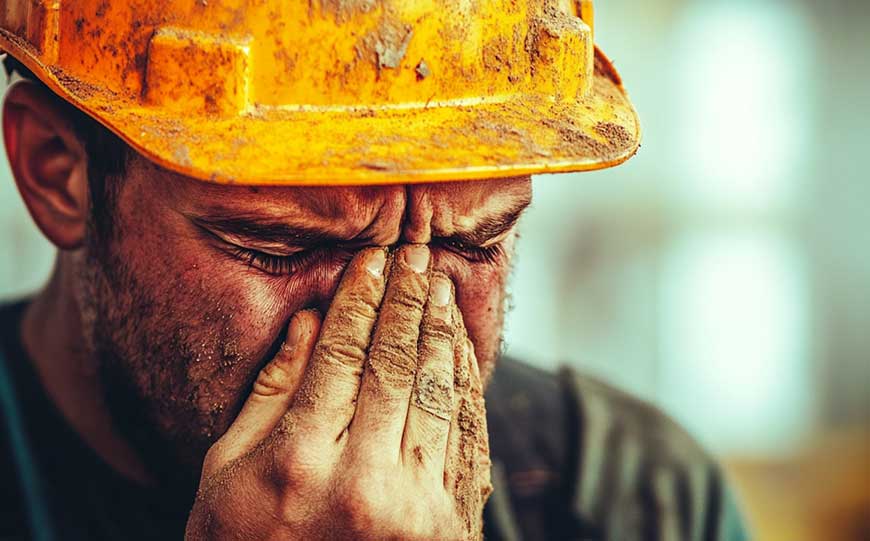
Why Substance Use Is Rising in the Oil Sands and How Recovery Can Begin

Substance use in Alberta’s oil sands is a growing concern that reflects more than individual choices. It is deeply connected to working conditions, mental health pressures, and lifestyle challenges unique to remote industrial environments. While oil sands work provides financial stability and opportunity, it also brings isolation, physical strain, and emotional stress that can increase vulnerability to addiction. The encouraging truth is that recovery is absolutely possible, especially when treatment is compassionate, structured, and tailored to the individual.

Understanding Why Substance Use Is Increasing in Oil Sands Communities

To address addiction effectively, it is important to understand the real-world factors contributing to its rise among oil sands workers.

Isolation from Family and Social Support

Many workers spend long periods in remote camps, away from family and community. This separation can lead to loneliness and emotional disconnection. Over time, these feelings can build and create conditions where alcohol or drugs are used as a coping mechanism to manage stress or boredom.

High Stress Work Environment

Oil sands work is physically demanding and mentally intense. Long shifts, safety responsibilities, and productivity expectations create constant pressure. Without healthy coping tools, stress can accumulate and increase the likelihood of substance use as a form of temporary relief.

Physical Pain and Fatigue

Injury risk is high in this industry. Workers often experience chronic pain, fatigue, and exhaustion. Prescription medications may be necessary for recovery, but without proper monitoring and support, they can sometimes lead to dependency or misuse.

Limited Access to Mental Health Support

Remote work locations can make it difficult to access consistent mental health care. When emotional challenges such as anxiety, depression, or trauma go unaddressed, substance use can become a way to self-medicate.

The Connection Between Mental Health and Addiction

Addiction rarely exists on its own. In oil sands communities, it is often linked to underlying mental health challenges.

Anxiety, Depression, and Burnout

Long-term stress and isolation can contribute to anxiety and depression. Burnout is also common among workers who are constantly pushing through physical and emotional fatigue. These conditions can increase vulnerability to substance use.

Self-Medication Patterns

Many individuals begin using substances not to get high, but to cope. Alcohol or drugs may seem to provide temporary relief from stress, pain, or emotional discomfort. Unfortunately, this often leads to a cycle where symptoms worsen over time.

How Recovery Can Begin

Recovery is not only possible, it is achievable with the right support system and treatment approach. Effective recovery focuses on the whole person, not just the substance use.

Inpatient and Outpatient Treatment Options

Inpatient care provides a structured environment where individuals can focus entirely on healing, away from workplace stressors and triggers. Outpatient programs offer flexibility for those who need to continue working or managing family responsibilities while receiving ongoing care.

Integrated Mental Health and Addiction Treatment

Because addiction and mental health are closely connected, treatment must address both simultaneously. Therapy, counseling, and psychiatric support help individuals understand underlying issues and develop healthier coping strategies.

Holistic Healing Approaches

Holistic care focuses on restoring balance in mind, body, and spirit. This may include stress management techniques, physical wellness support, mindfulness practices, and lifestyle changes that promote long-term recovery.

Faith Based Support When Needed

For individuals who value spiritual guidance, faith based recovery can provide meaning, encouragement, and strength. This approach can complement clinical treatment and help individuals build a deeper sense of purpose.

Personalized Recovery Plans

Every individual’s situation is different. Personalized treatment plans take into account work schedules, family needs, mental health history, and personal goals. This individualized approach improves engagement and long-term success in recovery.

Supporting Long-Term Recovery

Recovery continues long after formal treatment ends. Ongoing counseling, peer support groups, and strong family involvement help maintain progress. Employers can also play a role by encouraging mental health awareness and reducing stigma in the workplace.

Conclusion

The rise in substance use within Alberta’s oil sands is a complex issue shaped by environment, stress, and isolation. However, it is not without solutions. With compassionate care, integrated mental health treatment, and individualized recovery plans, workers can break free from addiction and rebuild their lives.

If you or someone you love is struggling with substance use or mental health challenges related to oil sands work, reaching out for professional support is the first step toward healing. Recovery is possible, and a healthier, more stable future can begin today.

The Reality of Addiction in Alberta’s Oil Sands: What Workers and Families Need to Know

Addiction in Alberta’s oil sands is a serious and often overlooked issue that affects not only workers but also their families and communities. While the industry provides stable employment and strong income opportunities, the working conditions can be intense. Long shifts, remote locations, physical strain, and emotional isolation all contribute to stress that, for some, leads to substance use. Understanding this reality is the first step toward meaningful prevention, early intervention, and effective recovery support.

Understanding the Environment Behind Oil Sands Addiction

The oil sands workforce operates in a unique environment that brings both opportunity and pressure. These conditions can gradually impact mental health and increase vulnerability to addiction if not properly addressed.

Isolation from Family and Support Systems

Workers often spend weeks at a time in remote camps, far from family, friends, and familiar routines. This separation can lead to loneliness and emotional disconnection. Over time, isolation may contribute to anxiety, depression, or emotional exhaustion. In some cases, alcohol or drugs are used as a way to cope with these feelings.

High Stress and Demanding Work Conditions

Oil sands jobs are physically demanding and require constant attention to safety and performance. Long hours and intense workloads can create chronic stress. Without healthy coping strategies, some individuals may turn to substances as a way to unwind or manage pressure after shifts.

Physical Strain and Pain Management

Injuries and chronic pain are common in physically intensive roles. Prescription medications may be necessary for recovery, but without proper oversight and support, they can sometimes lead to dependency. Addressing both physical and emotional health is essential in preventing long term substance use issues.

Recognizing the Signs of Addiction

Addiction often develops gradually, making early recognition important for effective intervention. Families, coworkers, and employers should be aware of warning signs such as:

  • Changes in mood or behavior
  • Withdrawal from family or social interaction
  • Declining work performance or attendance
  • Increased secrecy or defensiveness
  • Physical signs such as fatigue or unexplained injuries

Early awareness allows for earlier support, which significantly improves recovery outcomes.

How Addiction Impacts Families

Addiction in the oil sands does not only affect the individual worker. Families often experience emotional stress, financial strain, and uncertainty. Communication may break down, and trust can become difficult to maintain. However, families also play a powerful role in recovery when they are supported with the right tools and education.

Pathways to Recovery and Healing

Recovery is possible with the right combination of care, structure, and support. Effective treatment must address both addiction and the underlying mental health challenges that contribute to it.

Inpatient and Outpatient Treatment Options

Inpatient programs provide a structured environment where individuals can focus fully on recovery away from workplace pressures and triggers. Outpatient programs offer flexibility, allowing individuals to continue working or caring for family while receiving ongoing support. Both approaches are valuable depending on individual needs.

Integrated Mental Health Care

Addiction is often connected to mental health conditions such as anxiety, depression, or trauma. Treating both simultaneously leads to stronger, more sustainable recovery outcomes. Counseling, therapy, and psychiatric support help individuals develop healthier coping strategies.

Holistic and Faith Based Support

Holistic treatment focuses on healing the whole person, including physical, emotional, and spiritual wellbeing. Approaches such as mindfulness, stress management, and lifestyle support help build long term resilience. Faith based care can also provide meaning, hope, and encouragement for those who seek spiritual guidance during recovery.

Personalized Treatment Plans

Every individual’s experience with addiction is different. Personalized treatment plans consider work schedules, family responsibilities, mental health history, and personal goals. This individualized approach ensures that care is practical, relevant, and sustainable.

Supporting Long Term Recovery

Recovery does not end after treatment. Ongoing support is essential for maintaining progress and preventing relapse. Family involvement, peer support groups, and continued counseling all play an important role in long term success. Employers can also support recovery by promoting mental health awareness and reducing stigma in the workplace.

Conclusion

The reality of addiction in Alberta’s oil sands is complex, but it is not without hope. With greater awareness, early intervention, and compassionate, individualized care, workers and families can move toward healing and stability. Recovery is not only possible, it is achievable with the right support system in place.

If you or someone you love is struggling with substance use or mental health challenges related to oil sands work, reaching out for professional help is the first step. With the right treatment and support, a healthier and more balanced future is within reach.

A Path to Healing: Holistic and Personalized Addiction Care for Oil Sands Workers

For many individuals working in Alberta’s oil sands, the path to success can come with hidden personal challenges. Long rotations, remote job sites, physical strain, and time away from family can affect both mental health and overall wellbeing. Over time, these pressures may lead some workers to rely on alcohol or substances as a way to cope. The good news is that recovery is possible. With holistic and personalized addiction care, oil sands workers can move toward lasting healing, renewed purpose, and a healthier future.

Understanding the Unique Needs of Oil Sands Workers

Addiction in oil sands communities does not develop in isolation. It is often influenced by the demanding conditions of the work environment and the emotional impact of extended time away from home.

Isolation and Emotional Disconnection

Living in remote camps for weeks at a time can lead to feelings of loneliness and disconnection. Missing important family moments and lacking daily social interaction can take a toll on emotional health. Without strong coping strategies, some workers turn to substances as a way to manage these feelings.

High Stress and Physical Demands

Oil sands work requires endurance, focus, and resilience. Long hours, safety pressures, and physically demanding tasks contribute to stress and fatigue. Injuries and chronic pain are also common, which can lead to reliance on prescription medications or other substances if not properly managed.

The Need for Flexible and Accessible Care

Because of rotational schedules, many workers need treatment options that fit their unique lifestyle. Recovery programs must be adaptable, accessible, and designed to support individuals both during and after their time in the field.

What Holistic Addiction Care Looks Like

Holistic addiction care focuses on treating the whole person, not just the symptoms of substance use. This approach supports long term recovery by addressing the underlying factors that contribute to addiction.

Physical Health and Wellness

Restoring physical health is a key part of recovery. Proper nutrition, exercise, and sleep support the body’s healing process and improve overall energy levels. For workers returning to physically demanding jobs, building physical resilience is especially important.

Emotional and Mental Health Support

Therapy and counseling help individuals explore the root causes of addiction, including stress, anxiety, depression, or trauma. Learning healthy coping skills allows workers to manage challenges without turning to substances.

Spiritual and Faith Based Guidance

For many individuals, spiritual connection plays an important role in recovery. Faith based support can provide a sense of purpose, hope, and accountability. When combined with clinical care, this approach strengthens emotional resilience and supports lasting change.

The Power of Personalized Treatment Plans

No two recovery journeys are the same. Personalized addiction treatment ensures that care is tailored to the individual’s needs, goals, and circumstances.

Adapting to Work Schedules

Customized treatment plans consider rotational work schedules and time away from home. This flexibility allows workers to engage in treatment without sacrificing their responsibilities.

Inpatient and Outpatient Options

Inpatient programs offer a structured environment where individuals can focus fully on recovery. Outpatient care provides ongoing support while allowing individuals to maintain work and family commitments. Having access to both options ensures that treatment can evolve as recovery progresses.

Addressing Co Occurring Conditions

Many individuals struggling with addiction also experience mental health challenges. Integrated care addresses both substance use and mental health conditions at the same time, improving outcomes and reducing the risk of relapse.

Building a Strong Foundation for Long Term Recovery

Recovery is not just about stopping substance use. It is about creating a sustainable lifestyle that supports ongoing health and wellbeing.

Developing Healthy Coping Strategies

Learning how to manage stress, navigate relationships, and maintain emotional balance is essential. Practical tools such as mindfulness, communication skills, and stress management techniques help individuals stay grounded.

Strengthening Support Systems

Family involvement, peer support groups, and ongoing counseling play a critical role in maintaining recovery. A strong support network provides encouragement and accountability throughout the journey.

Conclusion

A path to healing is possible for oil sands workers facing addiction. Through holistic and personalized care, individuals can address the root causes of substance use, rebuild their health, and rediscover a sense of purpose. Recovery is not a one size fits all process. It is a journey that requires compassion, expertise, and a commitment to treating the whole person.

If you or someone you care about is struggling with addiction or mental health challenges related to oil sands work, reaching out for professional support is the first step. With the right care and guidance, lasting recovery and a healthier future are within reach.

The Hidden Toll: How Oil Sands Work Influences Mental Health and Addiction

The oil sands industry in Alberta is often viewed through the lens of economic strength and opportunity. However, behind the productivity and long hours lies a hidden reality that affects thousands of workers every day. The demands of remote work, extended rotations, physical strain, and emotional isolation can take a serious toll on mental health. Over time, these pressures can also increase the risk of substance use and addiction. Understanding this connection is essential for building effective, compassionate recovery support that meets workers where they are.

The Mental Health Challenges of Oil Sands Work

Oil sands work environments are unique. While they offer stability and strong income, they also create conditions that can gradually wear down emotional resilience and mental wellbeing.

Isolation from Family and Support Systems

One of the most significant challenges is separation from loved ones. Workers often spend weeks in remote camps, away from family, friends, and community support. This isolation can lead to loneliness, emotional fatigue, and feelings of disconnection. Without healthy coping strategies, some individuals may turn to alcohol or drugs to manage emotional distress.

High Stress and Constant Pressure

Oil sands jobs require focus, precision, and adherence to strict safety standards. The pressure to perform in physically demanding and sometimes hazardous conditions can create ongoing stress. Over time, chronic stress can contribute to anxiety, depression, and burnout, all of which increase vulnerability to substance use.

Physical Strain and Chronic Fatigue

The physical demands of oil sands work are intense. Long shifts, repetitive labor, and exposure to harsh environments often lead to fatigue, injury, and chronic pain. In some cases, workers may rely on prescription medications or substances to manage discomfort, which can develop into dependency if not carefully monitored.

The Link Between Mental Health and Addiction

Mental health and addiction are closely connected. In oil sands communities, substance use is often not the root problem but a response to deeper emotional and psychological strain.

Self Medication and Coping Mechanisms

When stress, anxiety, or depression go untreated, substances may seem like a quick way to cope. Alcohol or drugs can temporarily numb emotional pain, but over time they often worsen mental health and create a cycle of dependency that is difficult to break.

Trauma and Emotional Burnout

Exposure to workplace incidents, long-term stress, or cumulative emotional pressure can contribute to trauma responses. Burnout is also common among workers who push through exhaustion without adequate recovery time. Both conditions can significantly increase the risk of addiction if left unaddressed.

Why Comprehensive Treatment Matters

Effective recovery requires more than addressing substance use alone. It involves understanding and treating the whole person.

Inpatient and Outpatient Care Options

Inpatient treatment provides a structured, supportive environment where individuals can focus fully on recovery away from daily stressors. Outpatient programs allow individuals to continue working or managing responsibilities while receiving ongoing care. Both options are important depending on the severity of the situation and individual needs.

Integrated Mental Health Treatment

Because addiction and mental health are often intertwined, treatment must address both simultaneously. Therapy, counseling, and psychiatric support help individuals understand underlying emotional challenges and build healthier coping strategies.

Holistic and Faith Based Support

Holistic care focuses on restoring balance in mind, body, and spirit. This may include mindfulness practices, physical wellness strategies, and stress management tools. Faith based support can also provide hope, purpose, and strength for individuals who find comfort in spiritual guidance during recovery.

Personalized Recovery Plans

Every individual’s experience with addiction is different. Personalized treatment plans consider work schedules, family responsibilities, mental health history, and personal goals. This individualized approach helps ensure that recovery strategies are realistic, practical, and sustainable.

Supporting Long Term Recovery

Recovery does not end after treatment. Ongoing support is essential for maintaining progress and preventing relapse. Family involvement, peer support groups, and continued counseling help reinforce healthy habits. Employers also play an important role by promoting mental health awareness and reducing stigma in the workplace.

Conclusion

The hidden toll of oil sands work on mental health and addiction is real, but it is not irreversible. With the right combination of compassionate care, integrated mental health treatment, and individualized recovery planning, workers can heal and rebuild their lives.

If you or someone you love is struggling with substance use or mental health challenges related to oil sands work, reaching out for professional support is a powerful first step. Recovery is possible, and with the right help, a healthier and more balanced future is within reach.

From Struggle to Recovery: Supporting Addiction Treatment in the Oil Sands

Addiction in Alberta’s oil sands is not simply an individual issue. It is often shaped by environment, work conditions, stress, and isolation. Workers in this industry face long rotations, physically demanding labor, and extended time away from family and support systems. Over time, these pressures can lead some individuals toward substance use as a way to cope. The good news is that recovery is possible with the right support. By combining mental health treatment, addiction recovery services, and holistic care, individuals can move from struggle to stability and long term healing.

Understanding the Reality Behind Oil Sands Addiction

To support effective recovery, it is important to understand the real-life conditions that contribute to substance use in oil sands communities.

Isolation from Family and Support Networks

Many oil sands workers spend weeks at a time in remote camps. While these jobs provide financial stability, they often come with emotional distance from loved ones. This isolation can lead to loneliness, emotional fatigue, and increased vulnerability to substance use as a coping mechanism.

High Stress and Demanding Work Conditions

Oil sands jobs require physical endurance, constant attention to safety, and long hours. The pressure to perform in challenging environments can lead to chronic stress. Without healthy coping tools, some individuals may turn to alcohol or drugs to manage tension or unwind after shifts.

Physical Strain and Pain Management

Injuries and physical discomfort are common in this industry. While medical treatment is essential, reliance on pain medication without proper support can sometimes lead to dependency. Addressing physical recovery alongside mental health is critical for long term success.

Why Support Systems Matter in Recovery

Recovery does not happen in isolation. It requires a structured, compassionate support system that addresses the whole person.

Early Intervention and Awareness

Recognizing the early signs of substance use can make a significant difference. Changes in mood, declining work performance, withdrawal from others, and increased secrecy around substance use are all warning signs. Early intervention helps prevent addiction from becoming more severe.

Reducing Stigma in the Workplace

One of the biggest barriers to treatment is stigma. Many workers fear judgment or job consequences if they seek help. Creating a culture where mental health and addiction are treated like any other health condition encourages individuals to reach out sooner and without shame.

Effective Treatment Approaches for Oil Sands Workers

Successful recovery programs are flexible, accessible, and tailored to the needs of each individual.

Inpatient and Outpatient Care Options

Inpatient treatment provides a structured environment where individuals can focus entirely on recovery without external pressures. Outpatient care allows individuals to continue working or managing family responsibilities while attending therapy and support sessions. Both options play an important role depending on the severity of the situation and personal needs.

Integrated Mental Health and Addiction Treatment

Addiction is often linked with underlying mental health conditions such as anxiety, depression, or trauma. Treating both simultaneously improves recovery outcomes and reduces the risk of relapse. Counseling, behavioral therapy, and psychiatric support all contribute to long term healing.

Holistic and Faith Based Healing

Holistic treatment focuses on the entire person, including physical health, emotional balance, and spiritual wellbeing. Practices such as mindfulness, exercise, nutrition support, and stress management build resilience. Faith based approaches can also provide hope, meaning, and strength for individuals seeking spiritual guidance during recovery.

Personalized Recovery Planning

No two recovery journeys are the same. Individualized treatment plans take into account work schedules, family obligations, personal goals, and specific challenges faced in oil sands environments. This personalized approach helps ensure treatment is practical and sustainable.

Building Long Term Recovery and Stability

Recovery does not end after treatment. Ongoing support is essential for maintaining progress and preventing relapse. Support groups, continued counseling, and strong family involvement all play a role in long term success. Employers can also contribute by promoting wellness programs and encouraging open conversations about mental health.

Conclusion

From struggle to recovery, healing is possible for individuals affected by addiction in Alberta’s oil sands. While the challenges are real, they are not insurmountable. With compassionate care, integrated mental health treatment, and personalized recovery plans, workers can rebuild their lives and move toward a healthier future.

If you or someone you care about is struggling with substance use or mental health challenges related to oil sands work, reaching out for professional help is the first step. Support is available, and recovery can begin today with the right guidance and care.

Isolation, Stress, and Substance Use: Challenges for Oil Sands Workers

Alberta’s oil sands provide vital economic opportunities, but they also present unique challenges for the workers who power them. Long rotations, remote living, and physically demanding schedules can contribute to stress, fatigue, and emotional strain. In some cases, these pressures increase vulnerability to substance use and addiction. Understanding these challenges is critical for providing compassionate, effective support that addresses both mental health and addiction.

The Pressures of Life in Oil Sands Camps

Life in oil sands camps is unlike most workplaces. Workers often face a combination of isolation, high-stress expectations, and physically demanding tasks that can impact mental health and overall well-being.

Isolation from Family and Community

Many workers live in remote locations, separated from family and friends for weeks at a time. This isolation can lead to loneliness, anxiety, and depression. Without strong coping mechanisms or support networks, some workers turn to alcohol or drugs to manage these feelings, creating a pathway to substance dependence.

Long Hours and Physical Demands

Oil sands work often requires extended shifts, intense physical labor, and constant attention to safety. Fatigue and chronic pain are common, and the stress of maintaining productivity while protecting oneself from injury can contribute to emotional strain. Some workers may misuse prescription medications or alcohol to manage pain or unwind, which increases the risk of addiction.

Workplace Culture and Social Norms

In certain camps, social gatherings may involve drinking or casual drug use after long shifts. A culture that normalizes these behaviors can make it harder for workers to recognize early signs of substance use problems or seek help. Peer influence and the “tough it out” mentality can delay intervention and exacerbate challenges.

Recognizing Early Warning Signs

Early identification is key to preventing addiction from taking hold. Some signs to watch for include:

  • Frequent mood changes, irritability, or withdrawal from social interaction
  • Decreased work performance or absenteeism
  • Physical symptoms such as fatigue, weight changes, or unexplained injuries
  • Increased secrecy or defensiveness about substance use

Supervisors, coworkers, and family members can play a critical role by noticing these signs and encouraging professional help.

Approaches to Supporting Recovery

Effective recovery programs for oil sands workers focus on both the individual and the environment, addressing mental health, substance use, and lifestyle factors.

Inpatient and Outpatient Care

Inpatient treatment provides a structured environment where individuals can focus entirely on recovery. Outpatient programs allow workers to maintain work and family responsibilities while accessing counseling and therapy. Both options are essential for flexible, long-term care.

Holistic and Faith-Based Programs

Holistic approaches address the whole person, supporting physical, emotional, and spiritual well-being. Nutrition, exercise, stress management, and mindfulness practices complement traditional therapy. Faith-based programs may provide purpose, accountability, and emotional support, helping individuals strengthen their recovery journey.

Personalized Treatment Plans

Individualized care considers each worker’s unique circumstances, including rotation schedules, family obligations, and personal goals. Customized treatment plans increase engagement and make recovery strategies more practical and effective in daily life.

Integrated Mental Health Support

Addiction often coexists with mental health challenges such as anxiety, depression, or trauma. Integrated care ensures both issues are addressed simultaneously, providing counseling, coping skills, and therapeutic support to reduce the risk of relapse.

Creating a Supportive Environment

Recovery extends beyond the treatment program. Employers, families, and community networks can foster an environment of support and understanding. Open communication, reduced stigma, and encouragement make it easier for workers to maintain sobriety and build resilience for the future.

Conclusion

Addiction in Alberta’s oil sands is a serious challenge, but it is not insurmountable. Understanding the unique pressures of remote work, isolation, and stress is the first step toward compassionate and effective recovery. With holistic, faith-based, and individualized care, workers can regain control, rebuild relationships, and find renewed purpose.

If you or someone you care about is struggling with substance use or mental health challenges in the oil sands, professional support is available. Reaching out today can guide the journey toward recovery, health, and a more balanced life.

Behind the Pumps: Understanding Addiction in Alberta’s Oil Sands Communities

Alberta’s oil sands provide stable employment and economic opportunity, yet they also create unique challenges for the workers who keep them running. Long shifts, remote living, high physical demands, and isolation from family and friends can contribute to stress, fatigue, and, in some cases, substance use. Addiction in these communities is a real concern, but it is also preventable and treatable. Understanding the pressures that oil sands workers face is the first step toward compassionate, effective recovery solutions.

The Unique Pressures of Oil Sands Work

Life in oil sands camps is unlike most other workplaces. The combination of remote living, long rotations, and high-stress expectations can impact mental health and increase vulnerability to addiction.

Isolation and Loneliness

Many oil sands workers spend weeks away from home, separated from their support networks. The emotional strain of this isolation can lead to anxiety, depression, and feelings of disconnection. Without healthy coping mechanisms, some workers may turn to alcohol or drugs to manage these emotions, which can develop into a cycle of dependence over time.

Physical Demands and Stress

Oil sands jobs are physically intense and require constant attention to safety protocols. Injuries, chronic pain, and fatigue are common, and some workers may misuse prescription medications as a way to manage discomfort. In addition, the stress of meeting production goals and maintaining safety standards can contribute to mental strain, making substance use a seemingly convenient coping tool.

Workplace Culture and Social Norms

Some camps have social environments where drinking or casual drug use is normalized as a way to unwind after long shifts. Peer pressure and a culture of “toughing it out” can make it difficult for workers to recognize early signs of addiction or seek help before problems escalate.

Recognizing the Signs of Addiction

Early intervention is essential for successful recovery. Common warning signs of substance use issues include:

  • Changes in mood, including irritability or withdrawal from social interaction
  • Declining work performance or absenteeism
  • Physical symptoms such as fatigue, unexplained injuries, or weight changes
  • Increased secrecy or defensiveness about alcohol or drug use

Supervisors, coworkers, and family members who notice these signs can encourage individuals to seek professional help before addiction worsens.

Pathways to Recovery

Effective addiction recovery programs address both substance use and the underlying factors that contribute to it.

Inpatient and Outpatient Treatment

Inpatient programs provide a structured environment where individuals can focus entirely on recovery, free from workplace and life pressures. Outpatient programs offer flexibility, allowing workers to attend therapy and counseling while maintaining their work or family responsibilities. Access to both levels of care ensures treatment meets individual needs.

Integrated Mental Health Support

Substance use and mental health challenges are often interconnected. Anxiety, depression, and trauma are common among oil sands workers and can drive or worsen addiction. Integrated care addresses both addiction and mental health, providing therapy, counseling, and coping strategies to support long-term wellness.

Holistic and Faith-Based Approaches

Holistic treatment considers emotional, physical, and spiritual well-being. Nutrition, stress management, exercise, and mindfulness are key components of sustainable recovery. Faith-based programs offer additional support, purpose, and accountability for individuals seeking spiritual guidance during their healing journey.

Individualized Treatment Plans

No two recovery journeys are the same. Personalized care plans consider work schedules, rotation cycles, family responsibilities, and personal goals, helping individuals engage fully with their recovery process and apply strategies in real-world settings.

Supporting Recovery Beyond the Clinic

Recovery extends beyond the treatment program. Families, employers, and community networks play a vital role in creating supportive environments. Encouragement, open communication, and reduced stigma allow workers to maintain recovery and build resilience for the long term.

Conclusion

Addiction in Alberta’s oil sands communities is a serious but addressable challenge. By understanding the unique pressures of oil sands work and providing compassionate, holistic, and individualized care, workers can reclaim their health, relationships, and purpose.

If you or someone you love is struggling with substance use or mental health challenges in an oil sands community, seeking professional support today can be life-changing. Recovery is possible, and compassionate, expert care can guide the journey toward a healthier, more balanced future.

A Whole-Person Approach to Addiction in Alberta’s Oil Sands

Addiction in Alberta’s oil sands is a complex challenge that goes beyond substance use alone. Workers face long rotations, high-stress conditions, physical strain, and isolation from family and community. These factors can contribute to anxiety, depression, and dependence on alcohol or drugs. Addressing addiction effectively requires a whole-person approach—one that considers mental, physical, and spiritual well-being alongside substance use. By treating the individual as a complete person, recovery becomes more sustainable, empowering workers to regain balance, health, and purpose.

Understanding the Unique Challenges of Oil Sands Work

The oil sands are not just a workplace; they are an environment with unique pressures that can influence mental health and increase vulnerability to addiction.

Isolation and Emotional Strain

Workers often live in remote camps for weeks at a time, separated from loved ones and familiar routines. This separation can lead to feelings of loneliness, anxiety, and emotional fatigue. Without healthy coping strategies, some turn to alcohol or drugs to manage these emotions, creating patterns that can evolve into addiction.

High Stress and Physical Demands

The demanding nature of oil sands work can take a toll on both the body and mind. Long shifts, safety pressures, and physically intensive tasks contribute to chronic stress and fatigue. Injuries and persistent pain are common, and in some cases, prescription medications may become misused as workers attempt to manage discomfort while maintaining performance.

Workplace Culture and Substance Use Norms

In certain environments, social norms may encourage drinking or casual drug use as a form of relaxation or bonding after long workdays. These pressures can make it difficult for individuals to recognize early signs of addiction or to seek help before the problem escalates.

Why a Whole-Person Approach Matters

Addressing addiction in oil sands communities requires more than treating substance use alone. A comprehensive, compassionate strategy considers the full spectrum of an individual’s needs.

Integrating Mental Health and Addiction Care

Substance use and mental health are closely connected. Anxiety, depression, and trauma can drive or exacerbate addiction. Integrated treatment ensures that both the underlying mental health challenges and the addiction itself are addressed simultaneously, reducing the risk of relapse and fostering long-term wellness.

Holistic and Faith-Based Approaches

Holistic care looks beyond symptoms to restore balance in body, mind, and spirit. Nutrition, stress management, exercise, and coping skills all support sustained recovery. Faith-based programs may also provide a sense of purpose, accountability, and hope, reinforcing the emotional and spiritual dimensions of healing.

Personalized Treatment Plans

Each worker’s journey is unique. Personalized care plans consider work schedules, family responsibilities, and personal goals, making treatment practical, realistic, and engaging. Individualized approaches help participants apply recovery strategies in real-world settings, increasing the likelihood of lasting success.

Inpatient and Outpatient Options

Inpatient programs offer structured environments for intensive recovery, while outpatient care allows individuals to maintain work or family commitments while continuing therapy and counseling. Having access to both options ensures that care meets the needs of each individual at every stage of recovery.

Supporting Sustainable Recovery

Recovery extends beyond the treatment facility. Families, employers, and community networks play a critical role in creating environments that encourage healthy choices, reduce stigma, and offer ongoing support. Open communication, understanding, and practical assistance help reinforce recovery and build resilience.

Conclusion

Addiction in Alberta’s oil sands is a serious challenge, but it is not insurmountable. A whole-person approach that combines mental health support, holistic care, faith-based guidance, and individualized treatment provides a path toward lasting recovery. Workers can regain balance, restore relationships, and find purpose both on and off the job.

If you or a loved one is struggling with addiction or mental health challenges related to oil sands work, reaching out to a professional recovery program today is the first step. Compassionate, expert care can guide you toward lasting healing and a renewed sense of hope.

Supporting Oil Sands Workers: Practical Approaches to Substance Abuse Recovery

Working in Alberta’s oil sands can be rewarding, but it comes with unique challenges that can affect mental health and increase the risk of substance use. Long rotations, remote living, physically demanding work, and high stress create conditions that make workers vulnerable to addiction. Supporting recovery in this environment requires strategies that are practical, compassionate, and tailored to the individual. By addressing both mental health and substance use through holistic, faith-based, and personalized care, workers can reclaim their health and stability.

Understanding the Risks for Oil Sands Workers

Substance abuse in oil sands communities is often tied to the demanding nature of the work environment. Recognizing the key risk factors helps families, employers, and workers themselves respond early and effectively.

Isolation and Rotational Schedules

Many workers spend weeks away from family and community, living in remote camps. This separation can create feelings of loneliness, stress, and emotional disconnection. Over time, isolation may lead some workers to use alcohol or drugs as a coping mechanism.

Physical Strain and Pain Management

The physically demanding nature of oil sands work can result in chronic pain, injuries, and fatigue. While prescription medications may help manage pain, misuse or overreliance can develop into substance dependence. Proper medical supervision and healthy lifestyle strategies are essential for preventing addiction.

Workplace Culture and Stress

A workplace culture that normalizes heavy drinking or casual drug use can increase vulnerability to addiction. Combined with high expectations and long shifts, stress levels can escalate, leading workers to seek temporary relief through substances.

Practical Approaches to Recovery

Recovery in oil sands communities requires strategies that are flexible, holistic, and focused on the individual’s needs.

Early Intervention and Education

Awareness is key. Educating workers about the signs of substance abuse and mental health challenges helps them seek help before issues escalate. Open dialogue reduces stigma and encourages early engagement in recovery programs.

Inpatient and Outpatient Treatment Options

Inpatient programs offer a structured, supportive environment for individuals needing intensive care. These programs allow workers to step away from stressors and focus entirely on recovery. Outpatient care provides flexibility, enabling workers to receive therapy and counseling while maintaining work or family responsibilities. Both approaches ensure continuity of care.

Integrated Mental Health Support

Addiction rarely exists in isolation. Anxiety, depression, trauma, and burnout are common among oil sands workers and can drive substance use. Integrated treatment that addresses both addiction and mental health strengthens coping skills and reduces the risk of relapse.

Holistic and Faith-Based Care

Holistic care addresses the whole person, including emotional, physical, and spiritual wellbeing. Mindfulness, exercise, nutrition, and lifestyle adjustments support sustainable recovery. Faith-based programs can offer additional meaning, purpose, and encouragement for individuals who seek spiritual support.

Personalized Treatment Plans

Every recovery journey is unique. Individualized care plans consider work rotations, family responsibilities, personal goals, and mental health needs. Tailoring treatment to the individual increases engagement and long-term success.

Supporting Recovery Beyond Treatment

Recovery is most effective when reinforced by families, communities, and employers. Open communication, understanding, and encouragement can make a meaningful difference. Employers can implement wellness initiatives, provide access to counseling, and reduce stigma to foster a supportive environment.

Conclusion

Substance abuse in Alberta’s oil sands is a complex but manageable challenge. With practical strategies, compassionate care, and a focus on the whole person, recovery is achievable. Workers can regain balance, health, and purpose while building the skills to navigate stress and maintain sobriety.

If you or someone you love is struggling with substance use or mental health challenges in the oil sands, reaching out for professional addiction recovery support is the first step. Individualized, holistic treatment can guide the journey toward lasting healing and a renewed sense of hope.