Life in the Oil Camps: The Hidden Mental Health Crisis of Canada’s Oil Sands

The oil sands of Canada have long been a source of economic opportunity, drawing workers from across the country with the promise of high wages and steady employment. Yet behind the steady hum of machinery and the promise of prosperity lies a reality that many never see. Life in the remote oil camps is often marked by isolation, stress, and an alarming rise in mental health and addiction struggles. For those working in these challenging conditions, the emotional toll can be just as heavy as the physical demands.

The Isolated Reality of Oil Sands Workers

Many oil sands employees work in camps far from home, with shifts that last for weeks before they can return to their families. These camps are often located in remote areas with limited access to recreational activities, social outlets, or mental health support. The long hours and physically demanding labor leave workers with little energy for healthy coping strategies. As the days turn into weeks, loneliness and disconnection begin to set in.

In this environment, feelings of anxiety and depression are common. Workers may experience a sense of emotional numbness or detachment from their normal lives. Without access to adequate mental health resources, these issues can escalate quickly, leading some to turn to alcohol or drugs as a way to cope.

How Stress and Addiction Intersect

The oil industry is high-pressure by nature. Safety-sensitive roles mean that mistakes can have serious consequences, adding another layer of stress. Many workers feel the need to perform at their peak despite fatigue and emotional strain. Unfortunately, this combination of exhaustion, stress, and isolation creates a fertile ground for substance abuse.

Stimulants may be used to maintain alertness during long shifts, while alcohol or depressants are often turned to as a form of relaxation once the workday ends. Over time, these coping methods can develop into dependency, further impacting mental health and job performance.

The Need for Holistic and Individualized Care

Addressing mental health and addiction in the oil sands requires more than just a quick fix. Effective recovery support must consider the whole person, including their emotional, physical, and spiritual needs. Holistic treatment approaches can include therapy, medical support, fitness and nutrition guidance, mindfulness practices, and faith-based programs for those who value spiritual healing.

Inpatient treatment can be especially helpful for workers who need a safe space to step away from the pressures of camp life, while outpatient care provides flexibility for those balancing work schedules with recovery. An individualized care plan ensures that treatment is tailored to each person’s unique circumstances and goals.

Building a Culture of Support

Employers and communities have a role to play in breaking the stigma around mental health and addiction. Providing access to counseling, peer support groups, and mental health education in the camps can help workers seek help before their struggles escalate. Encouraging open conversations about these challenges can also make a significant difference.

Taking the First Step Toward Healing

If you or someone you know is struggling with addiction or mental health challenges in the oil sands, it is important to reach out for help. Compassionate, professional support is available, and recovery is possible. At Anunturi Premium, we offer personalized addiction recovery and mental health treatment programs that honor the individual while addressing the root causes of their struggles. Whether through inpatient or outpatient care, our holistic, faith-based approach is designed to help you heal and reclaim your life.

Your mental health matters as much as your work. Take the first step today and discover that a healthier, more balanced life is within reach.


Trapped in the Cycle: Mental Health and Addiction Among Oil Sands Workers

Alberta’s oil sands are a symbol of economic prosperity, drawing thousands of workers from across Canada with the promise of high wages and steady employment. But beneath the surface of success lies a mounting crisis. For many oil sands workers, the harsh reality of isolation, long hours, and emotional stress has created a vicious cycle of mental health challenges and addiction. Trapped between demanding work conditions and limited access to support, workers are increasingly struggling in silence.

The Pressure-Cooker Environment

Life in the oil sands is physically and mentally demanding. Workers often endure 12-hour shifts for several consecutive days, living in remote camps far removed from family, community, and support networks. The isolation of these camps—combined with the repetitive nature of the work and harsh environmental conditions—creates an atmosphere where mental health can quickly deteriorate.

Workers are under constant pressure to perform in safety-sensitive environments where mistakes can be deadly. This ongoing stress, compounded by job insecurity during economic downturns, takes a heavy toll. For many, symptoms of anxiety, depression, and burnout become part of everyday life.

Turning to Substances for Relief

In the absence of meaningful mental health resources, many workers turn to substances as a way to cope. Alcohol, opioids, methamphetamine, and cocaine are commonly used, often starting recreationally but evolving into dependency. Stimulants help workers stay awake and push through exhaustion, while depressants provide temporary relief from stress and emotional pain.

The use of substances may seem like a personal choice, but it is often a symptom of deeper systemic problems. Without healthy outlets for stress and without accessible support, many workers see no other option. Over time, addiction becomes another part of the cycle—masking deeper mental health struggles but never solving them.

The Consequences Are Widespread

The impact of mental health issues and addiction among oil sands workers extends far beyond the job site. Workplace accidents, absenteeism, and declining productivity affect the entire industry. Meanwhile, workers’ families suffer emotionally and financially, as addiction and mental illness strain relationships and destabilize home life.

Communities surrounding the oil sands, such as Fort McMurray, have seen the social effects as well—rising rates of addiction, overdose, crime, and homelessness. Emergency services and healthcare providers in these regions are often stretched thin, struggling to meet the growing demand for mental health and addiction support.

Breaking the Cycle

To break this dangerous cycle, action must be taken at every level. Employers must recognize mental health as a workplace priority, offering resources such as on-site counseling, peer support programs, and training to identify early signs of distress. Shifting the workplace culture to one that encourages openness rather than silence is critical.

Governments and health authorities must also increase investment in mental health and addiction services in northern and remote regions. Expanded treatment access, telehealth options, and community outreach are essential to supporting workers who need help but face geographical and logistical barriers.

Conclusion

Oil sands workers power a significant part of Canada’s economy, but too many are trapped in a cycle of stress, isolation, and addiction. It’s time to break that cycle—not just with policy changes and programs, but with compassion and commitment to worker well-being. Only then can we create a truly sustainable industry—one where both productivity and people thrive.

Behind the Paycheck: How Isolation and Stress Fuel Addiction in the Oil Sands

Alberta’s oil sands have long been associated with economic opportunity and high-paying jobs. For thousands of workers, employment in the oil sands promises financial security, with salaries often exceeding six figures. However, behind the lucrative paychecks lies a harsh reality: long hours, physical exhaustion, and deep isolation. These conditions have contributed to a growing mental health and addiction crisis that quietly grips many in the industry.

The Isolated Life of Oil Sands Workers

Oil sands work is not your typical nine-to-five job. Workers often spend weeks at a time living in remote camps, far from family, friends, and the comforts of home. These camps are typically located hundreds of kilometers from the nearest city, surrounded by wilderness and industrial equipment. While some camps offer basic recreational amenities, many workers describe life there as monotonous, lonely, and mentally draining.

The rotational schedules—commonly 14 days on, 7 days off—create further distance from normal life. Workers are away during birthdays, anniversaries, and family events. Over time, this separation from loved ones and everyday social interaction fosters feelings of isolation and detachment, which can lead to depression and anxiety.

Stress and Substance Abuse: A Dangerous Mix

The oil sands industry is physically demanding and mentally taxing. Employees operate heavy machinery, work in extreme weather conditions, and face the constant pressure of meeting production quotas. Fatigue, stress, and the fear of layoffs during economic downturns add layers of emotional strain.

For many workers, substances become a way to cope with these challenges. Stimulants like cocaine and methamphetamine are used to stay alert during long shifts, while alcohol, cannabis, and opioids help workers unwind after work. What starts as recreational use can quickly spiral into addiction, especially when combined with chronic stress and limited access to mental health support.

The Hidden Costs of Addiction

Addiction in the oil sands affects more than just the individual worker. Substance abuse can lead to workplace accidents, decreased productivity, and strained relationships both on the job and at home. In safety-sensitive environments, impairment is particularly dangerous, increasing the risk of injuries and fatalities.

Families also bear the emotional and financial burdens of a loved one’s addiction. Marriages suffer, children grow up without consistent parental presence, and home life becomes unstable. Additionally, local communities near oil sands sites have seen increases in crime, homelessness, and overdose deaths related to substance abuse.

Toward a Healthier Industry

Addressing the mental health and addiction crisis in the oil sands requires a cultural shift. Employers must prioritize worker wellness, offering confidential access to counseling, addiction support, and mental health resources. Work camps should provide more recreational and social activities to combat isolation, along with education programs that reduce the stigma surrounding mental health.

Governments and healthcare providers must also play a role by expanding treatment options in Northern Alberta and improving access to telehealth services for workers in remote locations.

Conclusion

The paychecks from the oil sands may be large, but the human costs are often hidden. Isolation, stress, and addiction have created a crisis that cannot be ignored. By recognizing the problem and taking action, Alberta’s oil sands industry can work toward a future where workers thrive—not just financially, but mentally and emotionally as well.

Breaking the Cycle: Addressing Substance Abuse in Alberta’s Resource Economy

Alberta’s resource-based economy—driven largely by oil, gas, and mining—has been a cornerstone of Canadian prosperity for decades. It has created jobs, built communities, and powered national growth. But beneath the surface of this success lies a troubling and persistent issue: substance abuse among workers in the resource sector. For many, the economic cycle of boom and bust is mirrored by a personal cycle of stress, addiction, and relapse. Addressing this crisis is no longer optional—it is essential to the health of both workers and the economy itself.

The Highs and Lows of Resource Work

Resource jobs in Alberta often come with high wages, but they also bring intense physical demands, long hours, and remote work environments. Workers frequently spend weeks away from home, living in camps with limited social interaction and access to support systems. This isolation, combined with job-related stress and fatigue, can create a breeding ground for mental health issues and substance abuse.

During boom periods, when work is plentiful and money is flowing, many workers turn to drugs and alcohol to celebrate, relieve stress, or stay awake through exhausting shifts. When the industry slows down—due to market fluctuations, layoffs, or global crises like COVID-19—the uncertainty and financial strain only worsen the situation, often leading to increased substance use.

A Widespread Crisis

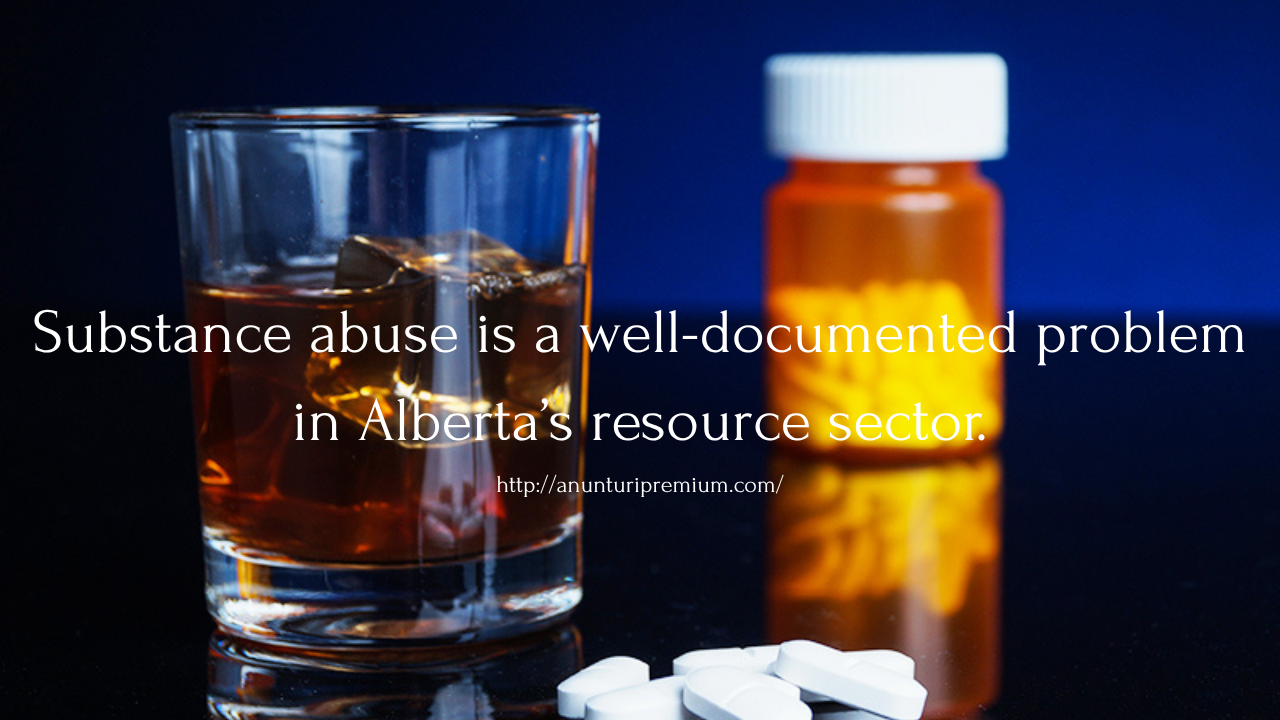
Substance abuse is a well-documented problem in Alberta’s resource sector. Studies and local reports consistently show higher rates of alcohol and drug use among oil and gas workers compared to national averages. Methamphetamine, cocaine, opioids, and alcohol are commonly used—either to enhance performance or to escape the physical and emotional toll of the job.

The consequences are far-reaching. Substance abuse contributes to workplace accidents, absenteeism, declining productivity, and higher turnover rates. It also places enormous pressure on healthcare systems, emergency services, and families. Communities like Fort McMurray, Grande Prairie, and Cold Lake have witnessed spikes in addiction-related incidents, overdoses, and mental health crises.

Breaking the Cycle

Addressing substance abuse in Alberta’s resource economy requires a proactive, multi-layered strategy. First, industry leaders must recognize that addiction is not a personal failing—it is a health issue rooted in working conditions, culture, and access to support. That means implementing mental health initiatives, peer support networks, and confidential addiction treatment programs.

Second, governments must increase funding for addiction services in resource-based regions, ensuring workers can access help when they need it. Mobile outreach units, harm reduction services, and telehealth counseling can help bridge the gap for those in remote or isolated areas.

Finally, breaking the cycle requires a cultural shift. We must challenge the stigma around addiction and mental health in male-dominated, high-pressure industries. Open dialogue, education, and leadership by example can create a safer, healthier environment for workers.

Conclusion

Substance abuse in Alberta’s resource economy is more than an individual struggle—it’s a systemic issue tied to the structure and stress of the industry itself. By investing in support, compassion, and lasting change, we can break the cycle and build a more resilient workforce. The future of Alberta’s economy depends not only on what we extract from the ground, but on how we care for the people who make it possible.

Pipelines to Nowhere: The Struggle for Addiction Recovery in Alberta’s Oil Sands

Alberta’s oil sands are often viewed as a land of opportunity—a place where hard work pays off and fortunes can be made. But for many who live and work in the region, the reality is much more complicated. Behind the promise of prosperity lies a difficult and often invisible battle: the struggle for addiction recovery in a region where support is scarce and stigma runs deep. For those trying to reclaim their lives from substance abuse, the road to recovery in the oil sands can feel like a pipeline to nowhere.

A Perfect Storm for Addiction

The conditions surrounding oil sands work are uniquely stressful. Long shifts, high-risk physical labor, isolation from family and friends, and the pressure to perform all contribute to poor mental health. Many workers spend weeks at a time in remote work camps, surrounded by little more than heavy machinery, co-workers, and harsh weather.

In such an environment, it’s not surprising that some turn to substances for relief. Alcohol, opioids, methamphetamine, and cocaine are all readily available in nearby communities—and even in camps. What starts as a way to blow off steam can quickly evolve into dependency. Yet, when someone decides they want help, they often find that recovery services are far out of reach.

Barriers to Recovery

Addiction recovery in Alberta’s oil sands region is not just difficult—it’s often inaccessible. In remote areas like Fort McMurray and Cold Lake, treatment centers are limited and waiting lists can be long. For those working rotational schedules or living in camps, finding the time—and the privacy—to seek help is a major challenge.

Stigma within the industry also plays a powerful role. Admitting to addiction or mental health struggles can be seen as a weakness, potentially putting jobs and reputations at risk. Many workers fear that asking for help could lead to termination or judgment from peers, especially in a male-dominated industry where toughness is prized.

Moreover, the lack of continuity in care poses another issue. Workers who manage to access treatment often return to the same high-stress environments that triggered their substance use in the first place. Without long-term support, relapse becomes a very real risk.

Searching for a Way Forward

Addressing addiction in the oil sands requires more than just emergency response—it requires systemic change. Companies need to move beyond drug testing and disciplinary actions, and begin investing in employee wellness programs that include mental health support, peer counseling, and confidential access to treatment.

Governments and healthcare providers must expand addiction services in Northern Alberta, especially in communities that serve oil sands workers. Mobile clinics, telehealth addiction therapy, and on-site support in camps could make recovery more accessible. Just as importantly, public campaigns are needed to break down stigma and foster compassion for those struggling with addiction.

Conclusion

For too many in Alberta’s oil sands, the journey to recovery feels like a pipeline to nowhere—full of dead ends and closed doors. But with the right investment in support systems and a cultural shift toward empathy and understanding, recovery can become a real, attainable path. The energy sector powers Canada’s economy; it’s time we power the lives of those who keep it running.

Isolation, Stress, and Addiction: The Harsh Reality of Oil Sands Workers

Beneath the economic promise of Alberta’s oil sands lies a stark and often overlooked reality: thousands of workers face immense personal challenges that take a toll on their mental health and well-being. For many, isolation, stress, and addiction form a vicious cycle that quietly affects lives behind the scenes of one of Canada’s most profitable industries.

Life in the Oil Sands: A Demanding Existence

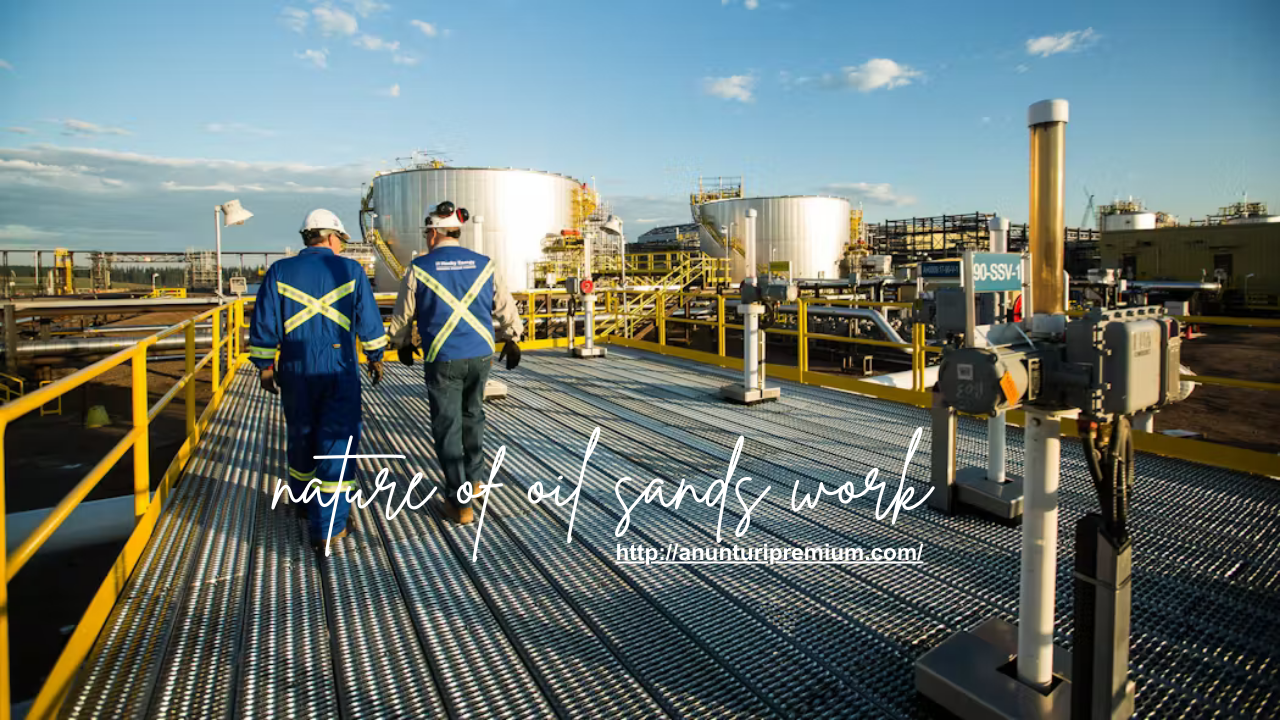
Working in the oil sands means long, grueling hours—typically 12-hour shifts over several consecutive days, often followed by weeks away from home. Many workers live in remote camps far from urban centers, surrounded by industrial infrastructure and wilderness. While the pay is high and the jobs plentiful, the physical and emotional toll can be staggering.

Social isolation is one of the most common stressors oil sands workers face. Living far from loved ones for extended periods, often in cramped and impersonal camp accommodations, creates deep feelings of loneliness and detachment. The lack of social interaction and normal routine can exacerbate existing mental health issues, or give rise to new ones.

Stress as a Gateway to Substance Use

The nature of oil sands work is physically exhausting and mentally taxing. Heavy machinery, high-pressure systems, and safety-critical operations leave little room for error. The constant pressure to perform—combined with fears of layoffs during downturns—creates a culture of stress and anxiety that is difficult to escape.

To cope, many workers turn to alcohol and drugs. Stimulants like cocaine or methamphetamines are used to maintain energy during demanding shifts, while opioids or alcohol are taken to relax and disconnect from stress after hours. What may start as casual use to unwind can quickly evolve into dependency, especially without access to proper mental health support.

Addiction Behind the Scenes

Addiction is a growing issue in oil sands communities. In camps where workers spend long periods isolated from their support systems, substance use can spread quietly. Peer influence and a culture of “work hard, play hard” can normalize heavy drinking and recreational drug use.

The impact of addiction extends far beyond the camps. Workers struggling with substance use may experience deteriorating mental health, financial troubles, strained family relationships, and job insecurity. Many fear seeking help due to the stigma surrounding addiction and concerns about losing their livelihoods.

The Need for Support and Change

To combat addiction among oil sands workers, a cultural and structural shift is essential. Employers must take responsibility by offering confidential counseling services, mental health education, and access to addiction treatment. Creating a workplace culture that encourages workers to speak openly about their struggles—without fear of reprisal—is critical to early intervention.

Community organizations and provincial health authorities must also invest in outreach programs, harm reduction services, and better healthcare infrastructure in northern Alberta. Equally important is addressing the stigma that prevents so many workers from reaching out for the support they need.

Conclusion

The oil sands may drive economic growth, but they also demand a high personal cost from the workers who fuel them. Isolation, stress, and addiction are not just individual challenges—they are systemic issues that require collective action. By acknowledging and addressing these realities, we can build a more humane, supportive future for the people behind one of Canada’s most important industries.

Substance Abuse in Alberta’s Oil Patch: A Growing Public Health Concern

Alberta’s oil patch, a powerhouse of economic activity and employment, has long attracted workers from across Canada with the promise of high-paying jobs and financial security. However, alongside the region’s industrial success lies a mounting public health crisis: substance abuse among oil workers and within the communities that support them. As drug and alcohol use escalates, the issue is no longer just a workplace concern—it’s a broader public health emergency that requires immediate attention.

The Roots of the Problem

Substance abuse in the oil patch is deeply connected to the work environment. Many oil sands workers endure grueling schedules, often in isolated camps far from urban centers and family support. These conditions—combined with physical strain, long hours, and social isolation—create a high-risk setting for mental health issues, including depression, anxiety, and burnout.

To cope, some workers turn to drugs and alcohol. Stimulants like cocaine and methamphetamine are used to stay awake and alert during long shifts, while alcohol and opioids help them unwind. What begins as casual or functional use can quickly spiral into addiction, especially when combined with chronic stress or pre-existing mental health issues.

The Impact on Public Health

The consequences of substance abuse extend far beyond the oilfields. Communities like Fort McMurray and Cold Lake are witnessing the effects firsthand: rising overdose rates, increased emergency room visits, and higher demand for mental health and addiction services. Fentanyl and other synthetic opioids have become particularly deadly, contributing to a sharp increase in drug-related deaths in the region.

Substance abuse also places a burden on law enforcement and social services. Crime rates, particularly those related to drug trafficking and domestic violence, often spike in resource-based communities during both economic booms and downturns. The instability of the oil economy—marked by boom-and-bust cycles—further exacerbates the issue, as layoffs and financial stress can intensify substance use and mental health struggles.

Workplace Safety at Risk

Addiction isn’t just a private issue—it directly affects workplace safety and productivity. Impaired workers pose serious risks to themselves and their colleagues in an industry already fraught with physical hazards. Equipment mishandling, delayed reactions, and poor decision-making under the influence can lead to accidents, injuries, and even fatalities.

Employers are increasingly turning to drug testing and safety protocols to mitigate these risks. But without addressing the underlying causes—such as stress, isolation, and lack of access to mental health resources—these measures often treat symptoms rather than the root of the problem.

Toward a Public Health Response

To effectively address substance abuse in Alberta’s oil patch, a comprehensive public health strategy is needed. This includes expanding access to mental health services, offering addiction treatment and harm reduction programs, and improving education around substance use. Employers must also play a role by fostering supportive workplace cultures that prioritize health and well-being over productivity at all costs.

Community organizations, health authorities, and provincial governments must work together to provide resources, reduce stigma, and ensure that help is available when and where it’s needed. The health of Alberta’s workforce—and the stability of its communities—depends on it.

Conclusion

Substance abuse in Alberta’s oil patch is not just a workplace issue—it’s a growing public health crisis. Tackling it requires empathy, investment, and collaboration across sectors to ensure a safer, healthier future for all those who call this resource-rich region home.

From Camps to Crisis: The Mental Health and Addiction Epidemic in the Oil Sands

The oil sands of Northern Alberta are often associated with opportunity, prosperity, and hard work. But behind the success stories lies a growing crisis that many prefer not to see. For thousands of workers living in isolated camps and small boomtowns, the pressure, loneliness, and mental strain of oil sands life have sparked an epidemic of mental health struggles and addiction. What begins in the camps often spirals into full-blown personal crises, with devastating effects on individuals, families, and communities.

Life Inside the Camps

Life for oil sands workers is tough. Many spend weeks at a time living in temporary camps located in remote areas, surrounded by little more than boreal forest and industrial equipment. Workers often share small rooms or trailers, far away from loved ones and the support systems they might normally rely on. Entertainment is limited, and downtime can quickly turn into boredom or depression.

Long, grueling shifts—typically 12 hours or more—leave workers physically and mentally drained. The expectation to perform in dangerous, high-pressure environments adds another layer of stress. Over time, the constant fatigue, isolation, and lack of social interaction wear away at workers’ mental health, setting the stage for substance abuse as a coping mechanism.

The Mental Health Toll

Rates of anxiety, depression, and suicidal thoughts are alarmingly high among oil sands workers. Many suffer in silence, fearing that admitting to mental health struggles could cost them their job. A culture of toughness and self-reliance discourages open discussions about mental well-being, creating an environment where psychological struggles are hidden and untreated.

Without proper support, many workers turn to drugs and alcohol to manage their symptoms. Stimulants like cocaine and methamphetamines help them stay awake and energetic through long shifts, while opioids and alcohol offer temporary relief from physical pain and emotional exhaustion. Unfortunately, these substances only deepen the underlying problems, leading to addiction, further mental health decline, and in some cases, tragedy.

Addiction: A Growing Crisis

Substance abuse in the oil sands is more than an individual problem—it’s a community-wide crisis. Increased rates of addiction have led to more workplace accidents, lower productivity, and higher rates of absenteeism. Beyond the camps, the impact is even more severe: rising crime rates, homelessness, family breakdowns, and an alarming increase in overdose deaths, particularly involving opioids like fentanyl.

Fort McMurray and other oil towns have seen their health care systems strained by the demand for mental health and addiction services. Unfortunately, access to treatment remains limited, especially for those living in isolated areas. Long wait times and the stigma surrounding addiction prevent many workers from getting the help they desperately need.

A Path Forward

Addressing the mental health and addiction epidemic in the oil sands requires systemic change. Employers must prioritize mental health by offering on-site counseling services, peer support programs, and confidential access to addiction treatment. Creating a workplace culture that encourages openness about mental health struggles without fear of judgment or reprisal is critical.

Governments and health authorities must also step up, expanding treatment options in Northern Alberta and investing in harm reduction strategies to prevent overdose deaths.

Conclusion

The journey from camp life to crisis is becoming all too common in Alberta’s oil sands. Recognizing the mental health and addiction struggles faced by workers is the first step toward real change. With collective action, it is possible to build a healthier, more supportive environment for the people who drive one of Canada’s most important industries.

Work Hard, Party Harder: Addiction in Alberta’s Remote Oil Towns

Alberta’s remote oil towns have earned a reputation for being places of opportunity and hard work—but also for a darker reality that often goes unseen. In communities built around the oil sands industry, addiction is on the rise, fed by long hours, high wages, and a culture that blurs the line between relief and recklessness. “Work hard, party harder” isn’t just a saying here—it’s a lifestyle, and one with serious consequences.

The Demands of the Oil Sands Life

Oil sands workers face a unique and intense lifestyle. Many travel from across the country to work in remote regions like Fort McMurray, taking on shifts that stretch 12 hours or more, often for weeks at a time. They stay in isolated work camps far from home, family, and the comforts of everyday life. The work is physically taxing and mentally draining, with little opportunity for rest or recreation.

For many, the high pay is worth it—oil sands jobs can offer six-figure salaries with overtime and bonuses. But when the work is done, the pressure to unwind and blow off steam is just as intense. In towns where entertainment is limited and social support is scarce, partying becomes the default outlet. Alcohol, cocaine, meth, and opioids are commonly used to cope with stress, boredom, and pain.

A Culture of Excess

The phrase “party harder” takes on real meaning in Alberta’s oil towns. After days or weeks of intense labor, workers often turn to binge drinking and drug use during their off-time. The influx of disposable income creates a sense of invincibility and indulgence—substances are used not just to relax, but to escape.

This culture is reinforced by social norms in the camps and towns, where heavy partying is often seen as a badge of honor or a rite of passage. Peer pressure and a desire to fit in can make it difficult for workers to say no, even when they see the dangers. Over time, what starts as recreational use can spiral into dependency and addiction.

Consequences on the Job and at Home

Substance abuse doesn’t stay contained to weekends or after-hours. Workers who become addicted may begin using on the job, leading to serious safety risks in an already hazardous industry. Impaired decision-making, fatigue, and slowed reflexes can result in injuries, equipment damage, or even fatalities.

Off the job, the damage continues. Many workers return home to strained relationships, financial issues despite high wages, and health problems. Families often bear the emotional burden of addiction, with partners and children suffering the fallout. In some cases, addiction leads to domestic violence, legal trouble, and mental health crises.

Seeking Change

Breaking the cycle of addiction in Alberta’s remote oil towns will take more than drug tests and disciplinary policies. Employers need to invest in mental health support, confidential counseling, and substance abuse recovery programs. More must be done to create healthier work environments and shift the culture away from destructive coping mechanisms.

Local governments and community organizations also have a role to play. Expanding access to addiction treatment, harm reduction services, and education can help build a safer, more resilient workforce.

Conclusion

The “work hard, party harder” mentality may be woven into the fabric of Alberta’s oil towns, but it doesn’t have to define them. By addressing addiction with compassion and action, the region can protect its workers and create a more sustainable path forward—one that values health and balance just as much as hard work and prosperity.

Oil, Money, and Meth: The Rising Tide of Drug Use in Northern Alberta

Northern Alberta has long been synonymous with opportunity, as the oil sands industry continues to draw thousands of workers seeking high wages and financial security. However, this economic prosperity comes at a cost. Alongside the booming oil industry, a growing drug crisis is taking hold, with methamphetamine (meth) use reaching alarming levels. As money flows into the region, so do illicit substances, fueling addiction, crime, and social instability.

The Perfect Conditions for a Drug Epidemic

The oil industry’s demanding work culture plays a significant role in the rise of drug use. Long, exhausting shifts—often stretching 12 hours or more—leave workers physically drained. Many endure weeks of isolation in remote camps with limited recreational opportunities, leading to stress, boredom, and loneliness.

Meth has become a drug of choice in this environment. It provides an intense, long-lasting high that helps users stay awake and alert, making it appealing to workers struggling with fatigue. Unlike other stimulants such as cocaine, meth is cheaper, more potent, and widely available. This affordability, combined with its highly addictive nature, makes it especially dangerous for those who begin using it to cope with the harsh realities of oil sands work.

The Role of Organized Crime and Drug Trafficking

The influx of money into Northern Alberta has attracted more than just oil workers—it has also drawn the attention of drug traffickers. Organized crime groups have capitalized on the high wages and growing demand for drugs, establishing extensive distribution networks throughout the region.

Fort McMurray, the hub of the oil sands, has seen a surge in meth-related arrests and seizures in recent years. Drug dealers target workers with disposable income, pushing highly addictive substances that quickly lead to dependency. The remote nature of work camps makes it difficult to regulate drug flow, allowing underground markets to thrive.

The Impact on Workers and Communities

Meth use has devastating consequences, both for individuals and the broader community. For workers, prolonged meth use leads to severe mental and physical health issues, including paranoia, aggression, memory loss, and organ damage. Addiction often spirals out of control, leading to job loss, financial instability, and strained relationships with family members.

Beyond the oil industry, the rise in drug use has fueled a surge in crime, homelessness, and overdoses. Northern Alberta has seen increasing reports of violent incidents tied to the drug trade, as well as a spike in property crime linked to addiction-driven desperation. Local healthcare facilities are struggling to keep up with the demand for addiction treatment, with many users unable to access the help they need before their addiction takes over.

Finding Solutions to a Growing Crisis

Addressing the meth crisis in Northern Alberta requires a coordinated effort from industry leaders, law enforcement, and government agencies. Employers must take a proactive role by offering addiction support programs and mental health resources for workers. Stricter regulations on workplace drug use, combined with harm reduction initiatives, can help mitigate the spread of meth addiction.

Additionally, the government must invest in expanded treatment facilities, ensuring that those struggling with addiction have access to rehabilitation and support services. Community outreach programs and education initiatives are also crucial in preventing future substance abuse.

Conclusion

The intersection of oil, money, and meth is creating a crisis that Northern Alberta can no longer ignore. As the drug problem intensifies, so too do its consequences for workers, families, and communities. Addressing the rising tide of drug use will require a shift in both policy and perspective—recognizing that addiction is not just a personal failing, but a systemic issue that demands urgent action.