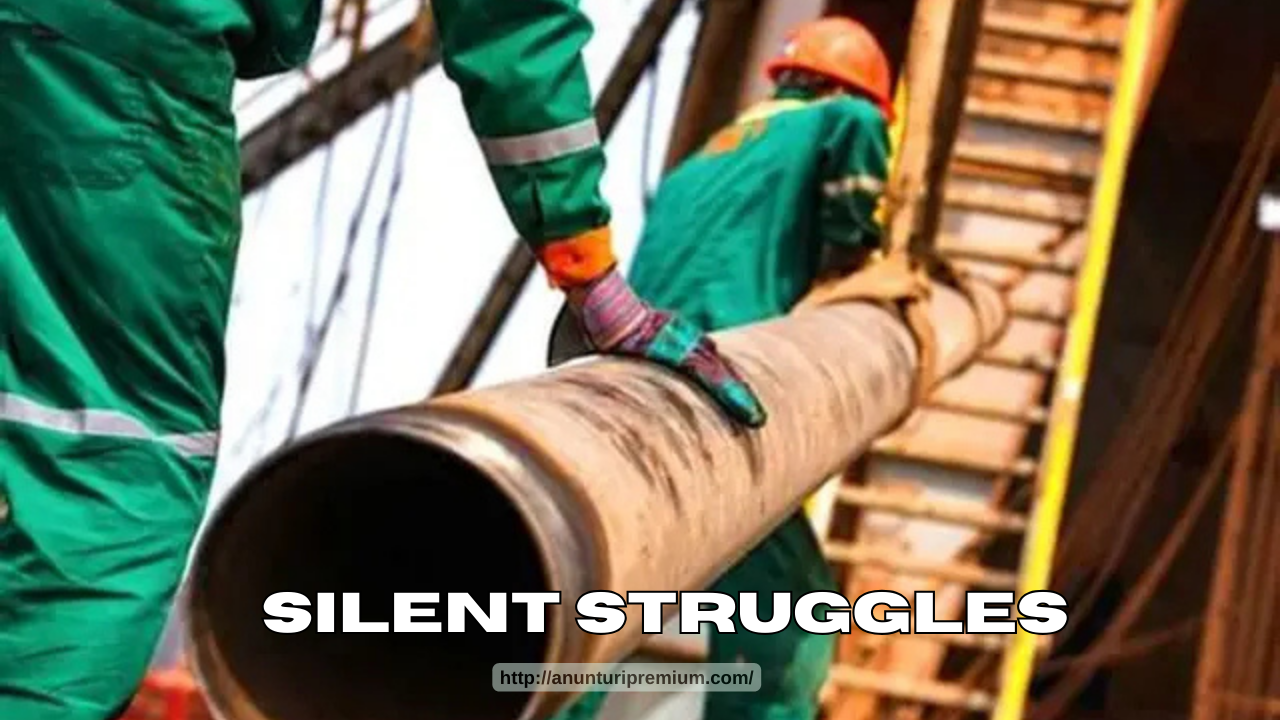
Silent Struggles: Why Oil Sands Workers Turn to Drugs and Alcohol

The oil sands of Alberta are often portrayed as a land of opportunity, where hard work leads to financial stability and prosperity. Yet behind the promise of high wages and steady employment lies a hidden reality. Many workers in the oil sands silently battle overwhelming stress, loneliness, and exhaustion. For some, the pressure becomes unbearable, leading them to turn to drugs or alcohol as a way to cope. This growing issue highlights not just a workplace concern but a pressing public health crisis that demands compassionate solutions.

The Hidden Burden of Isolation

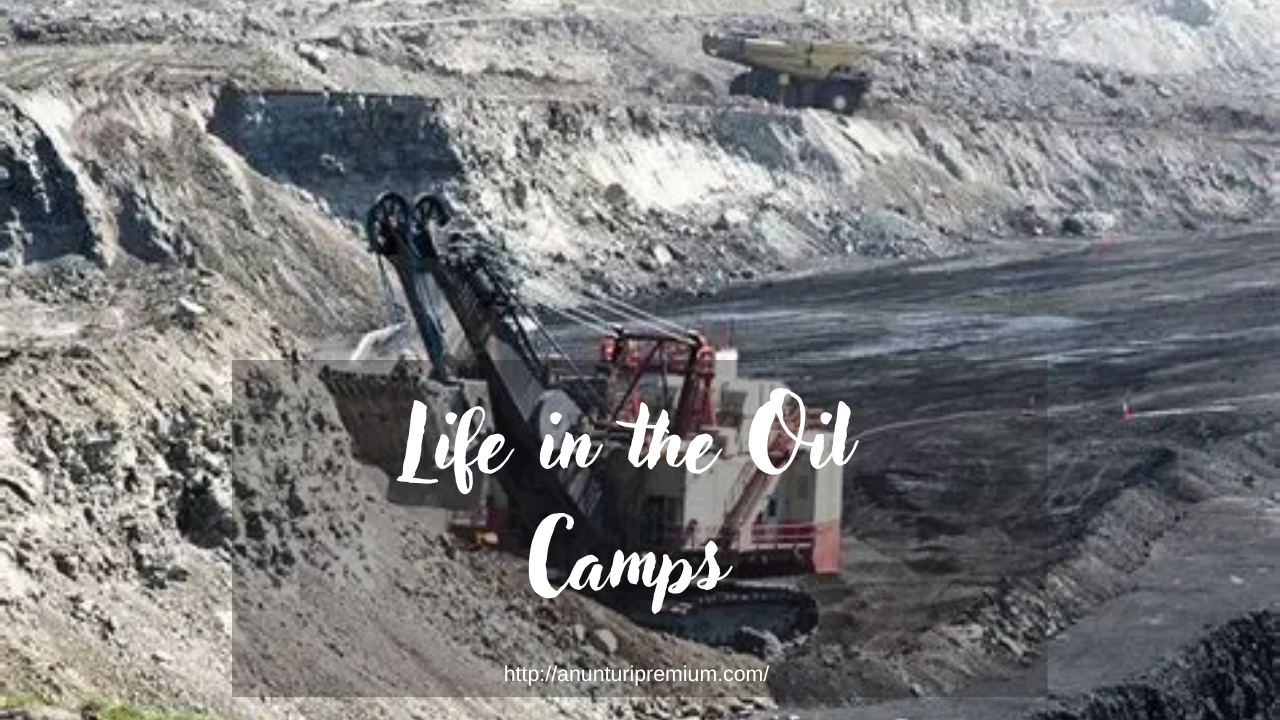
Life in the oil sands often means weeks spent in remote camps, far removed from family, friends, and community. The rotational schedules, typically long stretches of work followed by brief periods of rest, can make it difficult for workers to maintain meaningful relationships or establish balance in their personal lives.

Isolation creates fertile ground for emotional strain. Without strong social support, workers may experience loneliness, depression, and anxiety. In these conditions, drugs and alcohol can feel like an immediate, although destructive, escape from the emptiness of camp life.

Stress and Fatigue: Fuel for Substance Use

The oil sands industry is physically and mentally demanding. Workers endure long hours of labor-intensive tasks, often in harsh climates where safety risks are high. The constant fatigue and pressure to perform at peak levels can lead individuals to seek quick relief.

Substances like alcohol or stimulants become tempting outlets. Alcohol may provide a way to unwind after an exhausting shift, while stimulants can mask fatigue during long hours. However, these short-term solutions quickly spiral into dependency, leaving workers caught in a cycle that threatens both their health and livelihood.

The Stigma of Seeking Help

One of the greatest barriers to addressing addiction in the oil sands is stigma. Many workers fear being judged, misunderstood, or even losing their jobs if they admit to struggling with substance use. This silence allows addiction to take root, often progressing to dangerous levels before help is sought.

Breaking this stigma is essential. Conversations about mental health and addiction must be normalized in the workplace and beyond. When workers know they are not alone and that support is available, they are more likely to seek help early.

Pathways to Healing and Recovery

At Anunturi Premium, the approach to recovery is built on compassion and individualized care. Every person’s struggle is unique, which is why treatment is tailored to address both the physical and emotional aspects of addiction. Services include:

  • Inpatient care for those who need structured, intensive support.
  • Outpatient programs that allow individuals to continue working while receiving treatment.
  • Holistic therapies that nurture body, mind, and spirit through practices like mindfulness, nutrition, and fitness.
  • Faith-based care for those seeking deeper spiritual healing.

This comprehensive model not only helps workers overcome substance use but also equips them with healthy coping strategies for stress, isolation, and fatigue.

Choosing a Better Path

The struggles faced by oil sands workers are real and deeply human. Turning to drugs or alcohol may feel like the only option in the moment, but lasting recovery is possible. With the right support, workers can reclaim their health, rebuild their relationships, and find new ways to manage the pressures of life in the oil sands.

If you or someone you love is struggling in silence, now is the time to take the first step. Reach out to Anunturi Premium for compassionate, personalized care and begin the journey toward healing and hope.
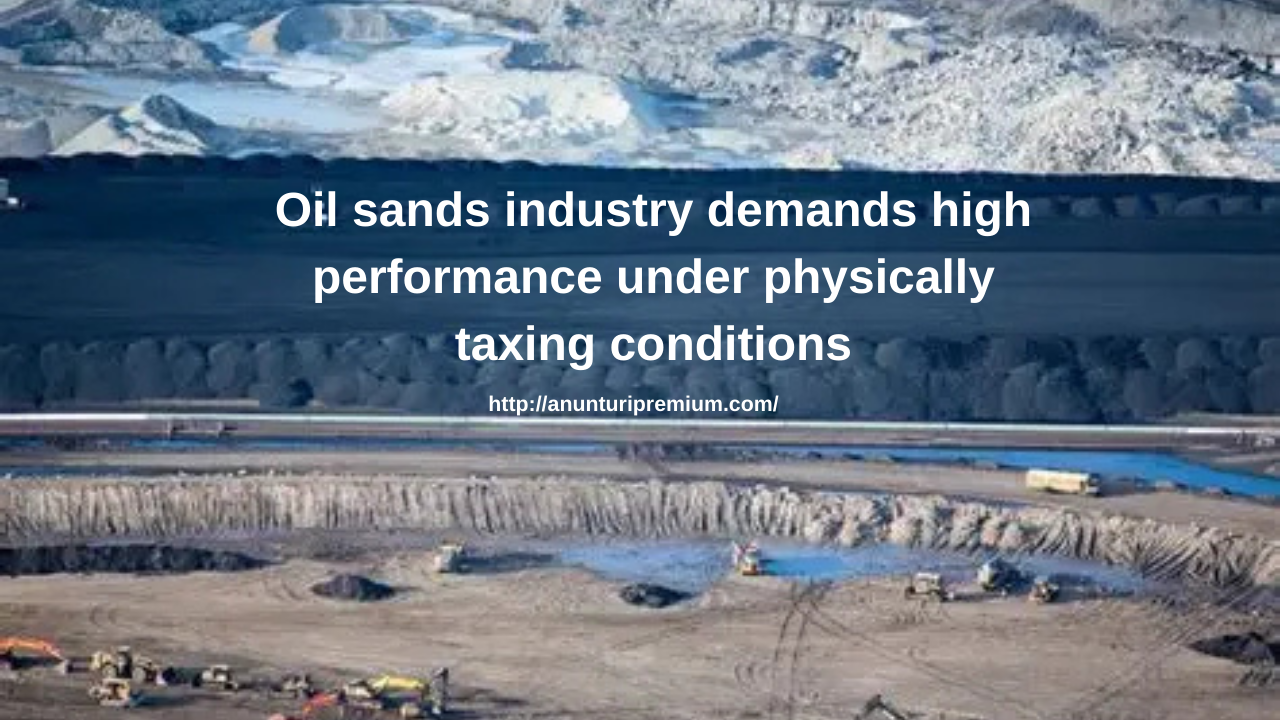
The Human Toll of the Oil Sands: Addiction, Anxiety, and the Price of Prosperity

Alberta’s oil sands are often celebrated for their economic contributions and high-paying employment opportunities. Yet beneath the surface of this industrial success lies a hidden human cost. Workers in the oil sands face long hours, physically demanding labor, and extended periods away from family and community. Over time, these pressures can lead to heightened anxiety, depression, and substance abuse. Understanding the human toll of oil sands work is essential for creating pathways to recovery and mental wellness.

Isolation and Its Impact on Mental Health

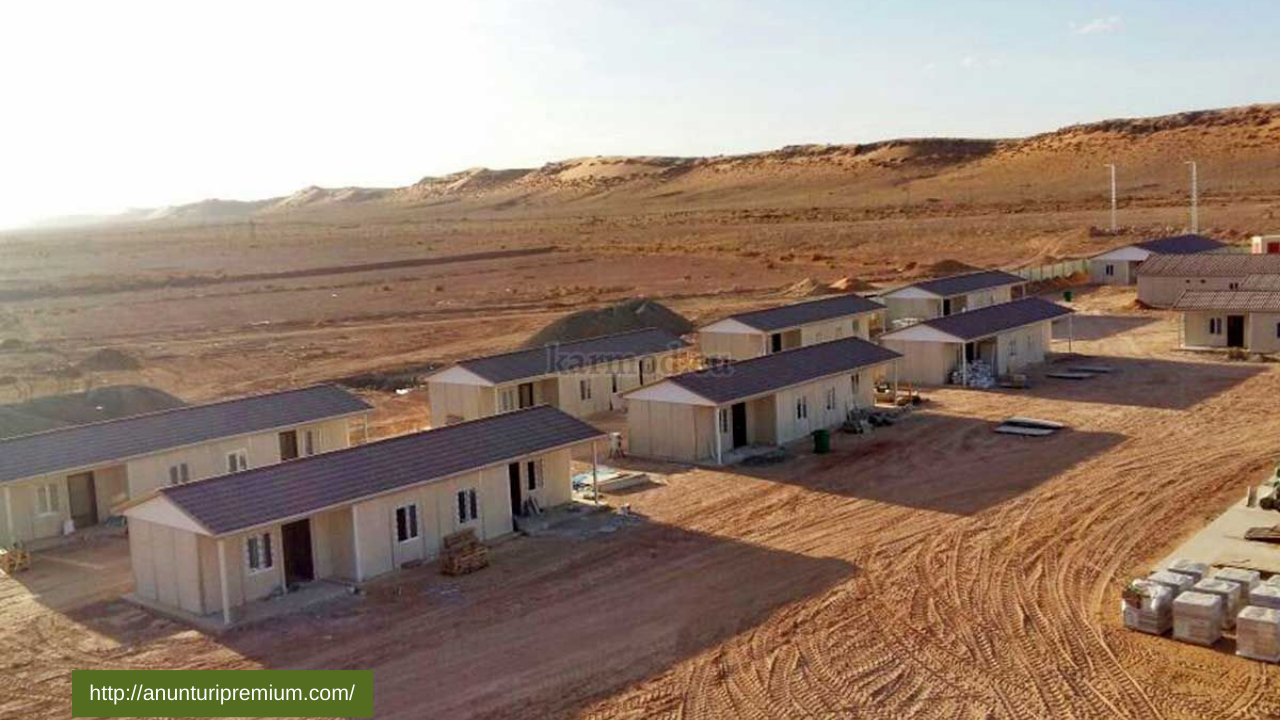
Many oil sands workers live in remote camps, where access to social interaction, recreational activities, and emotional support is limited. Rotational schedules, often consisting of two weeks on-site followed by one week off, can intensify feelings of isolation. Living in confined spaces with little opportunity for downtime can exacerbate stress and lead to mental health challenges.

In these conditions, anxiety and depression are common. Workers may feel emotionally disconnected from their lives outside the camp, and the lack of accessible mental health resources only compounds the problem. Without timely intervention, these struggles often lead to self-medication through alcohol or other substances.

The Connection Between Stress and Addiction

The oil sands industry demands high performance under physically taxing conditions. Fatigue, long shifts, and the responsibility of operating heavy machinery can overwhelm even the most resilient workers. In the absence of healthy coping strategies, substances may seem like a viable way to manage stress.

Stimulants are sometimes used to maintain focus during long hours, while alcohol or opioids may offer temporary relief after exhausting shifts. Unfortunately, these coping mechanisms can quickly evolve into dependency. Addiction not only affects the individual’s health but also impacts workplace safety, relationships, and overall quality of life.

Holistic and Individualized Approaches to Recovery

Addressing addiction and mental health challenges in the oil sands requires comprehensive, compassionate care. At Anunturi Premium, treatment is centered on the individual. Programs are designed to address both the physical and emotional aspects of addiction, integrating medical care, counseling, mindfulness practices, nutrition, and fitness. For those seeking spiritual guidance, faith-based approaches are available to support deeper healing.

Inpatient programs provide a structured, safe environment for those requiring intensive support, while outpatient programs offer flexibility for workers who wish to maintain employment or family connections. Every recovery plan is tailored to the unique needs, circumstances, and goals of the individual, ensuring a personalized approach to long-term wellness.

Supporting Mental Health in Remote Work Environments

Employers and communities can play a significant role in mitigating the risks of addiction. Providing access to confidential mental health services, peer support programs, and educational resources can help workers identify challenges early and seek assistance before issues escalate. Reducing stigma around mental health and addiction is equally important, encouraging workers to take proactive steps toward their well-being.

Taking the Next Step

The human cost of Alberta’s oil sands cannot be overlooked. Addiction and anxiety are real challenges for workers, families, and communities. The good news is that recovery is possible, and support is available. At Anunturi Premium, we offer compassionate, professional, and holistic care designed to help individuals reclaim their lives and restore balance.

If you or a loved one are struggling with mental health challenges or substance use related to oil sands work, reaching out for help is the first step toward lasting recovery. Take action today and begin the journey toward hope, healing, and renewed purpose.

Breaking Point: How Isolation Drives Substance Abuse in Remote Oil Camps

The oil sands of Alberta promise steady employment and competitive wages, but for many workers, the cost goes far beyond the paycheck. Life in remote oil camps is marked by long hours, physical strain, and above all, isolation. Separated from family, friends, and community, many workers find themselves battling loneliness and stress that slowly erode their mental health. For some, the pressure reaches a breaking point, and substances like alcohol, opioids, or stimulants become a dangerous escape.

The Reality of Remote Oil Camps

Oil sands workers often live in camps far from home for weeks at a time. With shifts that stretch to 12 hours or more, there is little opportunity for meaningful rest or recreation. Camp life, while functional, can feel confining and monotonous. Over time, the lack of social connection and emotional support contributes to feelings of emptiness, fatigue, and depression.

For many workers, the cycle of work, eat, and sleep becomes a lonely routine. Without healthy coping mechanisms, isolation becomes one of the most significant risk factors for substance abuse in these environments.

Stress and the Temptation of Substances

The work itself adds another layer of strain. Operating heavy equipment, working in extreme weather, and meeting demanding production targets create constant pressure. For workers already struggling with fatigue and loneliness, substances can appear to offer relief.

Stimulants are sometimes used to push through long shifts, while alcohol or depressants may be turned to as a way to unwind at the end of the day. What begins as an occasional coping strategy can quickly spiral into dependency, trapping workers in a cycle that affects their health, safety, and family relationships.

The Overlooked Mental Health Crisis

Substance abuse in oil camps is closely tied to mental health challenges. Depression, anxiety, and burnout are widespread but often go unaddressed due to stigma. In male-dominated, high-pressure industries, admitting to emotional struggles is often seen as weakness. This silence allows addiction to take root and grow unchecked.

The consequences extend beyond the individual. Substance use increases the risk of workplace accidents, impacts productivity, and creates ripple effects in families and communities. For oil sands workers, untreated mental health struggles can lead to serious long-term consequences if professional support is not sought.

Pathways to Healing

Breaking the cycle of isolation and addiction begins with compassionate, individualized care. At Anunturi Premium, we believe in addressing the whole person, not just the symptoms of substance use. Our recovery programs combine evidence-based treatments with holistic practices such as counseling, nutrition, fitness, mindfulness, and faith-based support for those who seek spiritual guidance.

Inpatient programs provide a safe, structured space for deep healing, while outpatient care offers flexibility for those who need to balance recovery with ongoing work or family responsibilities. Every treatment plan is tailored to the individual, recognizing that no two recovery journeys are the same.

Taking the First Step Toward Recovery

For oil sands workers facing the weight of isolation, stress, and substance use, reaching the breaking point does not have to mean the end of the story. Recovery is possible with the right support, and a healthier, more balanced life can be achieved.

If you or someone you care about is struggling with addiction in a remote oil camp, help is within reach. At Anunturi Premium, our compassionate team is here to walk with you through every step of the recovery journey. Take the first step today and discover that healing, hope, and renewal are possible.

From Fatigue to Dependency: The High Cost of Oil Sands Labor

Alberta’s oil sands industry is often celebrated for its high-paying jobs and economic impact. However, behind the impressive paychecks lies a hidden cost that many workers face: the physical, mental, and emotional toll of oil sands labor. Long shifts, demanding work, and isolation create an environment where fatigue can easily turn into dependency, and where mental health struggles often go unnoticed. Understanding these risks is essential for workers, families, and communities seeking recovery and support.

The Demanding Nature of Oil Sands Work

Oil sands jobs are physically exhausting. Employees often work 12-hour shifts for weeks at a time, performing labor-intensive tasks in remote locations. Living in isolated camps, separated from family and community, adds emotional strain to the physical demands. Workers frequently face harsh weather conditions, heavy machinery, and safety-sensitive environments, leaving little room for rest or personal care.

This combination of physical and emotional stressors creates a high-pressure environment that can push even the most resilient workers to their limits. Over time, fatigue accumulates, leaving workers vulnerable to mental health challenges and unhealthy coping mechanisms.

How Fatigue Leads to Substance Use

For many workers, the pressures of oil sands life create a desire to find relief. Stimulants like cocaine or methamphetamine may be used to stay alert during long shifts, while alcohol, opioids, or other depressants provide temporary escape from physical pain and emotional exhaustion.

While these substances may initially seem helpful, they often exacerbate the underlying problem. What begins as a tool to manage fatigue and stress can quickly evolve into dependency, further impacting mental health and overall well-being.

Mental Health Implications

Addiction and fatigue are closely linked to mental health struggles. Depression, anxiety, and feelings of isolation are common among oil sands workers. The stigma surrounding mental health in male-dominated, high-pressure industries often prevents individuals from seeking help, leaving them to cope alone.

Untreated mental health issues combined with substance use create a cycle that is difficult to break without professional support. Recognizing the early signs of stress and seeking intervention is crucial to prevent long-term dependency and its consequences.

Holistic and Individualized Recovery Approaches

Recovery requires a comprehensive, personalized approach. At Anunturi Premium, we provide both inpatient and outpatient programs designed to address the unique needs of oil sands workers. Holistic treatments, including therapy, medical support, nutrition, mindfulness, and faith-based guidance, ensure that recovery addresses the whole person, not just the addiction.

Inpatient programs offer a structured, safe environment for those needing intensive support, while outpatient programs allow workers to maintain family and work connections while engaging in treatment. Individualized care plans ensure that each person receives treatment tailored to their circumstances, goals, and strengths.

Taking the First Step

The high cost of oil sands labor is not just financial. Fatigue, stress, and addiction have real consequences for workers, families, and communities. The good news is that help is available, and recovery is possible.

If you or a loved one are struggling with addiction or mental health challenges related to oil sands work, taking action today can change the trajectory of your life. At Anunturi Premium, we offer compassionate, professional, and personalized care to guide you toward lasting recovery. Reclaim your health, rebuild your life, and take the first step toward a brighter future today.

Lonely Shifts, Dangerous Escapes: Addiction in Alberta’s Oil Workforce

The oil sands of Alberta are often seen as a land of opportunity, where workers from across Canada seek stable jobs and high wages. Yet behind the promise of financial security lies a hidden struggle. Many oil sands workers face long, lonely shifts in remote camps, cut off from family and support systems. In this environment, stress and isolation can become overwhelming, leading some to turn to substances as a dangerous escape. Addiction in Alberta’s oil workforce is a growing concern that demands compassion, understanding, and access to meaningful recovery options.

The Isolated Life of Oil Sands Camps

Oil sands jobs are physically demanding, with shifts that often last 12 hours or more for weeks at a time. Workers live in camps located in isolated regions, where social interaction and recreational opportunities are limited. Over time, this isolation can create feelings of loneliness, anxiety, and disconnection from normal life.

Without regular contact with loved ones, many workers begin to feel emotionally detached, which makes the pressures of the job even harder to manage. In these conditions, substances can appear to offer temporary relief, even though they often make the underlying issues worse.

Stress, Fatigue, and Risky Coping Mechanisms

The oil industry is high stakes. Mistakes can lead to injury, financial loss, or even loss of life. Workers carry a constant sense of responsibility, while also managing long hours, fatigue, and harsh environmental conditions. When these stressors combine, many workers seek unhealthy coping mechanisms.

Alcohol, opioids, methamphetamine, and cocaine are commonly reported substances in oil camps. Stimulants may be used to push through exhaustion, while depressants are turned to as a way to unwind after grueling shifts. While these escapes may provide short-term relief, they often spiral into dependency, fueling a cycle of addiction that affects not only the worker but also their family and community.

The Hidden Mental Health Crisis

Addiction in the oil sands cannot be separated from mental health. Many workers experience depression, anxiety, and even symptoms of trauma due to the stressful and isolating nature of the job. Unfortunately, stigma still surrounds mental health challenges in these environments, making workers hesitant to speak up or seek help.

Without intervention, untreated mental health struggles often lead to substance abuse, creating a cycle that feels impossible to escape. Breaking that cycle requires accessible, holistic support that addresses both the addiction and the emotional pain driving it.

Pathways to Healing and Recovery

Recovery begins with compassionate, individualized care. For some workers, inpatient treatment provides a safe and structured environment to step away from the pressures of camp life. For others, outpatient care allows them to continue working while receiving professional support.

Holistic approaches to recovery consider the whole person, not just the addiction. This includes medical treatment, counseling, nutrition, fitness, mindfulness practices, and faith-based programs for those who value spiritual healing. By treating both the body and the mind, individuals can build healthier coping skills and begin to reconnect with a sense of purpose.

Taking the First Step

Addiction in Alberta’s oil workforce is not just a personal struggle. It is a public health issue that affects families, communities, and the stability of the industry itself. The good news is that recovery is possible, and help is available.

At Anunturi Premium, we understand the unique challenges faced by oil sands workers. Our addiction recovery and mental health programs are designed to meet each individual where they are, offering compassionate, personalized care that leads to lasting change. Whether through inpatient treatment, outpatient programs, or holistic healing strategies, our goal is to help people reclaim their lives and break free from the cycle of addiction.

If you or someone you love is struggling with addiction in the oil sands, know that you do not have to face it alone. Reach out today and take the first step toward healing, hope, and a brighter future.

Life in the Oil Camps: The Hidden Mental Health Crisis of Canada’s Oil Sands

The oil sands of Canada have long been a source of economic opportunity, drawing workers from across the country with the promise of high wages and steady employment. Yet behind the steady hum of machinery and the promise of prosperity lies a reality that many never see. Life in the remote oil camps is often marked by isolation, stress, and an alarming rise in mental health and addiction struggles. For those working in these challenging conditions, the emotional toll can be just as heavy as the physical demands.

The Isolated Reality of Oil Sands Workers

Many oil sands employees work in camps far from home, with shifts that last for weeks before they can return to their families. These camps are often located in remote areas with limited access to recreational activities, social outlets, or mental health support. The long hours and physically demanding labor leave workers with little energy for healthy coping strategies. As the days turn into weeks, loneliness and disconnection begin to set in.

In this environment, feelings of anxiety and depression are common. Workers may experience a sense of emotional numbness or detachment from their normal lives. Without access to adequate mental health resources, these issues can escalate quickly, leading some to turn to alcohol or drugs as a way to cope.

How Stress and Addiction Intersect

The oil industry is high-pressure by nature. Safety-sensitive roles mean that mistakes can have serious consequences, adding another layer of stress. Many workers feel the need to perform at their peak despite fatigue and emotional strain. Unfortunately, this combination of exhaustion, stress, and isolation creates a fertile ground for substance abuse.

Stimulants may be used to maintain alertness during long shifts, while alcohol or depressants are often turned to as a form of relaxation once the workday ends. Over time, these coping methods can develop into dependency, further impacting mental health and job performance.

The Need for Holistic and Individualized Care

Addressing mental health and addiction in the oil sands requires more than just a quick fix. Effective recovery support must consider the whole person, including their emotional, physical, and spiritual needs. Holistic treatment approaches can include therapy, medical support, fitness and nutrition guidance, mindfulness practices, and faith-based programs for those who value spiritual healing.

Inpatient treatment can be especially helpful for workers who need a safe space to step away from the pressures of camp life, while outpatient care provides flexibility for those balancing work schedules with recovery. An individualized care plan ensures that treatment is tailored to each person’s unique circumstances and goals.

Building a Culture of Support

Employers and communities have a role to play in breaking the stigma around mental health and addiction. Providing access to counseling, peer support groups, and mental health education in the camps can help workers seek help before their struggles escalate. Encouraging open conversations about these challenges can also make a significant difference.

Taking the First Step Toward Healing

If you or someone you know is struggling with addiction or mental health challenges in the oil sands, it is important to reach out for help. Compassionate, professional support is available, and recovery is possible. At Anunturi Premium, we offer personalized addiction recovery and mental health treatment programs that honor the individual while addressing the root causes of their struggles. Whether through inpatient or outpatient care, our holistic, faith-based approach is designed to help you heal and reclaim your life.

Your mental health matters as much as your work. Take the first step today and discover that a healthier, more balanced life is within reach.

Trapped in the Cycle: Mental Health and Addiction Among Oil Sands Workers

Alberta’s oil sands are a symbol of economic prosperity, drawing thousands of workers from across Canada with the promise of high wages and steady employment. But beneath the surface of success lies a mounting crisis. For many oil sands workers, the harsh reality of isolation, long hours, and emotional stress has created a vicious cycle of mental health challenges and addiction. Trapped between demanding work conditions and limited access to support, workers are increasingly struggling in silence.

The Pressure-Cooker Environment

Life in the oil sands is physically and mentally demanding. Workers often endure 12-hour shifts for several consecutive days, living in remote camps far removed from family, community, and support networks. The isolation of these camps—combined with the repetitive nature of the work and harsh environmental conditions—creates an atmosphere where mental health can quickly deteriorate.

Workers are under constant pressure to perform in safety-sensitive environments where mistakes can be deadly. This ongoing stress, compounded by job insecurity during economic downturns, takes a heavy toll. For many, symptoms of anxiety, depression, and burnout become part of everyday life.

Turning to Substances for Relief

In the absence of meaningful mental health resources, many workers turn to substances as a way to cope. Alcohol, opioids, methamphetamine, and cocaine are commonly used, often starting recreationally but evolving into dependency. Stimulants help workers stay awake and push through exhaustion, while depressants provide temporary relief from stress and emotional pain.

The use of substances may seem like a personal choice, but it is often a symptom of deeper systemic problems. Without healthy outlets for stress and without accessible support, many workers see no other option. Over time, addiction becomes another part of the cycle—masking deeper mental health struggles but never solving them.

The Consequences Are Widespread

The impact of mental health issues and addiction among oil sands workers extends far beyond the job site. Workplace accidents, absenteeism, and declining productivity affect the entire industry. Meanwhile, workers’ families suffer emotionally and financially, as addiction and mental illness strain relationships and destabilize home life.

Communities surrounding the oil sands, such as Fort McMurray, have seen the social effects as well—rising rates of addiction, overdose, crime, and homelessness. Emergency services and healthcare providers in these regions are often stretched thin, struggling to meet the growing demand for mental health and addiction support.

Breaking the Cycle

To break this dangerous cycle, action must be taken at every level. Employers must recognize mental health as a workplace priority, offering resources such as on-site counseling, peer support programs, and training to identify early signs of distress. Shifting the workplace culture to one that encourages openness rather than silence is critical.

Governments and health authorities must also increase investment in mental health and addiction services in northern and remote regions. Expanded treatment access, telehealth options, and community outreach are essential to supporting workers who need help but face geographical and logistical barriers.

Conclusion

Oil sands workers power a significant part of Canada’s economy, but too many are trapped in a cycle of stress, isolation, and addiction. It’s time to break that cycle—not just with policy changes and programs, but with compassion and commitment to worker well-being. Only then can we create a truly sustainable industry—one where both productivity and people thrive.

Behind the Paycheck: How Isolation and Stress Fuel Addiction in the Oil Sands

Alberta’s oil sands have long been associated with economic opportunity and high-paying jobs. For thousands of workers, employment in the oil sands promises financial security, with salaries often exceeding six figures. However, behind the lucrative paychecks lies a harsh reality: long hours, physical exhaustion, and deep isolation. These conditions have contributed to a growing mental health and addiction crisis that quietly grips many in the industry.

The Isolated Life of Oil Sands Workers

Oil sands work is not your typical nine-to-five job. Workers often spend weeks at a time living in remote camps, far from family, friends, and the comforts of home. These camps are typically located hundreds of kilometers from the nearest city, surrounded by wilderness and industrial equipment. While some camps offer basic recreational amenities, many workers describe life there as monotonous, lonely, and mentally draining.

The rotational schedules—commonly 14 days on, 7 days off—create further distance from normal life. Workers are away during birthdays, anniversaries, and family events. Over time, this separation from loved ones and everyday social interaction fosters feelings of isolation and detachment, which can lead to depression and anxiety.

Stress and Substance Abuse: A Dangerous Mix

The oil sands industry is physically demanding and mentally taxing. Employees operate heavy machinery, work in extreme weather conditions, and face the constant pressure of meeting production quotas. Fatigue, stress, and the fear of layoffs during economic downturns add layers of emotional strain.

For many workers, substances become a way to cope with these challenges. Stimulants like cocaine and methamphetamine are used to stay alert during long shifts, while alcohol, cannabis, and opioids help workers unwind after work. What starts as recreational use can quickly spiral into addiction, especially when combined with chronic stress and limited access to mental health support.

The Hidden Costs of Addiction

Addiction in the oil sands affects more than just the individual worker. Substance abuse can lead to workplace accidents, decreased productivity, and strained relationships both on the job and at home. In safety-sensitive environments, impairment is particularly dangerous, increasing the risk of injuries and fatalities.

Families also bear the emotional and financial burdens of a loved one’s addiction. Marriages suffer, children grow up without consistent parental presence, and home life becomes unstable. Additionally, local communities near oil sands sites have seen increases in crime, homelessness, and overdose deaths related to substance abuse.

Toward a Healthier Industry

Addressing the mental health and addiction crisis in the oil sands requires a cultural shift. Employers must prioritize worker wellness, offering confidential access to counseling, addiction support, and mental health resources. Work camps should provide more recreational and social activities to combat isolation, along with education programs that reduce the stigma surrounding mental health.

Governments and healthcare providers must also play a role by expanding treatment options in Northern Alberta and improving access to telehealth services for workers in remote locations.

Conclusion

The paychecks from the oil sands may be large, but the human costs are often hidden. Isolation, stress, and addiction have created a crisis that cannot be ignored. By recognizing the problem and taking action, Alberta’s oil sands industry can work toward a future where workers thrive—not just financially, but mentally and emotionally as well.

Breaking the Cycle: Addressing Substance Abuse in Alberta’s Resource Economy

Alberta’s resource-based economy—driven largely by oil, gas, and mining—has been a cornerstone of Canadian prosperity for decades. It has created jobs, built communities, and powered national growth. But beneath the surface of this success lies a troubling and persistent issue: substance abuse among workers in the resource sector. For many, the economic cycle of boom and bust is mirrored by a personal cycle of stress, addiction, and relapse. Addressing this crisis is no longer optional—it is essential to the health of both workers and the economy itself.

The Highs and Lows of Resource Work

Resource jobs in Alberta often come with high wages, but they also bring intense physical demands, long hours, and remote work environments. Workers frequently spend weeks away from home, living in camps with limited social interaction and access to support systems. This isolation, combined with job-related stress and fatigue, can create a breeding ground for mental health issues and substance abuse.

During boom periods, when work is plentiful and money is flowing, many workers turn to drugs and alcohol to celebrate, relieve stress, or stay awake through exhausting shifts. When the industry slows down—due to market fluctuations, layoffs, or global crises like COVID-19—the uncertainty and financial strain only worsen the situation, often leading to increased substance use.

A Widespread Crisis

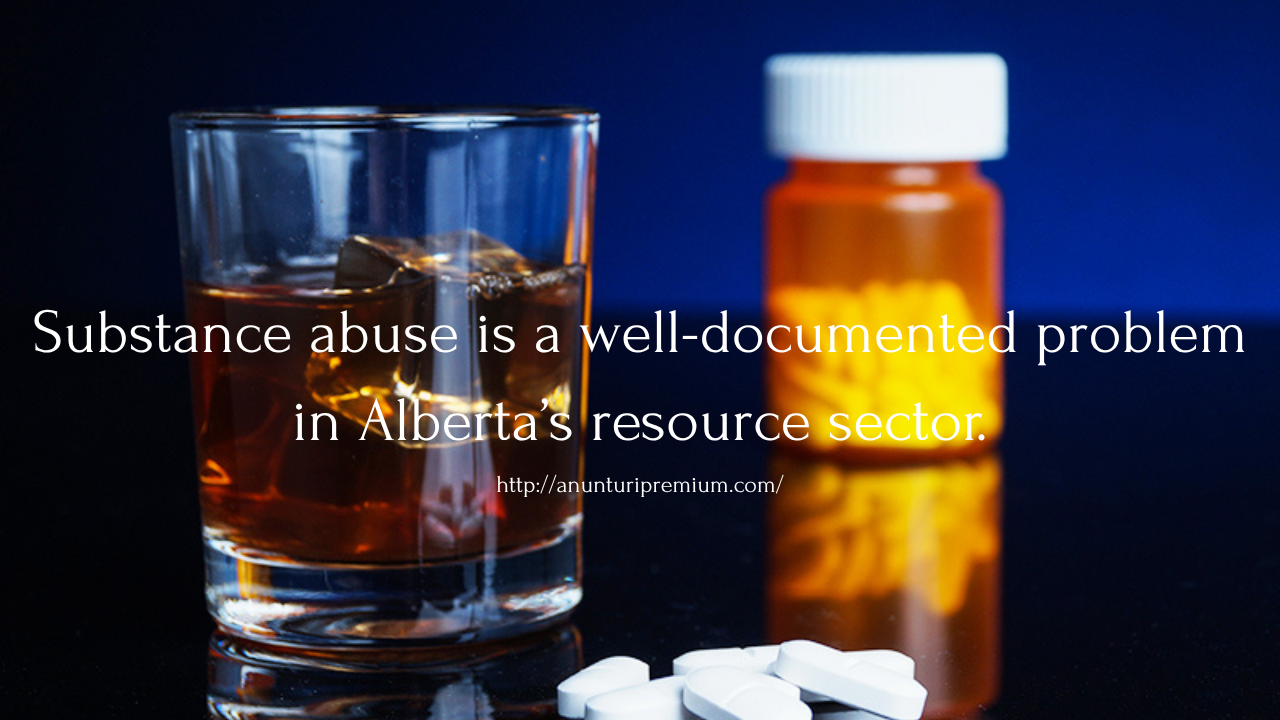
Substance abuse is a well-documented problem in Alberta’s resource sector. Studies and local reports consistently show higher rates of alcohol and drug use among oil and gas workers compared to national averages. Methamphetamine, cocaine, opioids, and alcohol are commonly used—either to enhance performance or to escape the physical and emotional toll of the job.

The consequences are far-reaching. Substance abuse contributes to workplace accidents, absenteeism, declining productivity, and higher turnover rates. It also places enormous pressure on healthcare systems, emergency services, and families. Communities like Fort McMurray, Grande Prairie, and Cold Lake have witnessed spikes in addiction-related incidents, overdoses, and mental health crises.

Breaking the Cycle

Addressing substance abuse in Alberta’s resource economy requires a proactive, multi-layered strategy. First, industry leaders must recognize that addiction is not a personal failing—it is a health issue rooted in working conditions, culture, and access to support. That means implementing mental health initiatives, peer support networks, and confidential addiction treatment programs.

Second, governments must increase funding for addiction services in resource-based regions, ensuring workers can access help when they need it. Mobile outreach units, harm reduction services, and telehealth counseling can help bridge the gap for those in remote or isolated areas.

Finally, breaking the cycle requires a cultural shift. We must challenge the stigma around addiction and mental health in male-dominated, high-pressure industries. Open dialogue, education, and leadership by example can create a safer, healthier environment for workers.

Conclusion

Substance abuse in Alberta’s resource economy is more than an individual struggle—it’s a systemic issue tied to the structure and stress of the industry itself. By investing in support, compassion, and lasting change, we can break the cycle and build a more resilient workforce. The future of Alberta’s economy depends not only on what we extract from the ground, but on how we care for the people who make it possible.

Pipelines to Nowhere: The Struggle for Addiction Recovery in Alberta’s Oil Sands

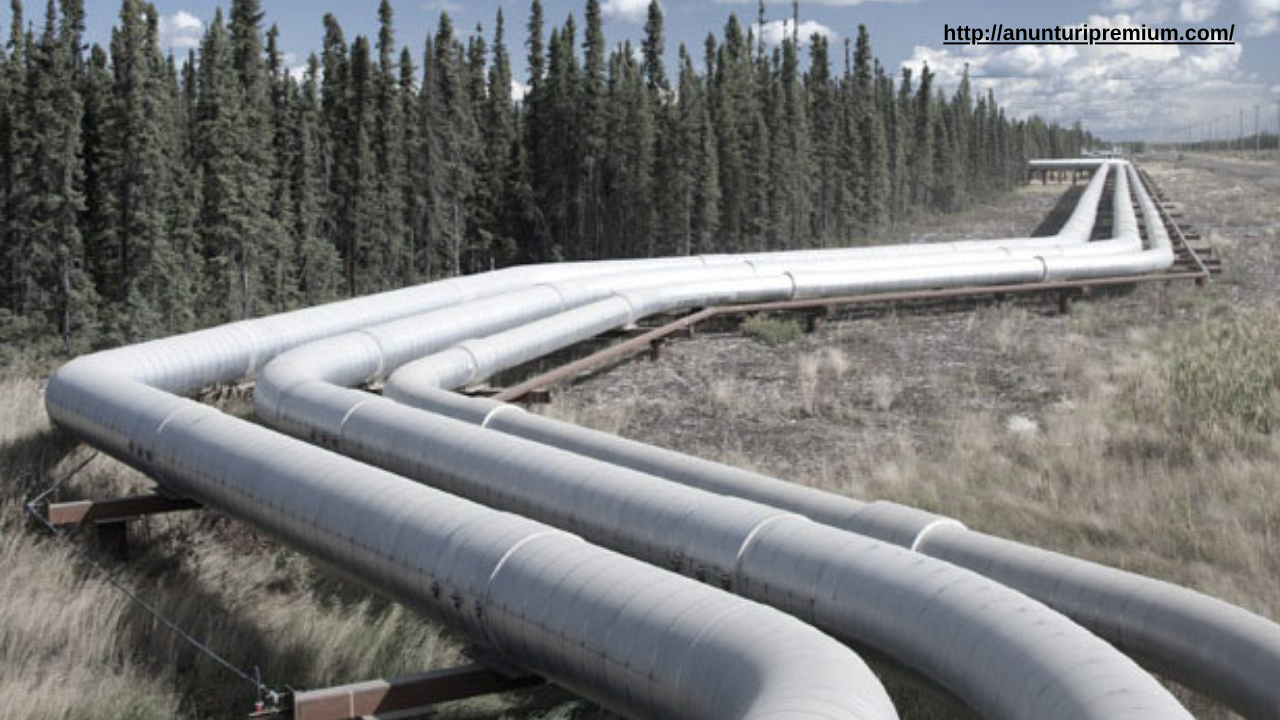
Alberta’s oil sands are often viewed as a land of opportunity—a place where hard work pays off and fortunes can be made. But for many who live and work in the region, the reality is much more complicated. Behind the promise of prosperity lies a difficult and often invisible battle: the struggle for addiction recovery in a region where support is scarce and stigma runs deep. For those trying to reclaim their lives from substance abuse, the road to recovery in the oil sands can feel like a pipeline to nowhere.

A Perfect Storm for Addiction

The conditions surrounding oil sands work are uniquely stressful. Long shifts, high-risk physical labor, isolation from family and friends, and the pressure to perform all contribute to poor mental health. Many workers spend weeks at a time in remote work camps, surrounded by little more than heavy machinery, co-workers, and harsh weather.

In such an environment, it’s not surprising that some turn to substances for relief. Alcohol, opioids, methamphetamine, and cocaine are all readily available in nearby communities—and even in camps. What starts as a way to blow off steam can quickly evolve into dependency. Yet, when someone decides they want help, they often find that recovery services are far out of reach.

Barriers to Recovery

Addiction recovery in Alberta’s oil sands region is not just difficult—it’s often inaccessible. In remote areas like Fort McMurray and Cold Lake, treatment centers are limited and waiting lists can be long. For those working rotational schedules or living in camps, finding the time—and the privacy—to seek help is a major challenge.

Stigma within the industry also plays a powerful role. Admitting to addiction or mental health struggles can be seen as a weakness, potentially putting jobs and reputations at risk. Many workers fear that asking for help could lead to termination or judgment from peers, especially in a male-dominated industry where toughness is prized.

Moreover, the lack of continuity in care poses another issue. Workers who manage to access treatment often return to the same high-stress environments that triggered their substance use in the first place. Without long-term support, relapse becomes a very real risk.

Searching for a Way Forward

Addressing addiction in the oil sands requires more than just emergency response—it requires systemic change. Companies need to move beyond drug testing and disciplinary actions, and begin investing in employee wellness programs that include mental health support, peer counseling, and confidential access to treatment.

Governments and healthcare providers must expand addiction services in Northern Alberta, especially in communities that serve oil sands workers. Mobile clinics, telehealth addiction therapy, and on-site support in camps could make recovery more accessible. Just as importantly, public campaigns are needed to break down stigma and foster compassion for those struggling with addiction.

Conclusion

For too many in Alberta’s oil sands, the journey to recovery feels like a pipeline to nowhere—full of dead ends and closed doors. But with the right investment in support systems and a cultural shift toward empathy and understanding, recovery can become a real, attainable path. The energy sector powers Canada’s economy; it’s time we power the lives of those who keep it running.